
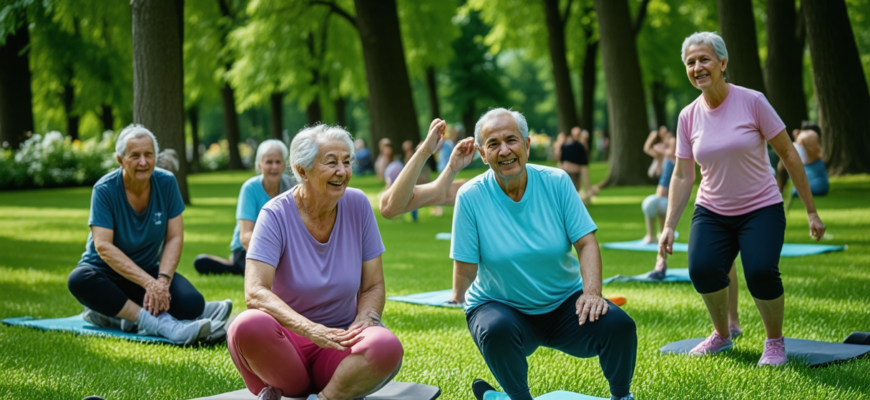
As individuals age, maintaining physical activity becomes increasingly vital for preserving health, independence, and overall well-being. Regular exercise offers a multitude of benefits that can significantly improve the quality of life for seniors, helping them stay active, engaged, and vibrant well into their later years. This comprehensive guide explores the numerous advantages of staying physically active after 60, practical exercise recommendations, safety tips, and motivational strategies to make movement an integral part of daily living.
- Why Is Regular Exercise Important for Seniors?
- The Physical Benefits of Regular Exercise for Seniors
- 1. Improved Cardiovascular Health
- 2. Increased Muscle Strength and Endurance
- 3. Enhanced Bone Density
- 4. Better Balance and Coordination
- 5. Weight Management
- 6. Increased Flexibility and Range of Motion
- The Mental and Emotional Benefits of Exercise for Seniors
- 1. Cognitive Function Enhancement
- 2. Mood Improvement and Stress Reduction
- 3. Better Sleep Quality
- 4. Social Connectivity
- Designing a Safe and Effective Exercise Routine for Seniors
- Factors to Consider
- Sample Weekly Exercise Plan
- Safety Tips for Exercising in Older Age
- Overcoming Common Barriers to Exercise for Seniors
- 1. Lack of Motivation
- 2. Health Issues or Physical Limitations
- 3. Fear of Injury
- Success Stories and Inspirations
- Embracing Movement for a Vibrant Later Life
- References
Why Is Regular Exercise Important for Seniors?
With age, the human body undergoes various physiological changes, including reduced muscle mass, decreased bone density, slower metabolism, and diminished cardiovascular capacity. These changes can contribute to common health issues such as obesity, osteoporosis, osteoporosis, hypertension, diabetes, and mental health challenges like depression and cognitive decline. Engaging in regular physical activity can counteract many of these effects, promoting a healthier, more autonomous lifestyle.
Beyond physical benefits, exercise also supports mental health, enhances social interactions, and boosts self-esteem. Understanding these multifaceted advantages establishes a strong foundation for integrating physical activity into daily routines for seniors.
The Physical Benefits of Regular Exercise for Seniors
1. Improved Cardiovascular Health
Cardiovascular health deteriorates with age due to stiffening arteries and reduced heart efficiency. Routine aerobic activities such as walking, swimming, or cycling help strengthen the heart muscle, improve circulation, and lower blood pressure. This reduces the risk of heart disease and stroke, which are leading causes of mortality among older adults.
2. Increased Muscle Strength and Endurance
Age-related muscle loss, known as sarcopenia, can impair mobility and increase fall risk. Resistance training, including light weightlifting or body-weight exercises, stimulates muscle growth, enhances strength, and restores functional capacity.
3. Enhanced Bone Density
Weight-bearing activities like walking, dancing, or stair climbing promote bone health. Regular exercise stimulates osteoblast activity, helping prevent osteoporosis and decrease fracture risk.
4. Better Balance and Coordination
Falls are a major concern for seniors. Balance exercises such as tai chi, yoga, or specific stability routines improve proprioception and muscle coordination, reducing the likelihood of falls and related injuries.
5. Weight Management
Maintaining a healthy weight is crucial for reducing strain on joints and lowering the risk of chronic diseases. Regular physical activity increases basal metabolic rate, aiding in weight control and prevention of obesity.
6. Increased Flexibility and Range of Motion
Stretching exercises and gentle yoga enhance joint flexibility and mobility, reducing stiffness and discomfort, thus supporting daily activities and independence.
The Mental and Emotional Benefits of Exercise for Seniors
1. Cognitive Function Enhancement
Research indicates that physical activity stimulates brain activity, promoting neuroplasticity and potentially delaying cognitive decline and the onset of dementia. Aerobic exercise increases blood flow to the brain, supporting memory and executive function.
2. Mood Improvement and Stress Reduction
Exercise triggers the release of endorphins, neurotransmitters responsible for feelings of happiness and relaxation. Regular activity can help combat depression, anxiety, and feelings of loneliness common among seniors.
3. Better Sleep Quality
Engaging in physical activity can regulate sleep patterns, leading to deeper and more restorative sleep. Improved sleep enhances overall health, cognitive function, and mood.
4. Social Connectivity
Participating in group exercises or community sports fosters social interactions, reducing feelings of isolation and promoting a sense of belonging and purpose.
Designing a Safe and Effective Exercise Routine for Seniors
Factors to Consider
- Medical Conditions: Consult a healthcare provider to tailor activities to individual health status.
- Start Slow: Gradually increase intensity and duration to prevent injuries.
- Balance Variety: Incorporate aerobic, strength, flexibility, and balance exercises for comprehensive benefits.
- Consistency Is Key: Aim for at least 150 minutes of moderate activity weekly, as recommended by health authorities.
Sample Weekly Exercise Plan
| Day | Exercise Type | Activities |
|---|---|---|
| Monday | Aerobic | Brisk walking (30 minutes) |
| Tuesday | Strength | Resistance exercises with light weights or resistance bands (20 minutes) |
| Wednesday | Flexibility & Balance | Yoga or tai chi (30 minutes) |
| Thursday | Aerobic | Swimming or cycling (30 minutes) |
| Friday | Strength | Body-weight exercises like squats and wall push-ups (20 minutes) |
| Saturday | Rest or light activity | Leisure walking, gardening |
| Sunday | Flexibility & Balance | Gentle stretching or yoga (30 minutes) |
Safety Tips for Exercising in Older Age
- Always warm up before exercising and cool down afterward to prevent muscle strain.
- Wear appropriate footwear to ensure stability and prevent slips.
- Hydrate regularly, especially during warm weather.
- Listen to your body; avoid overexertion and stop if experiencing pain or dizziness.
- Modify exercises as needed to accommodate chronic conditions or mobility limitations.
- Ensure a safe environment free of tripping hazards and unstable surfaces.
Overcoming Common Barriers to Exercise for Seniors
1. Lack of Motivation
Setting achievable goals, tracking progress, and choosing enjoyable activities can boost motivation. Finding a workout buddy or joining a group enhances social support and accountability.
2. Health Issues or Physical Limitations
Customized routines created in consultation with healthcare providers or physical therapists can accommodate health restrictions while still providing meaningful benefits.
3. Fear of Injury
Starting slow, using proper techniques, and exercising in safe environments diminish injury risks and build confidence.
Success Stories and Inspirations
Many seniors have experienced transformative benefits from incorporating regular exercise into their routines. For example, elderly individuals who took up walking or yoga reported increased energy levels, improved mood, and greater independence. Such stories underscore the profound impact that consistent physical activity can have on aging gracefully and actively.
Embracing Movement for a Vibrant Later Life
Regular exercise is a cornerstone of healthy aging, offering physical, mental, and emotional benefits that contribute to a high quality of life after 60. With appropriate planning, safety precautions, and a positive mindset, seniors can enjoy the myriad rewards of staying active. Movement not only extends lifespan but also enhances the richness of everyday experiences, fostering autonomy, joy, and social connection. The journey toward an active lifestyle begins today, empowering seniors to embrace their golden years with vitality and confidence.
References
- World Health Organization. (2020). Physical activity and older adults.
- American Heart Association. (2019). Exercise recommendations for seniors.
- National Institute on Aging. (2021). Exercise and physical activity: Your everyday guide.