
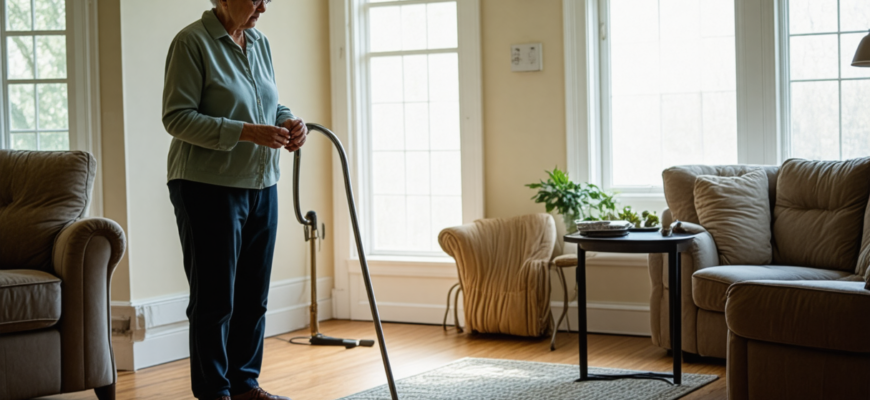
As people age, the importance of maintaining a safe and comfortable living space becomes increasingly vital. A secure home not only minimizes the risk of accidents and injuries but also enhances independence and peace of mind. This article offers a thorough guide to creating a safer home environment tailored for individuals over 60, incorporating practical tips, safety checklists, and expert recommendations to promote a healthier, more secure living space.
- Understanding the Importance of a Safe Home Environment for Seniors
- Common Hazards in the Home for People Over 60
- 1. Fall Risks
- 2. Poor Lighting
- 3. Accessibility Challenges
- 4. Dangerous Electrical and Heating Devices
- 5. Clutter and Obstructions
- Step-by-Step Guide to Making Your Home Safer
- 1. Conduct a Comprehensive Safety Assessment
- 2. Improve Lighting Throughout the Home
- 3. Install and Enhance Handrails and Grab Bars
- 4. Remove or Secure Potential Tripping Hazards
- 5. Enhance Bathroom Safety
- 6. Make Doors and Pathways Accessible
- 7. Upgrade Electrical Safety
- 8. Maintain Optimal Heating and Ventilation
- Additional Safety Tips for a Secure Lifestyle
- 1. Safety Devices and Alarms
- 2. Regular Maintenance and Inspections
- 3. Fire Safety Measures
- 4. Organization and Decluttering
- Creating a Personalized Safety Plan
- Summary of Key Safety Tips
- References and Resources
Understanding the Importance of a Safe Home Environment for Seniors
Transitioning into the later stages of life often involves adapting your living environment to meet new needs and challenges. Age-related changes such as decreased mobility, vision and hearing impairments, and health conditions can increase vulnerability to accidents in the home. Therefore, implementing safety measures is crucial to reduce fall risks, prevent injuries, and support independent living.
Creating a safer home environment involves assessing potential hazards, making necessary modifications, and developing routines that foster security. The benefits include improved quality of life, increased confidence in daily activities, and overall well-being.
Common Hazards in the Home for People Over 60
1. Fall Risks
- Uneven or slippery flooring
- Loose rugs and carpets
- Cluttered walkways
- Stairs without handrails
2. Poor Lighting
- Inadequate illumination in hallways, staircases, and bathrooms
- Glare from bright lights or windows
3. Accessibility Challenges
- High-threshold doorways
- Limited space for mobility aids such as walkers or wheelchairs
4. Dangerous Electrical and Heating Devices
- Old or faulty wiring and outlets
- Unsafe use of space heaters or open flames
5. Clutter and Obstructions
- Items blocking pathways or exits
- Storage of items on stairs or in aisles
Step-by-Step Guide to Making Your Home Safer
1. Conduct a Comprehensive Safety Assessment
Begin by evaluating every room and area of the house from the perspective of safety. Identify hazards and prioritize those that pose the greatest risk. This process can be facilitated by consulting safety checklists or seeking advice from professionals specializing in aging-in-place modifications.
2. Improve Lighting Throughout the Home
Proper lighting is essential for visibility and accident prevention. Strategies include:
- Installing bright, energy-efficient LED bulbs in all rooms, especially hallways, staircases, and bathrooms
- Adding motion-activated lights to automatically illuminate dark areas
- Using nightlights in bedrooms, corridors, and bathrooms for nighttime navigation
3. Install and Enhance Handrails and Grab Bars
Support structures along stairs and in bathrooms are vital. Some key points include:
- Adding sturdy handrails on both sides of staircases
- Placing grab bars near toilets and inside showers or bathtubs
- Ensuring all handrails are securely fixed and at an accessible height
4. Remove or Secure Potential Tripping Hazards
Cluttered walkways and unstable surfaces increase fall risks. Implement these tips:
- Removing loose rugs or anchoring them firmly to floors
- Securing or eliminating cords across walkways
- Keeping floors clean and dry at all times
5. Enhance Bathroom Safety
The bathroom is a high-risk area for falls. Improvements include:
- Installing non-slip mats inside and outside the shower or tub
- Using a seat or chair in the shower for stability
- Adding elevated toilet seats for easier transfers
- Ensuring grab bars are present and firmly mounted
6. Make Doors and Pathways Accessible
To facilitate movement, consider:
- Widening doorways or installing lever-style handles for easier opening
- Reducing thresholds or installing ramps for wheelchair access
- Clearing pathways of furniture and other obstacles
7. Upgrade Electrical Safety
To prevent electrical fires and shocks:
- Replacing outdated wiring and outlets
- Using surge protectors and avoiding overloaded circuits
- Keeping electrical appliances away from water sources
8. Maintain Optimal Heating and Ventilation
Ensure heating devices are safe and that ventilation prevents mold growth. Tips include:
- Using space heaters with automatic shut-off features
- Having regular inspections of heating systems
- Ensuring windows and vents are unobstructed for fresh air circulation
Additional Safety Tips for a Secure Lifestyle
1. Safety Devices and Alarms
Install alert systems to respond promptly to emergencies:
- Smoke detectors—test monthly and change batteries annually
- Carbon monoxide detectors—place near bedrooms and kitchen
- Emergency response systems—wearable devices with call buttons
2. Regular Maintenance and Inspections
Schedule routine check-ups to ensure all safety features and home systems are functioning properly. Regular inspections can prevent costly repairs and hazards.
3. Fire Safety Measures
- Keep fire extinguishers accessible in key areas
- Develop and practice an emergency escape plan
- Avoid smoking indoors or near flammable materials
4. Organization and Decluttering
An organized home minimizes fall risks and makes it easier to find safety equipment quickly. Tips include:
- Designating specific storage spaces for frequently used items
- Removing unnecessary clutter from floors and stairs
- Using storage solutions to keep items off walkways
Creating a Personalized Safety Plan
Every individual’s needs are unique; thus, a personalized safety plan is recommended. This plan should address specific health conditions, mobility levels, and living arrangements. Consult healthcare professionals, occupational therapists, and safety specialists to develop an effective strategy tailored to personal circumstances.
Ensuring safety at home after 60 is a proactive process that involves assessing potential hazards, making strategic modifications, and fostering good habits. By investing time and resources into home safety, seniors can significantly reduce the risk of falls and injuries while maintaining their independence. The ultimate goal is to create a living space that promotes comfort, confidence, and peace of mind, empowering older adults to enjoy life to its fullest.
Summary of Key Safety Tips
| Category | Recommendations |
|---|---|
| Lighting | Install bright, motion-activated, or night lights in key areas |
| Support Structures | Add sturdy handrails and grab bars |
| Floor Safety | Remove loose rugs, secure cords, keep floors dry |
| Bathroom Safety | Use non-slip mats, grab bars, and shower seats |
| Electrical Safety | Update wiring, avoid overloads, keep appliances dry |
| Emergency Devices | Install smoke, CO detectors, and personal emergency systems |
References and Resources
For additional guidance and professional assistance in home modifications or safety assessments, consider reaching out to local occupational therapists, home safety professionals, or senior support organizations.
Похожие записи:
 Effective Tips for Maintaining Healthy Bones and Joints After 60
  The Vital Role of Maintaining Independence and Mobility After 60
  Managing Medication Safely in Older Age: Essential Tips for a Healthy Life After 60
  Exploring New Fitness Trends for Seniors: Stay Active and Healthy After 60
  Smart Strategies for Planning Long-Term Healthcare Needs After 60
  The Benefits of Regular Exercise for Seniors: Enhancing Life After 60
  The Benefits of Garden Therapy and Outdoor Activities for Seniors: Embracing Life After 60
  The Role of Pets in Senior Health and Happiness: How Animals Bring Joy and Well-Being in Later Years
  Meditation and Mindfulness Practices for Stress Relief: A Guide for Those Over 60
  Exploring Alternative Therapies for Wellness: A Guide for Life After 60
  The Importance of Dental Health After 60: Ensuring a Bright and Healthy Future
  Understanding and Managing Grief and Loss in Later Life: A Guide for Seniors
  Staying Socially Connected to Enhance Mental Well-being After 60
  Understanding and Managing Diabetes After 60: Essential Guide for a Healthy Life
  Embracing a Positive Outlook for Aging Gracefully: Unlocking the Secrets to a Fulfilling Life After 60
  The Importance of Routine Health Screenings: A Guide for Life After 60