
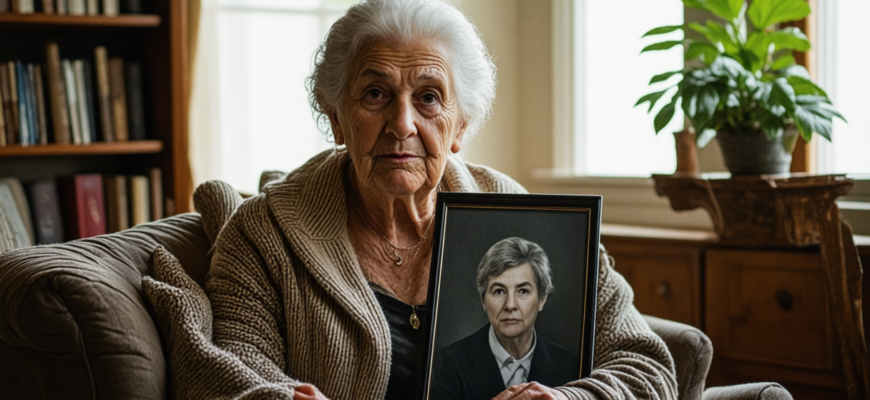
As life progresses, experiencing loss becomes an inevitable part of the aging process. Whether it’s the passing of loved ones, losing independence, or confronting personal health challenges, grief in later years can be particularly complex and emotionally demanding. However, understanding how to navigate these feelings and find ways to heal is crucial for maintaining mental and emotional well-being during this stage of life. This comprehensive guide offers insights, practical strategies, and supportive resources to help seniors deal with grief and loss effectively.
- Understanding Grief and Loss in Later Life
- Common Types of Losses Encountered by Seniors
- The Emotional Impact of Grief in Later Life
- Strategies for Coping with Grief and Loss in Older Age
- 1. Allow Yourself to Grieve
- 2. Seek Support from Others
- 3. Establish Routines and Engage in Activities
- 4. Honor the Memory of Loved Ones
- 5. Take Care of Physical and Mental Health
- Special Considerations for Different Types of Loss
- Dealing with the Loss of a Spouse or Partner
- Adjusting to Changes in Physical Abilities or Health
- Overcoming Social Isolation
- Recognizing When Professional Help is Needed
- Practical Tools and Resources for Managing Grief
- Formulas and Key Principles for Healing
- The Grief Processing Formula
- Explanation of each component:
- Embracing Life After Loss
Understanding Grief and Loss in Later Life
Grief is a natural emotional response to loss, manifesting differently for each individual. For seniors, grief often stems from multiple sources—bereavement, changing physical abilities, social isolation, and significant life transitions. Unlike grief experienced in earlier life stages, aging-related grief can be compounded by other factors such as chronic health conditions, retirement, or the loss of a sense of purpose.
Recognizing the unique aspects of grief in later life is essential for fostering self-compassion and resilience. Here are some common types of losses faced by seniors:
Common Types of Losses Encountered by Seniors
- Loss of a spouse or partner
- Bereavement of friends or extended family members
- Loss of mobility or independence due to health decline
- Loss of social roles, such as retirement or reduced community engagement
- Financial losses or economic instability
- Closure or loss of familiar surroundings, such as moving to assisted living
The Emotional Impact of Grief in Later Life
Grief can evoke a broad spectrum of emotions—from sadness and anger to guilt and loneliness. In older adults, these feelings may persist longer than expected or manifest with less external expression, making grief more challenging to recognize and address.
Some typical emotional reactions include:
- Intense sadness or crying spells
- Sleep disturbances and fatigue
- Loss of interest in daily activities
- Feelings of guilt, regret, or helplessness
- Social withdrawal and loneliness
Understanding that these reactions are normal is the first step towards healing. However, prolonged feelings of despair may lead to depression or anxiety, requiring additional support and intervention.
Strategies for Coping with Grief and Loss in Older Age
Dealing with grief involves a combination of emotional, psychological, and practical approaches. Implementing effective strategies can facilitate healing and help seniors regain a sense of stability and purpose.
1. Allow Yourself to Grieve
Acceptance of loss is a vital component of the grieving process. It’s important not to suppress or deny feelings. Instead, permit yourself to experience sadness, anger, or confusion without guilt. Recognize that healing takes time and that each individual’s timeline is unique.
2. Seek Support from Others
Connecting with trusted friends, family members, or support groups provides emotional comfort. Sharing memories and feelings can foster a sense of belonging and reduce feelings of isolation. For seniors who prefer professional assistance, counseling or therapy tailored for grief can be highly beneficial.
3. Establish Routines and Engage in Activities
Maintaining daily routines offers a sense of normalcy and control. Engaging in hobbies, volunteering, or social activities can distract from grief and reinforce a sense of purpose. Physical activity, even gentle exercises like walking or stretching, contributes positively to mental health.
4. Honor the Memory of Loved Ones
Creating memorials, planting trees, or participating in remembrance events can help keep the memory of loved ones alive. Personal rituals, such as writing letters or compiling photo albums, offer meaningful ways to process grief.
5. Take Care of Physical and Mental Health
Proper nutrition, adequate sleep, and regular medical checkups are fundamental. Managing chronic conditions and addressing physical symptoms can improve overall well-being, making emotional resilience easier to cultivate.
Practicing mindfulness or relaxation techniques such as meditation, deep breathing, or yoga can alleviate stress and promote emotional stability.
Special Considerations for Different Types of Loss
Dealing with the Loss of a Spouse or Partner
The loss of a lifelong partner can be particularly devastating, often leaving a profound sense of emptiness. Tips for coping include:
- Allow yourself to grieve fully without rushing
- Seek support from grief counseling or bereavement groups
- Adjust daily routines gradually to regain independence
- Explore new interests or hobbies to redefine purpose
Adjusting to Changes in Physical Abilities or Health
Physical decline impacts not only mobility but also emotional well-being. Strategies include:
- Adapting living spaces for safety and comfort
- Engaging in physiotherapy or exercise programs tailored for seniors
- Accepting assistance and fostering independence where possible
- Focusing on achievable goals to maintain motivation
Overcoming Social Isolation
loneliness can amplify grief, so fostering social connections is critical:
- Participate in community centers, clubs, or religious groups
- Utilize technology to stay connected with distant loved ones
- Volunteer for social causes or local charities
- Engage in group activities tailored for seniors
Recognizing When Professional Help is Needed
While grief is normal, sometimes it can develop into complicated grief or depression requiring professional intervention. Signs indicating the need for assistance include:
- Persistent feelings of hopelessness or worthlessness
- Loss of interest in all activities over an extended period
- Changes in appetite or sleep patterns that do not improve
- Thoughts of self-harm or suicide
Seeking help from mental health professionals, counselors, or support organizations can provide essential tools for recovery and emotional healing.
Practical Tools and Resources for Managing Grief
| Resource Type | Description |
|---|---|
| Support Groups | Community or online groups providing shared experiences and emotional support |
| Therapy and Counseling | Professional help specializing in grief, aging, and mental health issues |
| Educational Materials | Books, articles, and workshops about grief and aging |
| Religious and Spiritual Support | Churches, temples, or spiritual centers offering comfort and guidance |
| Health and Wellness Programs | Programs focusing on physical health, mindfulness, and emotional resilience |
Formulas and Key Principles for Healing
The Grief Processing Formula
While grief does not follow a strict mathematical process, a conceptual formula can help conceptualize healing:
Acceptance + Support + Self-care + Time = Emotional Recovery
Explanation of each component:
- Acceptance: Recognizing and embracing feelings of loss
- Support: Connecting with family, friends, or professionals
- Self-care: Maintaining physical health, hobbies, and relaxation
- Time: Allowing the natural progression of healing process
Embracing Life After Loss
Grief and loss are deeply personal journeys, especially in later life. While they introduce significant challenges, they also offer an opportunity for reflection, growth, and renewed purpose. By understanding the emotional landscape, utilizing effective coping strategies, and seeking appropriate support, seniors can navigate grief with resilience and dignity. Remembering that healing is a gradual process and that help is always available paves the way toward embracing a fulfilling life beyond loss.
Ultimately, life continues in its rich complexity, offering moments of joy and connection even amidst sorrow. Embracing this perspective can help seniors find strength and hope, fostering a sense of peace and acceptance in the years to come.
Похожие записи:
 Building Resilience and Emotional Strength in Later Years: A Guide to Thriving After 60
  The Benefits of Regular Exercise for Seniors: Enhancing Life After 60
  The Impact of Social Activities on Mental Health After 60
  Exploring Alternative Therapies for Wellness: A Guide for Life After 60
  Managing Medication Safely in Older Age: Essential Tips for a Healthy Life After 60
  Embracing a Positive Outlook for Aging Gracefully: Unlocking the Secrets to a Fulfilling Life After 60
  Staying Socially Connected to Enhance Mental Well-being After 60
  The Transformative Power of Volunteering: Enhancing Senior Mental Health
  Achieving Harmony: Balancing Work and Relaxation for Well-Being After 60
  Meditation and Mindfulness Practices for Stress Relief: A Guide for Those Over 60
  The Importance of Routine Health Screenings: A Guide for Life After 60
  Effective Tips for Maintaining Healthy Bones and Joints After 60
  Smart Strategies for Planning Long-Term Healthcare Needs After 60
  The Importance of Dental Health After 60: Ensuring a Bright and Healthy Future