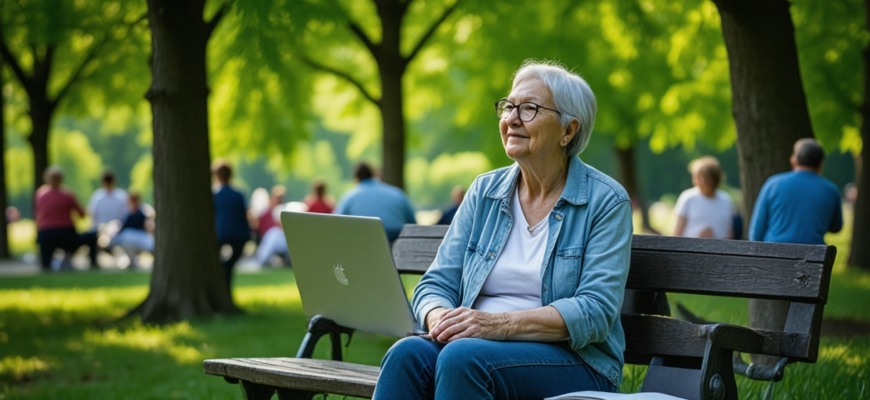
Entering the age of 60 marks a significant milestone in life. Many individuals find themselves at a crossroads, where balancing remaining work commitments with newfound leisure and relaxation becomes essential for maintaining overall health and happiness. Ensuring a harmonious integration of work and relaxation not only promotes physical and mental well-being but also enriches daily life, allowing seniors to enjoy their later years to the fullest. This comprehensive guide explores the importance of balancing work and relaxation after 60, offering practical strategies, insights into common challenges, and effective techniques to foster a healthier, more fulfilling lifestyle.
- The Significance of Work and Relaxation in Later Life
- Physical and Mental Benefits of Maintaining an Active Routine
- Risks of Imbalance
- Understanding Personal Needs and Goals
- Self-Assessment Checklist
- Strategies for Balancing Work and Relaxation
- 1. Establish Clear Boundaries
- 2. Prioritize Self-Care and Physical Activity
- 3. Embrace Flexible Work Options
- 4. Practice Mindfulness and Stress-Reduction Techniques
- 5. Cultivate Social Connections
- Sample Daily Schedule for a Balanced Lifestyle
- Adapting to Changing Needs Over Time
- Flexibility Is Key
- Transitioning from Work to Leisure
- Examples of Effective Balance in Practice
- Case Study 1: The Active Retiree
- Case Study 2: The Community Volunteer
- The Role of Professional Support and Resources
- Key Resources
- Embracing a Holistic Approach to Well-Being
- Remember:
- Additional Tips for Maintaining Balance
The Significance of Work and Relaxation in Later Life
Retirement or a reduction in work hours does not necessarily mean the end of all productive activity. Many over 60 continue to work either out of necessity or desire, engaging in activities that keep them mentally and physically active. Conversely, relaxation and leisure are vital components of a balanced life, helping to reduce stress, prevent health issues, and improve overall happiness.
Physical and Mental Benefits of Maintaining an Active Routine
- Physical health: Regular activity prevents age-related decline, boosts immunity, and maintains mobility.
- Mental acuity: Engaging in meaningful work stimulates brain function and reduces cognitive decline.
- Emotional stability: Achievements in work and hobbies foster self-esteem and purpose.
Risks of Imbalance
Neglecting either aspect—overworking or excessive relaxation—can lead to adverse health effects, including:
- Stress-related ailments
- Depression or anxiety
- Physical deterioration due to inactivity
- Loss of social connections
Understanding Personal Needs and Goals
To achieve a proper balance, it is crucial to recognize individual preferences, capabilities, and aspirations. Every person has unique needs—some may find fulfillment in continuing to work, while others prefer more leisure activities. Conducting a personal assessment can help determine the optimal mix.
Self-Assessment Checklist
- What are my current physical and mental health conditions?
- What activities bring me joy and satisfaction?
- Do I feel stressed or overwhelmed in my current routine?
- What are my long-term goals for health, happiness, and social engagement?
- How much time do I want to dedicate to work versus leisure?
Strategies for Balancing Work and Relaxation
1. Establish Clear Boundaries
One of the most effective ways to maintain a healthy balance is to separate work time from leisure time. Setting specific working hours and sticking to them helps prevent work from encroaching on personal relaxation periods. This approach also trains the mind to associate certain times with productivity and others with rest.
2. Prioritize Self-Care and Physical Activity
Incorporate daily routines that promote health and well-being:
- Enjoy regular walks or light exercises like tai chi or yoga.
- Engage in hobbies such as gardening, painting, or playing an instrument.
- Ensure adequate sleep and proper nutrition.
3. Embrace Flexible Work Options
Many seniors opt for part-time, freelance, or consultative roles that offer flexibility. Such arrangements allow maintaining a sense of purpose without overwhelming commitments. Adjusting work hours according to energy levels ensures productivity while providing ample time for relaxation.
4. Practice Mindfulness and Stress-Reduction Techniques
Techniques such as meditation, deep breathing exercises, and gentle stretching can significantly reduce stress. Regular practice enhances mental clarity and emotional resilience, making it easier to manage the demands of work and leisure.
5. Cultivate Social Connections
Maintaining social interactions through community groups, clubs, or family gatherings contributes to emotional health. Shared activities—whether work-related or leisure-based—foster a sense of belonging and reduce feelings of loneliness or isolation.
Sample Daily Schedule for a Balanced Lifestyle
| Time | Activity |
|---|---|
| 07:00 – 08:00 | Morning walk and breakfast |
| 08:30 – 12:00 | Part-time work or hobby projects |
| 12:00 – 13:00 | Lunch and relaxation |
| 13:30 – 15:30 | Leisure activities (reading, hobbies, socializing) |
| 16:00 – 17:00 | Physical exercise or outdoor activity |
| 17:30 – 19:00 | Dinner and family time |
| 19:00 – 20:00 | Relaxation—meditation, gentle stretching |
| 20:30 | Bedtime |
Adapting to Changing Needs Over Time
Flexibility Is Key
As health and energy levels fluctuate with age, routines may need adjustment. Listening to one’s body and adjusting schedules accordingly helps maintain a sustainable balance.
Transitioning from Work to Leisure
- Gradually reduce work hours if possible.
- Explore new hobbies or volunteer opportunities.
- Prioritize health screenings and medical advice for age-related issues.
Examples of Effective Balance in Practice
Case Study 1: The Active Retiree
Mr. Ivan, 65, retired from his engineering job but remains engaged in consulting on a project basis. He dedicates mornings to consulting, which keeps his mind active, and afternoons for gardening, walking, and playing chess with friends. His routine allows him to feel purposeful while enjoying leisure pursuits, resulting in improved mental health and physical vitality.
Case Study 2: The Community Volunteer
Ms. Elena, 68, reduced her work hours and invested time in volunteering at local charities. Her week balances volunteering activities, attending dance classes, and spending quality time with family. Her varied routine has helped her stay socially engaged, physically active, and emotionally fulfilled.
The Role of Professional Support and Resources
Health professionals, social workers, and community organizations can assist seniors in developing personalized routines. Regular health assessments, counseling, and community programs tailored for older adults provide valuable support for maintaining balance.
Key Resources
- Senior centers and community clubs
- Health and wellness workshops
- Online courses and virtual social groups
- Volunteer programs
Embracing a Holistic Approach to Well-Being
Achieving a harmonious balance between work and relaxation after 60 is fundamental for preserving health and enhancing life quality. Recognizing personal needs, setting realistic goals, and adopting flexible routines create a sustainable lifestyle that nurtures body, mind, and spirit. Emphasizing self-awareness, social connections, and ongoing activities enables seniors to find joy in each day, fostering a vibrant and meaningful life well beyond the traditional notions of retirement.
Remember:
- Balance is a dynamic process that adapts over time.
- Listening to your body and mind is crucial for maintaining health.
- Engaging in meaningful activities elevates overall well-being.
- Seeking support when needed ensures ongoing progress.
Additional Tips for Maintaining Balance
- Set achievable goals that motivate without causing stress.
- Incorporate variety in daily activities to stimulate interest and engagement.
- Limit screen time and prioritize real-world interactions.
- Stay informed about health trends and adaptations suitable for your age.
Ultimately, creating a balanced routine that respects individual preferences and physical capabilities leads to a richer, more satisfying life after 60. Embrace the journey of self-discovery and growth, and enjoy the many benefits that a well-balanced lifestyle offers.
Похожие записи:
 The Benefits of Regular Exercise for Seniors: Enhancing Life After 60
  Staying Socially Connected to Enhance Mental Well-being After 60
  Exploring Alternative Therapies for Wellness: A Guide for Life After 60
 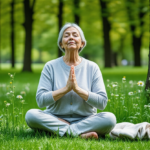 Meditation and Mindfulness Practices for Stress Relief: A Guide for Those Over 60
  The Importance of Routine Health Screenings: A Guide for Life After 60
  Managing Medication Safely in Older Age: Essential Tips for a Healthy Life After 60