
Reaching the age of 60 and beyond marks a significant milestone in life, often accompanied by a desire to maintain health, vitality, and overall well-being. While conventional medicine plays a vital role in managing health, many seniors are increasingly turning to alternative therapies to complement their lifestyle, alleviate ailments, and enhance their quality of life. This comprehensive guide explores a variety of alternative therapies suitable for individuals after 60, providing insights into their benefits, applications, and considerations for safe practice.
- Understanding Alternative Therapies
- Categories of Alternative Therapies
- Popular Alternative Therapies for Seniors
- 1. Acupuncture
- 2. Yoga and Tai Chi
- 3. Herbal Medicine
- 4. Massage Therapy
- 5. Meditation and Mindfulness
- Integrating Alternative Therapies into Daily Life
- Developing a Wellness Routine
- Sample Weekly Wellness Plan
- Benefits of Alternative Therapies for Seniors
- Safety Considerations When Using Alternative Therapies
- Consultation with Healthcare Providers
- Choosing Qualified Practitioners
- Monitoring and Adjusting Therapies
- Understanding Limitations
- Research and Evidence Supporting Alternative Therapies
- Key Research Findings
- Embracing Holistic Wellness After 60
Understanding Alternative Therapies
Alternative therapies refer to a broad range of practices and treatments that are used alongside or instead of conventional medicine. They often emphasize holistic approaches, aiming to treat the whole person—mind, body, and spirit—rather than just symptoms. For seniors, these therapies can offer numerous benefits, including pain relief, stress reduction, improved mobility, and emotional well-being.
Categories of Alternative Therapies
- Mind-Body Techniques: Practices that enhance mental and emotional health.
- Physical Therapies: Methods aimed at improving mobility, flexibility, and physical function.
- Nutritional and Herbal Remedies: Natural supplements and dietary adjustments.
- Naturopathy and Traditional Medicine: Holistic healing systems rooted in various cultural traditions.
- Complementary Practices: Therapies used alongside conventional medicine to support health.
Popular Alternative Therapies for Seniors
1. Acupuncture
Originating from Traditional Chinese Medicine, acupuncture involves inserting fine needles into specific points on the body to stimulate energy flow, improve circulation, and reduce pain. It is especially effective for managing chronic pain conditions like osteoarthritis, migraines, and lower back pain. In seniors, acupuncture may also help alleviate symptoms of insomnia and anxiety.
2. Yoga and Tai Chi
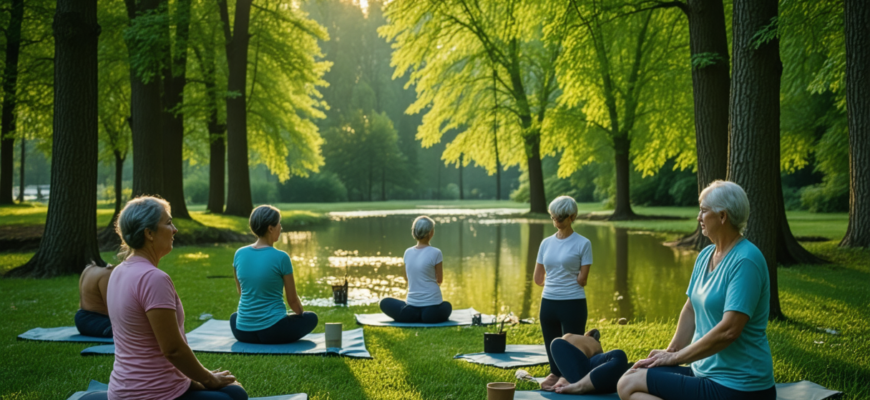
Both yoga and Tai Chi are gentle physical practices that emphasize controlled movements, breathing, and mental focus. They are known to improve balance, flexibility, and strength, which are crucial for fall prevention in older adults. Additionally, regular practice can reduce stress, enhance mood, and promote overall relaxation.
3. Herbal Medicine
Herbal remedies involve natural plant-based preparations that can support health in various ways. Examples include ginseng for energy, turmeric for inflammation, and valerian root for sleep issues. It is important to consult healthcare professionals before starting herbal treatments to avoid interactions with medications.
4. Massage Therapy
Massage techniques such as Swedish massage, reflexology, and deep tissue therapy can alleviate muscle tension, improve circulation, and reduce pain. For elderly individuals, massage can also promote relaxation and emotional well-being.
5. Meditation and Mindfulness
Practicing meditation and mindfulness exercises helps reduce stress, improve mental clarity, and promote emotional resilience. These practices are especially valuable for seniors coping with health challenges or chronic conditions.
Integrating Alternative Therapies into Daily Life
Developing a Wellness Routine
Incorporating alternative therapies into daily routines can significantly enhance overall wellness. Here are steps to effectively integrate these practices:
- Consult healthcare providers before starting any new therapy, especially if on medication or managing health conditions.
- Choose therapies aligned with personal interests and comfort levels.
- Start gradually, allowing the body and mind to adapt.
- Maintain consistency for maximum benefit.
- Keep a journal to track progress and any noticeable changes.
Sample Weekly Wellness Plan
| Day | Therapies/Activities | Duration | Notes |
|---|---|---|---|
| Monday | Yoga Practice | 30 minutes | Focus on balance postures |
| Tuesday | Acupuncture Session | 20 minutes | Relieves chronic joint pain |
| Wednesday | Meditation | 15 minutes | Morning mindfulness |
| Thursday | Herbal Tea and Reading | 30 minutes | Relaxation time |
| Friday | Massage Therapy | 45 minutes | Stress relief |
| Saturday | Tai Chi Class | 1 hour | Group activity for socialization |
| Sunday | Nature Walk | 1 hour | Fresh air and gentle exercise |
Benefits of Alternative Therapies for Seniors
| Benefit | Description |
|---|---|
| Pain Management | Reduces chronic pain from arthritis, fibromyalgia, and other conditions without relying solely on medications. |
| Enhanced Mobility and Flexibility | Gentle physical exercises increase range of motion and prevent falls. |
| Stress Reduction | Practices like meditation and massage promote relaxation and emotional stability. |
| Improved Sleep | Natural remedies and relaxation techniques help regulate sleep patterns. |
| Boosted Immune Function | Certain herbal therapies can strengthen immune response. |
| Enhanced Mental Clarity | Mental exercises such as mindfulness improve cognitive functions and reduce mental fog. |
Safety Considerations When Using Alternative Therapies
While alternative therapies offer numerous benefits, safety must remain a priority. Here are essential considerations:
Consultation with Healthcare Providers
- Always discuss new therapies with a healthcare professional, especially if on medication or managing chronic illnesses.
- Ensure therapies are appropriate for individual health conditions.
Choosing Qualified Practitioners
- Verify credentials and experience of therapists and practitioners.
- Seek recommendations from trusted sources or professional associations.
Monitoring and Adjusting Therapies
- Pay attention to bodily responses and any adverse effects.
- Adjust or discontinue therapies if negative symptoms appear.
Understanding Limitations
Alternative therapies are complementary and should not replace necessary conventional treatments. Their role is to support overall wellness.
Research and Evidence Supporting Alternative Therapies
Modern scientific research increasingly validates many traditional and alternative practices. For example:
- Numerous studies support acupuncture’s efficacy in pain relief.
- Mindfulness and meditation have been shown to reduce stress hormones and improve mental health.
- Physical activities like Tai Chi improve balance and reduce fall risk.
Key Research Findings
- Acupuncture: Meta-analyses indicate significant pain reduction in osteoarthritis and migraines.
- Yoga and Tai Chi: Demonstrated improvements in balance, flexibility, and calmness among older adults.
- Herbal Remedies: Evidence varies; herbal treatments should be used cautiously under professional supervision.
Embracing Holistic Wellness After 60
Ultimately, exploring alternative therapies can be a rewarding component of a holistic approach to health after 60. These practices not only address physical ailments but also nurture mental, emotional, and spiritual well-being, leading to a more vibrant and fulfilled life. As with any health decision, informed choices and consultation with healthcare professionals ensure safe and effective integration of these therapies into daily routines. Embracing a diverse range of wellness strategies allows seniors to maintain independence, happiness, and quality of life well into their later years.
Whether it’s practicing yoga, receiving a massage, or trying herbal teas, the goal remains the same: to enhance vitality and enjoy the richness of life in the golden years.
Похожие записи:
 Meditation and Mindfulness Practices for Stress Relief: A Guide for Those Over 60
  The Importance of Routine Health Screenings: A Guide for Life After 60
  The Benefits of Regular Exercise for Seniors: Enhancing Life After 60
  Managing Medication Safely in Older Age: Essential Tips for a Healthy Life After 60
  Staying Socially Connected to Enhance Mental Well-being After 60