
As individuals age beyond 60 years, maintaining a robust immune system becomes increasingly vital for preserving health, independence, and quality of life. The immune system naturally weakens with age—a process called immunosenescence—making older adults more susceptible to infections, illnesses, and chronic conditions. However, there are effective strategies to strengthen immunity and promote a healthier, more active life in later years. This detailed guide explores proven methods, lifestyle modifications, dietary recommendations, and medical considerations to optimize immune function after 60.
- Understanding the Aging Immune System
- What Happens to the Immune System After 60?
- Key Strategies to Strengthen Immunity After 60
- 1. Nutrition: Building a Foundation for a Strong Immune System
- Essential Nutrients for Immunity
- Dietary Tips
- 2. Physical Activity: Moving Towards Better Immunity
- 3. Adequate Rest and Stress Management
- 4. Vaccinations: Staying Protected
- Lifestyle Supplements and Herbal Aids
- Supplementation: When and What to Consider
- Medical Interventions and Monitoring
- Regular Health Checkups
- Monitoring and Managing Chronic Diseases
- Innovative Approaches to Supporting Immunity in Older Adults
- Emerging Therapies and Research
- Building a Supportive Environment for Healthy Aging
- Social Connections and Mental Health
- Creating Safe Living Spaces
- Summary: Key Takeaways for Enhancing Immunity After 60
Understanding the Aging Immune System
What Happens to the Immune System After 60?
With age, the immune system undergoes several changes that diminish its ability to respond effectively to pathogens. Key features of immunosenescence include:
- Reduced production of new immune cells from the bone marrow and thymus gland.
- Lower levels of circulating lymphocytes, especially T-cells.
- Increased presence of memory cells that respond poorly to new infections.
- Chronic low-grade inflammation, known as “inflammaging,” which can impair immune responses.
These alterations result in increased vulnerability to infectious diseases such as influenza, pneumonia, and shingles, as well as a decline in vaccine efficacy. Recognizing these changes underscores the importance of targeted strategies to enhance immune resilience.
Key Strategies to Strengthen Immunity After 60
1. Nutrition: Building a Foundation for a Strong Immune System
Essential Nutrients for Immunity
Nutritional intake plays a crucial role in maintaining and boosting immune functions. Key nutrients include:
| Nutrient | Function | Food Sources |
|---|---|---|
| Vitamin C | Antioxidant; stimulates immune cell production | Citrus fruits, berries, bell peppers, broccoli |
| Vitamin D | Enhances pathogen-fighting effects of immune cells | Fatty fish, fortified dairy, egg yolks, sunlight exposure |
| Zinc | Vital for immune cell development and function | Seafood, nuts, seeds, legumes |
| Probiotics | Support gut health, a key component of immune function | Yogurt, kefir, sauerkraut, kimchi |
Dietary Tips
- Incorporate a variety of colorful fruits and vegetables daily.
- Choose lean proteins such as poultry, fish, and legumes.
- Limit processed foods high in sugar, salt, and unhealthy fats.
- Maintain adequate hydration—aim for at least 8 glasses of water per day.
2. Physical Activity: Moving Towards Better Immunity
Regular moderate exercise has been shown to enhance immune responses, reduce inflammation, and improve overall health. It also aids in maintaining a healthy weight, which is important because obesity is linked with immune dysfunction. Key recommendations include:
- Engage in at least 150 minutes of moderate aerobic activity weekly (e.g., brisk walking, swimming, cycling).
- Include strength training exercises at least twice a week to preserve muscle mass.
- Incorporate flexibility and balance activities like yoga or tai chi to prevent falls and maintain mobility.
Note: Always consult a healthcare provider before starting a new exercise regimen, especially if chronic health conditions are present.
3. Adequate Rest and Stress Management
Chronic stress and insufficient sleep can suppress immune function. Strategies to improve sleep quality and reduce stress include:
- Establish a consistent sleep schedule, aiming for 7-8 hours of restful sleep per night.
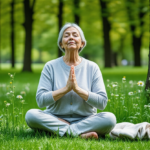
- Practice relaxation techniques such as meditation, deep breathing, or guided imagery.
- Engage in hobbies and social activities to foster emotional well-being.
4. Vaccinations: Staying Protected
Vaccinations remain one of the most effective methods to prevent serious illnesses in older adults. Key vaccines include:
- Influenza vaccine — recommended annually.
- Pneumococcal vaccine — protects against pneumonia and meningitis.
- Shingles vaccine — reduces the risk of herpes zoster and postherpetic neuralgia.
- COVID-19 vaccines — vital for protection against severe illness.
Consult healthcare providers to determine the appropriate vaccination schedule and ensure updated immunizations.
Lifestyle Supplements and Herbal Aids
Supplementation: When and What to Consider
While a balanced diet should be the primary source of nutrients, certain supplements may be beneficial to fill nutritional gaps. Always discuss with a healthcare provider before starting any supplement regimen. Common options include:
- Vitamin D — especially in regions with limited sunlight exposure.
- Senior multivitamins — to cover multiple deficiencies.
- Omega-3 fatty acids — for anti-inflammatory benefits.
- Herbal supplements like echinacea or elderberry may support immune health but require professional guidance regarding safety and efficacy.
Medical Interventions and Monitoring
Regular Health Checkups
Routine medical examinations help identify and manage chronic conditions that could impair immunity, such as diabetes, cardiovascular disease, or autoimmune disorders. Early intervention prevents complications and supports immune health.
Monitoring and Managing Chronic Diseases
- Maintain optimal control over blood sugar levels in diabetics.
- Monitor blood pressure and cholesterol regularly.
- Follow prescribed medication plans diligently.
Innovative Approaches to Supporting Immunity in Older Adults
Emerging Therapies and Research
Advancements in geriatric medicine are exploring ways to rejuvenate the immune system. Some promising areas include:
- Senolytic therapies — aimed at removing senescent cells that impair immune function.
- Immune modulation treatments — designed to enhance vaccine responses.
- Personalized medicine — tailoring interventions based on genetic and biomarker profiles.
While these are still under investigation, staying informed about medical innovations can contribute to healthier aging.
Building a Supportive Environment for Healthy Aging
Social Connections and Mental Health
Strong social ties and mental well-being are linked with better immune function. Engaging in community activities, maintaining friendships, and participating in group hobbies can foster a supportive network vital for emotional and physical health.
Creating Safe Living Spaces
Ensuring a safe, accessible living environment helps prevent accidents and promotes independence, which is essential for maintaining an active lifestyle and, consequently, a strong immune system.
Summary: Key Takeaways for Enhancing Immunity After 60
- Prioritize a nutrient-rich, balanced diet rich in vitamins and minerals.
- Engage in regular physical activity suitable for age and health status.
- Ensure quality sleep and manage stress effectively.
- Stay up-to-date with vaccinations recommended for seniors.
- Regularly monitor health conditions and maintain medical appointments.
- Consider supplementation after consulting healthcare professionals.
- Foster social connections and maintain mental health.
While aging naturally brings about immune system decline, proactive lifestyle choices, proper nutrition, medical care, and social engagement can significantly enhance immune resilience after 60. Embracing these strategies enables older adults to enjoy a vibrant, healthy life, preserving independence and vitality well into their golden years. Ultimately, the key is to approach aging with a mindset of continual health promotion, resilience, and joy in every stage of life.
Похожие записи:
 Managing Chronic Conditions Effectively: A Comprehensive Guide for Life After 60 Effective Strategies for Overcoming Loneliness in Older Adults: A Comprehensive Guide to a Fulfilling Life After 60
  Joining Veteran or Senior Sports Groups: A Guide to Active Living After 60
  The Importance of Routine Health Screenings: A Guide for Life After 60 Preventing and Managing Osteoporosis: A Comprehensive Guide for Life After 60 Practicing Meditation and Relaxation Techniques: A Comprehensive Guide for Life After 60
  Ultimate Guide to Navigating Travel Health and Vaccination Requirements After 60 Staying Motivated to Exercise Regularly After 60: A Comprehensive Guide to a Healthier Life Mental Wellness Tips for Older Adults: Embracing a Fulfilling Life After 60
  Exploring Alternative Therapies for Wellness: A Guide for Life After 60
  Embracing Wellness and Adventure After 60: The Perfect Blend for Active, Healthy Living
  How to Establish a Walking or Hiking Club for Active Living After 60
  Smart Budgeting Tips for Comfortable Retirement Living Effective Techniques to Enhance Cognitive Function After 60
  Embracing a Positive Outlook for Aging Gracefully: Unlocking the Secrets to a Fulfilling Life After 60
  Meditation and Mindfulness Practices for Stress Relief: A Guide for Those Over 60