
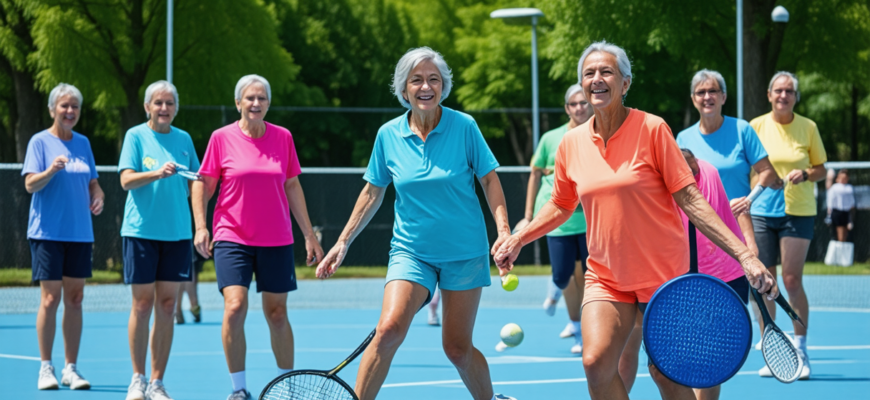
As individuals transition into their 60s and beyond, maintaining an active lifestyle becomes increasingly important for health, well-being, and social engagement. Joining veteran or senior sports groups offers numerous benefits — from physical fitness to community participation. This comprehensive guide explores the reasons to participate, types of activities available, how to choose the right group, and practical tips for a successful and enjoyable experience.
- Why Joining Senior Sports Groups Is Beneficial
- Physical Health Benefits
- Mental and Emotional Wellbeing
- Social Benefits
- Common Types of Senior Sports and Activity Groups
- 1. Walking Clubs
- 2. Yoga and Pilates Classes
- 3. Swimming and Water Aerobics
- 4. Tennis, Golf, and Other Racket Sports
- 5. Tai Chi and Qi Gong
- 6. Seniors’ Sports Leagues
- How to Choose the Right Sports Group for Seniors
- Assess Your Physical Condition
- Identify Your Interests and Goals
- Research Local Offerings
- Safety and Supervision
- Logistical Considerations
- Practical Tips for Engaging in Senior Sports Activities
- Start Slowly and Progress Gradually
- Wear Appropriate Clothing and Footwear
- Warm-Up and Cool-Down
- Stay Hydrated and Nourished
- Listen to Your Body
- Sample Weekly Schedule for Senior Sports Enthusiasts
- Overcoming Common Barriers to Participation
- Mobility Limitations
- Fear of Injury
- Limited Information
- Lack of Motivation
- Real-Life Success Stories
- Case Study 1: Maria’s Journey to Better Health
- Case Study 2: John’s Active Retirement
- Embrace Active Living After 60
- Additional Resources
Why Joining Senior Sports Groups Is Beneficial
Participating in organized sports or physical activities designed for seniors can dramatically enhance quality of life. The benefits encompass physical health, mental vitality, emotional stability, and social connectivity.
Physical Health Benefits
- Improved cardiovascular health: Aerobic exercises strengthen the heart and lungs.
- Enhanced muscular strength: Resistance and flexibility exercises prevent muscle loss.
- Better balance and coordination: Activities like tai chi reduce fall risk.
- Weight management: Regular activity helps maintain a healthy weight.
- Boosted immune system: Consistent movement can improve immune responses.
Mental and Emotional Wellbeing
- Reduced symptoms of depression and anxiety.
- Improved cognitive functions, including memory and concentration.
- Enhanced self-esteem and sense of achievement.
Social Benefits
- Expanding social networks and friendships.
- Developing a sense of community and belonging.
- Encouraging accountability and motivation through group participation.
Common Types of Senior Sports and Activity Groups
Senior sports groups are diverse, catering to varying interests, physical abilities, and fitness levels. Here’s an overview of the most popular options:
1. Walking Clubs
Simple, accessible, and low-impact, walking clubs promote cardiovascular health and social interaction. They often meet multiple times weekly, with routes varying in distance and terrain.
2. Yoga and Pilates Classes
Focus on flexibility, balance, and core strength. These classes are tailored to senior needs, emphasizing gentle movements and breathing exercises.
3. Swimming and Water Aerobics
Low-impact exercises that improve cardiovascular health and joint mobility. Water activities are excellent for those with arthritis or mobility issues.
4. Tennis, Golf, and Other Racket Sports
Engage in moderate to vigorous physical activity, helping improve coordination, agility, and overall fitness while enjoying outdoor environments.
5. Tai Chi and Qi Gong
Gentle martial arts focusing on slow, flowing movements to enhance balance, flexibility, and mental relaxation.
6. Seniors’ Sports Leagues
Structured sports leagues for volleyball, basketball, or soccer tailored specifically for older athletes, emphasizing fun, camaraderie, and safe participation.
How to Choose the Right Sports Group for Seniors
Finding an appropriate sports group involves considering physical abilities, personal interests, safety, and logistical factors. Here are essential steps:
Assess Your Physical Condition
Before joining, consult a healthcare provider to understand your health status and any limitations. Recognize your fitness level to select suitable activities.
Identify Your Interests and Goals
Choose activities that you genuinely enjoy. Whether it’s socializing, improving stamina, or learning a new skill, aligning activities with personal goals enhances commitment.
Research Local Offerings
Look for community centers, senior centers, and sports clubs with programs tailored for seniors. Check reviews and visit venues if possible.
Safety and Supervision
Ensure the group has qualified instructors or coaches experienced in working with older adults. Safety measures and proper equipment are crucial.
Logistical Considerations
- Location and proximity to home.
- Schedule compatibility with personal routines.
- Cost of participation and whether there are membership or drop-in options.
Practical Tips for Engaging in Senior Sports Activities
Maximizing benefits and ensuring safety requires mindful planning and attitude.
Start Slowly and Progress Gradually
Even if you have prior experience, avoid overexertion initially. Gradually increase intensity and duration.
Wear Appropriate Clothing and Footwear
Comfortable, supportive shoes and breathable clothing help prevent injuries and improve performance.
Warm-Up and Cool-Down
Always include stretching and gentle warm-up exercises before activities, and cooling down afterward to minimize muscle soreness.
Stay Hydrated and Nourished
Drink plenty of water during physical activity and maintain a balanced diet to support energy levels.
Listen to Your Body
Respect signals of fatigue, pain, or discomfort. Rest when needed and consult a healthcare provider if persistent issues arise.
Sample Weekly Schedule for Senior Sports Enthusiasts
| Day | Activity | Duration | Remarks |
|---|---|---|---|
| Monday | Walking Club | 45 minutes | Moderate pace, outdoor |
| Tuesday | Yoga for Seniors | 1 hour | Focus on flexibility and relaxation |
| Wednesday | Swimming & Water Aerobics | 1 hour | Indoor pool, low-impact |
| Thursday | Golf or Racket Sports | 2 hours | Outdoor or indoor facilities |
| Friday | Tai Chi Session | 45 minutes | Mental and physical balance focus |
| Saturday | Community Sports League Game | Variable | Recreational match with peers |
| Sunday | Rest or gentle stretching | 20-30 minutes | Recovery day |
Overcoming Common Barriers to Participation
Many seniors face obstacles such as mobility issues, fear of injury, lack of information, or motivational challenges. Here are strategies to overcome these barriers:
Mobility Limitations
- Select low-impact activities like swimming or chair yoga.
- Consult professionals for adaptive equipment or modified exercises.
Fear of Injury
- Work with qualified instructors who understand senior needs.
- Start slow and build stamina gradually.
- Ensure proper warm-up and cooling routines.
Limited Information
- Leverage local community centers, senior centers, and online resources.
- Join social media groups dedicated to senior fitness.
Lack of Motivation
- Find a workout buddy or join group challenges.
- Set achievable goals and track progress.
- Enjoy social time and making new friends.
Real-Life Success Stories
Many seniors have transformed their lives through participation in sports groups. For example:
Case Study 1: Maria’s Journey to Better Health
At age 65, Maria joined a water aerobics class. Within six months, she noticed improved joint mobility and a boost in mood. Social interactions motivated her to stay active, leading to new friendships and increased confidence.
Case Study 2: John’s Active Retirement
John, 70, began playing golf with a local seniors’ league. The physical activity helped maintain his weight and muscle mass. The camaraderie kept him motivated, and he reported feeling more energetic and happier in everyday life.
Embrace Active Living After 60
Joining veteran or senior sports groups is a powerful way to enrich life after 60. These activities promote physical health, mental sharpness, and social engagement — all vital components for aging with vitality and purpose. By choosing suitable activities, overcoming barriers, and staying consistent, seniors can enjoy a more active, fulfilling, and connected life.
Additional Resources
Always consult with healthcare providers before beginning any new exercise regimen, especially for those with chronic health conditions. With proper guidance and motivation, remaining active after 60 is not only possible — it can be incredibly rewarding and transformative.
Похожие записи:
 Embracing Wellness and Adventure After 60: The Perfect Blend for Active, Healthy Living
  Unlocking Creativity After 60: The Benefits and Guide to Joining Art Classes and Workshops
  Embrace Adventure: Learning New Water Sports During Your Travels After 60
  Embracing Knowledge and Connection: Joining Book Clubs and Literary Discussions After 60
  Conquering Fear: Embracing New Adventure Sports After 60
  Embrace the Winter: Exciting Cross-Country Skiing and Snowshoeing Adventures for Active Seniors
  Exploring Holistic Approaches to Senior Wellness: A Guide to Thriving After 60
  The Transformative Power of Volunteering: Enhancing Senior Mental Health
  Exploring New Fitness Trends for Seniors: Stay Active and Healthy After 60
  Cycling Trips for Active Seniors Seeking New Challenges: Unlocking Adventure After 60
  Smart Budgeting Tips for Comfortable Retirement Living
  The Role of Pets in Senior Health and Happiness: How Animals Bring Joy and Well-Being in Later Years
  Embracing Joy and Connection: Participating in Local Festivals and Cultural Events After 60
  Maximizing Joy and Growth After 60: How Participating in Gardening Clubs and Plant Swaps Enriches Your Life
  Mountain Trekking Adventures for Experienced Seniors: A Guide to Safe and Exciting Exploration After 60
  Taking Up Fishing as a Quiet Hobby: A Serene Path to Joy After 60