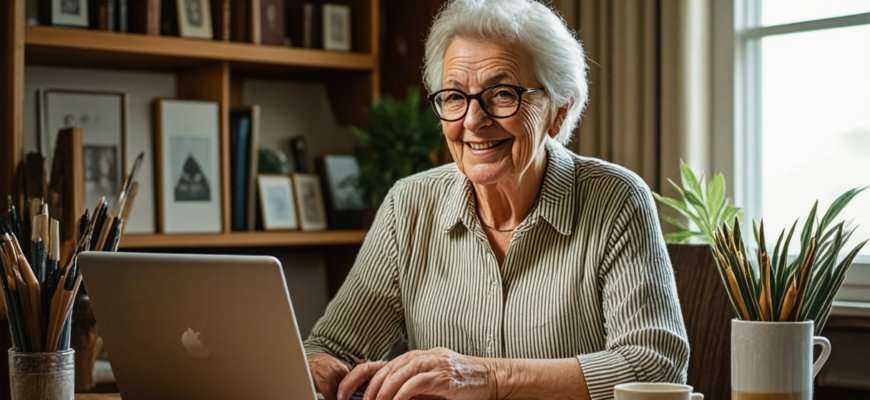
Embarking on the journey of creating a personal blog or online portfolio is an inspiring step, especially in the vibrant phase of life after 60. In today’s digital world, establishing an online presence is not just for the young; it can be a powerful tool for sharing experiences, showcasing talents, and staying connected with loved ones and the wider community. This comprehensive guide explores the essential aspects of building a compelling personal blog or online portfolio tailored specifically for seniors who wish to embrace the digital age and turn their passions into an online reality.
- Why Create a Personal Blog or Online Portfolio After 60?
- Steps to Create a Personal Blog or Online Portfolio
- 1. Define Your Purpose and Audience
- 2. Choose the Right Platform
- 3. Select a Suitable Domain Name and Hosting Service
- 4. Design Your Website
- Design Tips for Seniors
- 5. Create Quality Content
- 6. Optimize for Search Engines (SEO)
- 7. Engage and Grow Your Audience
- 8. Maintain and Update Your Website
- Overcoming Common Challenges
- Technical Skills Gap
- Design and Creativity
- Time Management
- Inspirational Examples of Seniors Who Succeeded Online
- Embrace the Digital Future with Confidence
- Additional Resources
- Final Thoughts
Why Create a Personal Blog or Online Portfolio After 60?
Choosing to start a personal blog or portfolio after 60 offers numerous benefits, transforming the way seniors see themselves and engage with the world. Here are some compelling reasons:
- Sharing Wisdom and Life Experiences: Documenting a lifetime of knowledge, stories, and lessons learned can inspire others and create a meaningful legacy.
- Staying Connected: An online presence helps maintain social connections and participate in community discussions.
- Showcasing Talents and Hobbies: Whether it’s painting, writing, gardening, or crafts, an online portfolio can display personal projects and skills to a wider audience.
- Engaging in New Learning Opportunities: Building and managing a website enhances digital literacy and introduces new technological skills.
- Potential New Income Streams: Monetizing a blog or portfolio through affiliate marketing, sponsored content, or selling products.
Steps to Create a Personal Blog or Online Portfolio
Developing an engaging and functional site involves several key steps. Below is a step-by-step outline that ensures clarity and effectiveness from planning to launch.
1. Define Your Purpose and Audience
Before diving into technical details, it is crucial to clarify the purpose of your website. Ask yourself:
- What do I want to share or showcase? (e.g., personal stories, artistic works, professional achievements)
- Who is my intended audience? (family, friends, potential clients, fellow hobbyists)
- What kind of content will I post? (blog articles, photo galleries, tutorials, videos)
Clear objectives will guide design choices and content strategy, making your website more impactful.
2. Choose the Right Platform
There are several user-friendly platforms suitable for seniors, generally categorized into two types:
| Platform Type | Popular Examples | Features |
|---|---|---|
| Hosted Platforms | Wix, Weebly, Squarespace | Simple drag-and-drop interfaces, all-in-one solutions, minimal technical skills needed |
| Self-Hosting Platforms | WordPress.org, Joomla, Drupal | Greater flexibility, extensive customization options, requires hosting service and some technical knowledge |
For most seniors new to website creation, hosted platforms like Wix or Weebly are recommended due to their ease of use.
3. Select a Suitable Domain Name and Hosting Service
The domain name should be memorable, relevant, and reflective of the site’s content. Examples include:
- JaneDoeArtist.com
- MyTravelStories60.com
- GoldenYearsGallery.com
Popular hosting providers include Bluehost, SiteGround, and Namecheap, offering reliable services with user-friendly interfaces.
4. Design Your Website
Effective design combines visual appeal with functional usability. Consider:
- Template Selection: Choose a clean, responsive template adaptable to various devices.
- Color Scheme and Fonts: Use calming tones and larger fonts for readability.
- Navigation Structure: Keep menus simple and intuitive to help visitors find information easily.
- Content Sections: Organize content into logical sections, such as About, Portfolio, Blog, Contact.
Design Tips for Seniors
- Prioritize readability with high-contrast colors.
- Apply clear labels to navigation buttons.
- Limit clutter to focus on key content.
- Utilize accessible features like larger text and alternative text for images.
5. Create Quality Content
The core of your online presence is valuable, engaging content. Strategies include:
- Writing Engaging Blog Posts: Share personal stories, insights, tutorials, or reflections relevant to your passions.
- Showcasing Visual Works: Upload high-quality photographs, paintings, crafts, or videos.
- Providing Useful Resources: Include links, downloadable materials, or guides.
- Maintaining Consistency: Regularly post new content to keep visitors engaged and improve SEO.
6. Optimize for Search Engines (SEO)
SEO ensures that your website appears in search engine results, attracting more visitors. Simple SEO practices include:
- Using Relevant Keywords: Incorporate keywords like “senior hobbies,” “retirement stories,” or “craft portfolio.”
- Creating Descriptive Titles and Meta Descriptions: Accurately summarize each page’s content.
- Adding Alt Text to Images: Improve accessibility and SEO ranking.
- Building Internal and External Links: Link to relevant pages and reputable sites.
7. Engage and Grow Your Audience
Building an engaged community involves:
- Promoting your site through social media channels like Facebook or Instagram.
- Encouraging comments and feedback on your blog posts.
- Participating in online forums or local groups related to your interests.
- Offering downloadable resources or newsletters to foster loyalty.
8. Maintain and Update Your Website
Regular maintenance ensures your site remains secure, functional, and current. Tasks include:
- Updating content periodically to reflect new projects or stories.
- Checking for broken links and fixing technical issues.
- Backing up your website data regularly.
- Updating platform software and plugins to maintain security.
Overcoming Common Challenges
Starting an online project at any age can seem daunting, but common obstacles can be managed effectively:
Technical Skills Gap
Many seniors worry about lacking computer skills. Fortunately, most platforms feature intuitive interfaces, tutorials, and support communities. It’s advisable to start with simple tasks and gradually learn more advanced features.
Design and Creativity
Not everyone has design experience. Online templates significantly reduce the effort, and numerous free resources are available for customizing layouts, images, and color schemes.
Time Management
Balancing website creation with daily routines is manageable by setting aside dedicated time slots and setting clear, achievable goals.
Inspirational Examples of Seniors Who Succeeded Online
Many seniors have successfully built inspiring online presences that demonstrate the rewarding possibilities of creating a blog or portfolio after 60. Examples include:
- Jane Smith, a retired teacher sharing educational resources and personal stories.
- John Doe, a hobbyist photographer showcasing his scenic and macro photography.
- Anna Ivanova, a grandmother creating a craft portfolio and online shop for handmade jewelry.
Embrace the Digital Future with Confidence
Creating a personal blog or online portfolio after 60 is an empowering endeavor, allowing seniors to express themselves creatively, share their wisdom, and connect with the world in meaningful ways. With careful planning, user-friendly tools, and a willingness to learn, anyone can establish a compelling online presence that enriches their life and the lives of others. This digital journey not only preserves personal stories and talents but also opens doors to new friendships, opportunities, and personal growth—confirming that life after 60 is vibrant, active, and full of possibilities.
Additional Resources
To facilitate your online journey, consider exploring the following resources:
- Wix Support Center
- WordPress Support
- Senior Planet — Technology & Learning for Seniors
- Online Safety Tips for Older Adults
Final Thoughts
Building an online presence after 60 is more than a project; it is a journey toward enhanced self-expression, lifelong learning, and active participation in the digital community. The experience enriches one’s life, providing a sense of achievement and connection that transcends age. With patience, enthusiasm, and the right support, establishing a personal blog or portfolio can become one of the most rewarding chapters in the golden years.
Похожие записи:
 Unlocking Creativity After 60: The Benefits and Guide to Joining Art Classes and Workshops
  Taking Up Photography as a Creative Outlet After 60: A Guide to Enriching Life Through the Lens
  Embracing a Positive Outlook for Aging Gracefully: Unlocking the Secrets to a Fulfilling Life After 60
  Building a Legacy for Your Loved Ones: A Comprehensive Guide to Securing Your Life After 60
  Comprehensive Tips for Creating a Safer Home Environment After 60
  Embracing Creativity After 60: How Taking Up Photography Can Transform Your Life
  Cycling Trips for Active Seniors Seeking New Challenges: Unlocking Adventure After 60
  Generating Passive Income Streams in Retirement: A Comprehensive Guide for Life After 60
  Embracing Knowledge and Connection: Joining Book Clubs and Literary Discussions After 60
  Mastering the Art of Collecting: A Comprehensive Guide to Building Your Stamp, Coin, or Art Collection After 60
  Mastering the Art of Managing Retirement Savings Effectively: A Guide for Life After 60
  Building Bridges: How to Foster Meaningful Intergenerational Relationships After 60
  Ultimate Guide: How to Start Backpacking After 60 and Embrace an Adventurous Life
  Exploring the Joy of Bird Watching Adventures After 60
  Capturing Memories on Adventure Trips: Essential Tips for Seniors
  Farm Stays and Rural Experiences Abroad: A Guide for Life After 60