
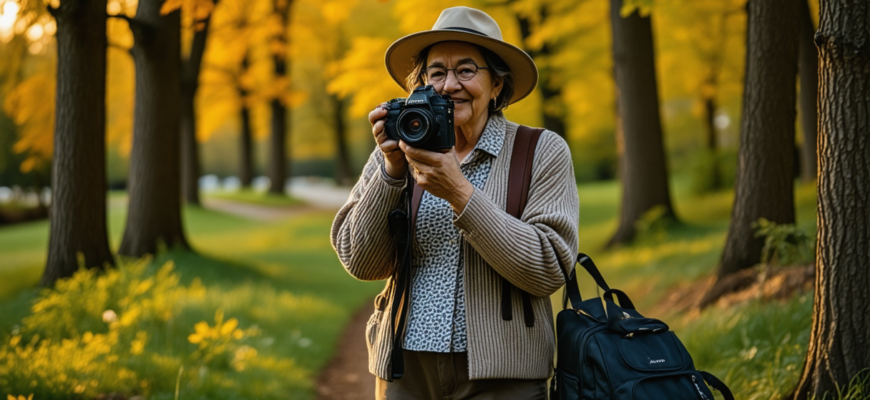
Embarking on a new creative journey after reaching 60 can profoundly impact one’s life, instilling a renewed sense of purpose, joy, and personal growth. Photography, as an art form and hobby, offers a unique avenue for self-expression, exploration, and connection with the world. Whether capturing the beauty of nature, documenting everyday life, or exploring artistic concepts, photography provides countless opportunities for seniors to stay active, mentally sharp, and socially engaged. This comprehensive guide explores how taking up photography after 60 can transform your lifestyle, enrich your passions, and foster a lifelong love for the creative process.
- Why Photography Is an Ideal Hobby for Seniors
- 1. Promotes Mental Engagement and Cognitive Health
- 2. Encourages Physical Activity and Mobility
- 3. Fosters Social Connections
- 4. Provides Emotional and Artistic Fulfillment
- Getting Started with Photography After 60
- 1. Choosing the Right Equipment
- 2. Learning Basic Photography Concepts
- 3. Practice and Experimentation
- Enhancing Photography Skills with Education and Inspiration
- 1. Enrolling in Workshops and Classes
- 2. Studying the Work of Great Photographers
- 3. Using Online Resources and Tutorials
- Creative Ideas for Photography Projects After 60
- 1. Nature and Landscape Photography
- 2. Portrait and Family Photography
- 3. Cityscapes and Urban Exploration
- 4. Still Life and Artistic Composition
- 5. Document Personal Journeys
- Technical Tips and Tricks for Senior Photographers
- 1. Maintaining Equipment
- 2. Optimizing Camera Settings
- 3. Using Editing Software
- 4. Creating a Photography Portfolio
- Overcoming Challenges and Staying Motivated
- 1. Addressing Physical Limitations
- 2. Staying Inspired
- 3. Preserving Privacy and Ethical Considerations
- Living a Fulfilling Life Through Photography After 60
- Personal Growth and Self-Discovery
- Creating a Legacy
- Community Engagement
- Embrace the Lens and Transform Your Life
- Additional Resources
Why Photography Is an Ideal Hobby for Seniors
1. Promotes Mental Engagement and Cognitive Health
Engaging in photography stimulates the brain by requiring concentration, creative thinking, and problem-solving. Learning new techniques, understanding camera settings, and composing shots challenge cognitive functions and can help reduce the risk of cognitive decline. The mental effort involved keeps the mind active and engaged, which is especially beneficial in later years.
2. Encourages Physical Activity and Mobility
Photography often involves walks in nature, visits to museums, or exploring urban landscapes. These activities promote physical movement, which is vital for maintaining health, flexibility, and mobility. Taking pictures outdoors can also encourage seniors to get fresh air and sunlight, improving overall well-being.
3. Fosters Social Connections
Joining photography clubs, workshops, or online communities allows seniors to connect with like-minded individuals. Sharing images, participating in photo walks, and participating in exhibitions create opportunities for social interaction and friendship, combating feelings of isolation.
4. Provides Emotional and Artistic Fulfillment
Photography enables personal storytelling and emotional expression. Capturing moments, emotions, and beauty helps individuals process experiences and find joy. The sense of achievement from creating compelling images contributes to psychological well-being and happiness.
Getting Started with Photography After 60
1. Choosing the Right Equipment
Starting with accessible and user-friendly gear makes the learning process enjoyable. Here are some options:
- Compact Cameras: Small, lightweight, easy to carry, and simple to operate.
- Digital Single-Lens Reflex (DSLR) Cameras: Offer greater control and image quality for those interested in advanced techniques.
- Mirrorless Cameras: Combine quality with portability, suitable for travelers and casual shooters.
- Smartphones: Modern smartphones feature sophisticated cameras, ideal for beginners and casual photography.
2. Learning Basic Photography Concepts
The foundation of good photography lies in understanding key principles:
| Concept | Description |
|---|---|
| Exposure | The amount of light reaching the camera sensor. Controlled by aperture, shutter speed, and ISO. |
| Aperture | The opening in the lens that controls light and depth of field. |
| Shutter Speed | The duration the shutter remains open, affecting motion blur and sharpness. |
| ISO | The sensitivity of the camera sensor to light. Higher ISO allows shooting in low light but may introduce noise. |
| Composition | Arranging elements within the frame to create balanced, engaging images. |
3. Practice and Experimentation
Regular practice helps develop an eye for detail and an understanding of technical settings. Experiment with different lighting conditions, angles, and subjects to discover personal style and preferences.
Enhancing Photography Skills with Education and Inspiration
1. Enrolling in Workshops and Classes
Many community centers, camera clubs, and online platforms offer courses tailored for beginners and seniors. Formal instruction accelerates learning and provides valuable feedback.
2. Studying the Work of Great Photographers
Analyzing photos by renowned artists can inspire creativity. Understanding their techniques and themes broadens artistic horizons.
3. Using Online Resources and Tutorials
Websites, forums, and YouTube channels provide tutorials on technical skills, editing, and creative projects. Accessibility to free or affordable content makes self-education feasible at any pace.
Creative Ideas for Photography Projects After 60
1. Nature and Landscape Photography
Capture the changing seasons, sunsets, wildlife, and macro shots of flowers. Nature photography offers tranquility and a chance to connect with the environment.
2. Portrait and Family Photography
Photograph family members, grandchildren, or friends. Creating a visual family history fosters connection and preserves memories.
3. Cityscapes and Urban Exploration
Explore architectural details, street scenes, and cultural landmarks. Urban photography reveals stories within everyday settings.
4. Still Life and Artistic Composition
Arrange objects, play with lighting, and experiment with abstract forms. Still life encourages creativity and emotional expression.
5. Document Personal Journeys
Use photography to record personal experiences, health journeys, hobbies, or volunteer activities. Visual storytelling can be therapeutic and empowering.
Technical Tips and Tricks for Senior Photographers
1. Maintaining Equipment
Regular cleaning and proper storage prolong the life of cameras and accessories. Investing in ergonomic grips or lightweight gear enhances comfort.
2. Optimizing Camera Settings
Auto modes are suitable for beginners, but understanding manual controls allows for greater creativity. Use preset modes for different scenes and conditions.
3. Using Editing Software
Lightroom, Photoshop, or free alternatives like GIMP enable post-processing to enhance images, correct exposure, and experiment with effects.
4. Creating a Photography Portfolio
Organize and showcase selected images online or in albums, providing a sense of accomplishment and a way to share work with friends and family.
Overcoming Challenges and Staying Motivated
1. Addressing Physical Limitations
Choose lightweight equipment, plan accessible locations, and take breaks during shoots to avoid fatigue.
2. Staying Inspired
Set achievable goals, participate in photo challenges, or join online communities to stay motivated and inspired.
3. Preserving Privacy and Ethical Considerations
Respect people’s privacy when photographing strangers; ask for permission when possible. Be mindful of sensitive subjects and cultural differences.
Living a Fulfilling Life Through Photography After 60
Personal Growth and Self-Discovery
Engaging in photography encourages continuous learning and exploration. It allows seniors to discover new interests and talents, fostering a sense of accomplishment.
Creating a Legacy
Photographs serve as tangible memories for future generations. Sharing images and stories can strengthen family bonds and create a lasting personal legacy.
Community Engagement
Participating in local exhibitions, online galleries, or community projects helps build social networks and offers opportunities for recognition and contribution.
Embrace the Lens and Transform Your Life
Taking up photography after 60 is more than just a hobby—it’s a pathway to personal development, social engagement, and creative fulfillment. Whether capturing the fleeting beauty of a sunset, documenting family moments, or exploring artistic expression, photography offers an accessible, enriching, and endlessly rewarding activity. With patience, practice, and curiosity, seniors can discover new perspectives, rekindle passions, and enjoy the vibrant world through their lens for many years to come.
Additional Resources
- Photography.com: Tips for Beginners
- Learn Photography Online Courses
- National Geographic Photography Inspiration
- Local or Online Photography Clubs and Communities
Похожие записи:
 Embracing Creativity After 60: How Taking Up Photography Can Transform Your Life
  Embrace the Thrill: Participating in Adventure Photography During Travel After 60
  Exploring Painting and Drawing for Relaxation: A Creative Path to Serenity After 60
  Discovering Cultural Festivals Abroad After 60: A Guide to Enriching Your Golden Years
  Discovering UNESCO World Heritage Sites After 60: A Guide to Enriching Travel in Your Golden Years
  Building a Legacy for Your Loved Ones: A Comprehensive Guide to Securing Your Life After 60
  Understanding and Managing Grief and Loss in Later Life: A Guide for Seniors
  Capturing Memories on Adventure Trips: Essential Tips for Seniors
  Exploring Remote Villages and Towns Globally: A Guide for Life After 60
  Farm Stays and Rural Experiences Abroad: A Guide for Life After 60
  Ultimate Guide: How to Start Backpacking After 60 and Embrace an Adventurous Life
  Generating Passive Income Streams in Retirement: A Comprehensive Guide for Life After 60
  Planning a Multi-Generational Adventure Trip: The Ultimate Guide for Life After 60
  Embracing Knowledge and Connection: Joining Book Clubs and Literary Discussions After 60
  Exploring Alternative Therapies for Wellness: A Guide for Life After 60
  The Benefits of Garden Therapy and Outdoor Activities for Seniors: Embracing Life After 60