
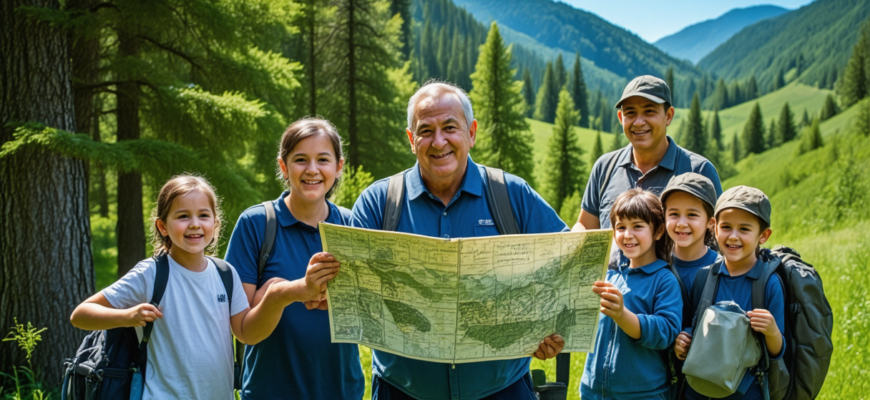
Embarking on a multi-generational adventure trip is a wonderful way to strengthen family bonds, create unforgettable memories, and explore the world together after reaching the milestone age of 60. As life after 60 often symbolizes newfound freedom, wisdom, and opportunities, planning such an adventure requires careful consideration to cater to diverse needs and interests. This comprehensive guide will assist senior travelers and their families in organizing an exciting, safe, and memorable journey that everyone will cherish forever.
- Why Choose a Multi-Generational Adventure Trip?
- Key Considerations in Planning a Multi-Generational Trip
- 1. Assessing the Needs and Preferences of All Participants
- 2. Choosing the Destination
- 3. Budget Planning
- Designing an Itinerary That Works for Everyone
- Balanced Daily Schedule Example
- Special Activities for Multi-Generational Travel
- Practical Tips for a Smooth Journey
- 1. Choosing Suitable Accommodation
- 2. Packing Smart
- 3. Ensuring Safety and Comfort
- 4. Health and Wellness Considerations
- Overcoming Common Challenges in Multi-Generational Travel
- Scheduling Conflicts
- Different Pace of Traveling
- Health Emergencies
- Enhancing the Experience with Technology
- Sample Multi-Generational Trip Planning Checklist
- Final Thoughts: Embrace the Spirit of Adventure After 60
Why Choose a Multi-Generational Adventure Trip?
Opting for a multi-generational trip offers numerous benefits not only for individual travelers but also for the entire family. These journeys foster connection, understanding, and shared experiences across different age groups. The decision to travel together after 60 can be motivated by various reasons:
- Creating Lasting Memories: Sharing adventures reinforces family bonds and provides stories to pass down through generations.
- Celebrating Milestones: Marking a significant birthday, retirement, or reunion with a collective experience.
- Learning and Discovery: Exposure to new cultures, environments, and activities enriches everyone’s perspectives.
- Supporting Elderly Members: Traveling in a group ensures care and assistance, making it safer and more enjoyable for seniors.
Key Considerations in Planning a Multi-Generational Trip
Preparation is essential to ensure the trip aligns with everyone’s interests, abilities, and expectations. Here are core aspects to focus on:
1. Assessing the Needs and Preferences of All Participants
Start by engaging every family member in the planning process. Gather information about:
- Physical capabilities and mobility restrictions
- Interest in cultural, outdoor, or leisure activities
- Accommodation preferences (luxury hotels, cozy lodges, vacation rentals)
- Dietary restrictions and health considerations
- Desired trip length and preferred travel style
2. Choosing the Destination
Destination selection is pivotal. Consider locations that cater to diverse interests and are accessible for all age groups. Popular options include:
| Destination | Highlights | Accessibility | Best Time to Visit |
|---|---|---|---|
| European River Cruises | Historical sites, scenic views, leisurely pace | High – accessible facilities on ships and ports | Spring and Fall |
| National Parks (e.g., Yellowstone, Banff) | Nature, wildlife, outdoor activities | Moderate – some hikes and outdoor activities may require planning | Summer |
| Beach Resorts in the Caribbean | Relaxation, water activities, cultural excursions | High – many resorts cater to seniors | Winter to early Spring |
| Cultural Cities (e.g., Rome, Paris, Prague) | Museums, historical sites, vibrant city life | Moderate to high – consider mobility options | Spring and Fall |
3. Budget Planning
Determining the budget early helps refine destination choices and travel arrangements. Consider:
- Travel costs (flights, train, bus)
- Accommodation expenses
- Activities and excursions
- Meal plans and dining
- Travel insurance
- Contingency fund for emergencies
Using a simple budget formula can help estimate total costs:
Total Trip Cost = (Travel + Accommodation + Activities + Food + Insurance + Miscellaneous) x Number of Participants
Designing an Itinerary That Works for Everyone
A well-balanced itinerary considers varied interests and energy levels. Incorporate a mix of activities that cater to different age groups and preferences. Use the following structure:
Balanced Daily Schedule Example
- Morning: Light sightseeing or cultural tours
- Afternoon: Leisure activities, rest, or optional tours
- Evening: Family dinners or local entertainment
Ensure flexibility: include free time for rest and spontaneous exploration.
Special Activities for Multi-Generational Travel
- Cooking classes
- Cultural workshops
- Outdoor adventures suitable for all ages (e.g., gentle hikes, boat rides)
- Local festivals or markets
- Photo scavenger hunts
Practical Tips for a Smooth Journey
Successful trips require practical planning. Here are essential tips:
1. Choosing Suitable Accommodation
- Opt for centrally located lodgings to minimize commuting
- Ensure accessibility features: ramps, elevators, grab bars
- Consider multi-room suites or vacation rentals for privacy and convenience
2. Packing Smart
- Prepare an essentials kit for health needs (medications, first aid)
- Include comfortable shoes, sun protection, and weather-appropriate clothing
- Carry entertainment options for downtime
3. Ensuring Safety and Comfort
- Arrange travel insurance covering medical emergencies
- Book accommodations with medical facilities nearby
- Plan for transportation that suits mobility needs
- Stay connected with local SIM cards or portable Wi-Fi
4. Health and Wellness Considerations
Prioritize health by consulting with healthcare providers before travel. Keep up with vaccinations if necessary, and carry a list of medications. Also, include options for wellness activities such as gentle yoga or spa sessions.
Overcoming Common Challenges in Multi-Generational Travel
Anticipate and address challenges to ensure a smooth adventure:
Scheduling Conflicts
Create a flexible itinerary that allows individual interests and needs, avoiding over-commitment.
Different Pace of Traveling
Plan rest days and choose activities that cater to slower and faster travelers alike.
Health Emergencies
Have a plan for medical assistance, carry necessary medications, and identify local healthcare facilities.
Enhancing the Experience with Technology
Leverage technology to boost comfort and connectivity:
- Use travel apps for navigation, language translation, and local attractions
- Share itineraries with all participants
- Download offline maps and guides for areas with poor signal
- Use wearable devices to track health metrics and safety
Sample Multi-Generational Trip Planning Checklist
| Task | Details | Deadline |
|---|---|---|
| Discuss and select destination | Gather preferences, narrow options | 6 months before |
| Set a budget | Estimate costs, decide who pays what | 6 months before |
| Book flights and accommodations | Secure best options early | 4-5 months before |
| Develop detailed itinerary | Include activities, rest, transport | 3 months before |
| Prepare health and safety arrangements | Medical checkups, insurance, necessary vaccinations | 2 months before |
| Create packing list | Include essentials for all ages | 2 weeks before |
| Confirm reservations and logistics | Transport, activities, special requests | 1 week before |
Final Thoughts: Embrace the Spirit of Adventure After 60
Planning a multi-generational trip after 60 is more than just logistics; it’s about celebrating life, family, and curiosity. This phase of life provides abundant opportunities for exploration, discovery, and sharing. Whether it’s a relaxed cruise, an outdoor wilderness adventure, or a cultural city tour, such journeys foster understanding and affection across generations. With thoughtful planning, flexibility, and an open heart, the adventure can become the highlight of one’s life after 60, creating stories and bonds that last a lifetime.
Remember, the key to a successful multi-generational trip lies in balance—balancing activities and rest, preferences and compromises, excitement and safety. As the saying goes, “It’s not the destination, but the journey” that enriches our lives. So start planning, and prepare to embark on a grand adventure that will be remembered forever.
Похожие записи:
 Planning a World Cruise for Retirees: Ultimate Guide to Exploring the Globe After 60
  Ultimate Guide: How to Start Backpacking After 60 and Embrace an Adventurous Life
  Ultimate Guide to Navigating Travel Health and Vaccination Requirements After 60
  Exploring Remote Villages and Towns Globally: A Guide for Life After 60
  Embrace Adventure: Learning New Water Sports During Your Travels After 60
  Cycling Trips for Active Seniors Seeking New Challenges: Unlocking Adventure After 60
  Farm Stays and Rural Experiences Abroad: A Guide for Life After 60
  Smart Strategies for Planning Long-Term Healthcare Needs After 60
  Embrace the Thrill: Participating in Adventure Photography During Travel After 60
  Discovering UNESCO World Heritage Sites After 60: A Guide to Enriching Travel in Your Golden Years
  Discovering Cultural Festivals Abroad After 60: A Guide to Enriching Your Golden Years
  Discovering Hidden Gems: How to Explore Off-the-Beaten-Path Destinations Safely After 60
  Mountain Trekking Adventures for Experienced Seniors: A Guide to Safe and Exciting Exploration After 60
  How to Pack Smart for Long-Term Travel: Essential Tips for Travelers Over 60
  Discover the Best Diving and Snorkeling Hotspots for Mature Travelers: A Complete Guide to Exploring Underwater Paradises After 60
  Unmissable Cultural Immersion Experiences for Mature Explorers: Embrace the World After 60