
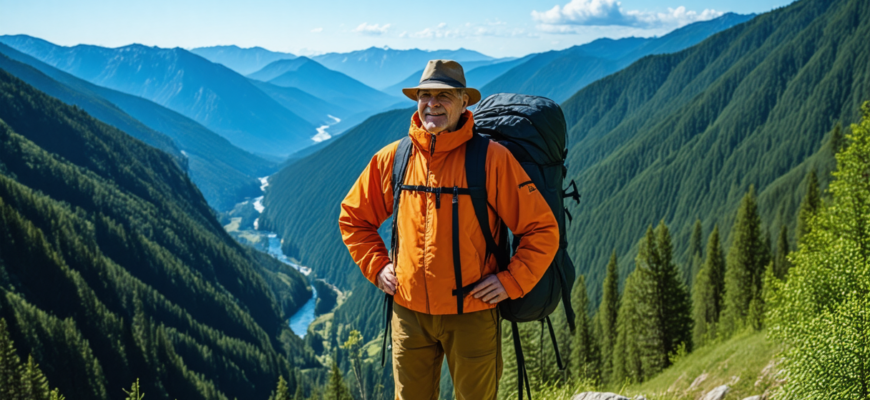
Embarking on backpacking adventures after the age of 60 may seem daunting at first, but with the right approach, mindset, and preparation, it can become one of the most rewarding chapters of life. Many seniors find that travel rejuvenates their spirit, broadens horizons, and offers new opportunities for social connections and personal growth. This comprehensive guide aims to provide all the essential information, practical tips, and motivating insights needed to turn the dream of backpacking into a safe and enjoyable reality for travelers over 60.
- Why Consider Backpacking After 60?
- Preparing for Backpacking After 60: Key Considerations
- Health and Medical Readiness
- Physical Fitness
- Choosing the Right Equipment
- Travel Insurance
- Financial Planning
- Developing a Safe and Enjoyable Backpacking Itinerary
- Start Small and Local
- Setting Realistic Goals
- Choosing Destinations
- Sample Itinerary Structure
- Practical Tips for Backpacking Seniors
- Managing Packing Light
- Health & Safety Tips
- Technology & Connectivity
- Social Engagement
- Financial & Legal Considerations
- Money Management
- Legal Documentation
- Staying Motivated and Overcoming Challenges
- Tips for Staying Motivated
- Inspirational Stories of Senior Backpackers
- Case Study: A 65-Year-Old Woman’s Camino de Santiago Journey
- Embarking on a New Adventure at 60+
Why Consider Backpacking After 60?
It is common for many to think that adventure travel is reserved for the young. However, in recent years, more seniors are taking up backpacking, driven by the desire to stay active, explore new cultures, and challenge personal limits. Here are a few compelling reasons to consider backpacking after 60:
- Enhances physical and mental well-being: Traveling keeps the body active and the mind engaged, reducing risks associated with sedentary lifestyles and cognitive decline.
- Fosters social connections: Backpacking provides opportunities to meet fellow travelers and locals, creating meaningful relationships.
- Offers personal growth: Overcoming travel challenges builds confidence, resilience, and a sense of achievement.
- Experiencing diverse cultures and landscapes: Broaden horizons and appreciate the richness of the world firsthand.
Preparing for Backpacking After 60: Key Considerations
Successful backpacking at an older age relies heavily on thorough preparation. Carefully planning your trip ensures safety, comfort, and enjoyment. Below are the most critical factors to consider:
Health and Medical Readiness
Prior to setting out, conduct a comprehensive health checkup with your healthcare provider. Discuss your travel plans and ensure vaccinations are up to date. Carry an up-to-date medical kit, including any prescribed medications, and make arrangements for emergency medical care at your destination.
- Obtain a letter from your doctor specifying your health conditions and medications.
- Identify nearby medical facilities at the destination.
- Learn basic first aid skills.
Physical Fitness
While backpacking after 60 is feasible, maintaining fitness helps prevent injuries and increases stamina. Incorporate regular physical activity into your routine, such as walking, stretching, or light strength training, before your trip.
Choosing the Right Equipment
Comfort and safety hinge on proper gear. Invest in lightweight, ergonomic, and weather-appropriate equipment. A well-fitted backpack, supportive footwear, moisture-wicking clothing, and a reliable sleeping bag make a significant difference.
Travel Insurance
Secure comprehensive travel insurance that covers medical emergencies, trip cancellations, theft, and loss of belongings. Confirm that coverage extends to health conditions specific to seniors.
Financial Planning
Create a detailed budget accounting for transportation, accommodation, food, activities, and emergencies. Consider travel-friendly financial arrangements like local currency or prepaid travel cards.
Developing a Safe and Enjoyable Backpacking Itinerary
Start Small and Local
If new to backpacking or returning after a long hiatus, begin with shorter trips within familiar regions. Explore local towns or nearby countries to gain confidence and experience.
Setting Realistic Goals
Determine what you want from your trip: cultural enrichment, nature exploration, or personal relaxation. Set daily activity levels that suit your stamina, avoiding overexertion.
Choosing Destinations
| Criteria | Suitable Destinations for Backpackers Over 60 |
|---|---|
| Healthcare Access | Countries with good medical infrastructure (e.g., Europe, Japan, Australia) |
| Climate | Moderate weather without extremes (e.g., Mediterranean regions, Pacific Northwest) |
| Safety & Security | Stable political situations with low crime rates |
| Language & Culture | Locations with language familiarity or excellent tourist support |
Sample Itinerary Structure
- Day 1-3: Arrival and acclimatization, gentle city tours
- Day 4-6: Cultural excursions, light hikes
- Day 7-9: Nature exploration, local markets
- Day 10-12: Rest days and optional activities
Practical Tips for Backpacking Seniors
Managing Packing Light
Effective packing means balancing necessities with manageable weight. Use packing cubes and list essentials to prevent overpacking.
Health & Safety Tips
- Aim for safe walking surfaces, avoid risky hikes without proper gear
- Stay hydrated and nourished
- Use sun protection, insect repellents, and appropriate clothing
- Avoid traveling alone in unsafe areas or at night
Technology & Connectivity
Learn to use maps, translation apps, and local transportation apps. Keep emergency contacts accessible, and consider offline maps for areas with poor internet.
Social Engagement
Join travel groups, workshops, or local clubs to meet fellow travelers. Consider guided tours designed for seniors to enhance safety and camaraderie.
Financial & Legal Considerations
Money Management
Carry multiple payment methods, keep cash secure, and inform your bank about travel plans to prevent card issues.
Legal Documentation
- Ensure your passport is valid for at least six months beyond travel dates
- Obtain necessary visas within required timeframes
- Keep copies of important documents stored separately from originals
Staying Motivated and Overcoming Challenges
Traveling after 60 can come with uncertainties, but the rewards far outweigh challenges. Maintain a positive outlook, listen to your body, and be flexible with plans. Remember, the essence of backpacking is exploration and joy, regardless of age.
Tips for Staying Motivated
- Focus on the purpose of your journey
- Celebrate small victories and milestones
- Share experiences with friends or social media to stay inspired
- Maintain a travel journal or blog
Inspirational Stories of Senior Backpackers
Numerous older travelers have shared inspiring tales of adventure, demonstrating that age is just a number. Their stories often include overcoming fears, discovering new passions, and making lifelong friendships.
Case Study: A 65-Year-Old Woman’s Camino de Santiago Journey
After retiring, Anna decided to walk the famous Camino trail in Spain. She prepared physically, packed light, and traveled with a supportive group of fellow seniors. Her journey lasted six weeks, filled with physical challenges but rich with cultural discovery and personal growth. Her story exemplifies that passion and preparation can lead to unforgettable adventures at any age.
Embarking on a New Adventure at 60+
Starting backpacking after 60 is about embracing life’s opportunities, maintaining curiosity, and pushing age-old stereotypes about limitations. By focusing on health, preparation, and realistic goals, seniors can enjoy safe, exhilarating journeys that enrich the mind, body, and soul. Remember, it’s never too late to chase new horizons and create lifelong memories through travel.
Whether it’s exploring historic cities, trekking mountain trails, or immersing in local traditions, the world awaits. Step out confidently, carry your essentials, and cherish every moment of your adventure — because life after 60 can be the most exciting chapter yet.
Похожие записи:
 Planning a World Cruise for Retirees: Ultimate Guide to Exploring the Globe After 60
  Exploring Remote Villages and Towns Globally: A Guide for Life After 60
  Mountain Trekking Adventures for Experienced Seniors: A Guide to Safe and Exciting Exploration After 60
  How to Pack Smart for Long-Term Travel: Essential Tips for Travelers Over 60
  Discovering Cultural Festivals Abroad After 60: A Guide to Enriching Your Golden Years
  Understanding and Managing Grief and Loss in Later Life: A Guide for Seniors
  Exploring Alternative Therapies for Wellness: A Guide for Life After 60
  The Importance of Routine Health Screenings: A Guide for Life After 60
  Embracing Solo Travel Adventures in Later Years: A Guide for the Over 60s
  Understanding and Managing Diabetes After 60: Essential Guide for a Healthy Life
  Managing Medication Safely in Older Age: Essential Tips for a Healthy Life After 60
  The Benefits of Regular Exercise for Seniors: Enhancing Life After 60
  The Benefits of Garden Therapy and Outdoor Activities for Seniors: Embracing Life After 60
  Building Resilience and Emotional Strength in Later Years: A Guide to Thriving After 60
  Exploring Holistic Approaches to Senior Wellness: A Guide to Thriving After 60
  Meditation and Mindfulness Practices for Stress Relief: A Guide for Those Over 60