
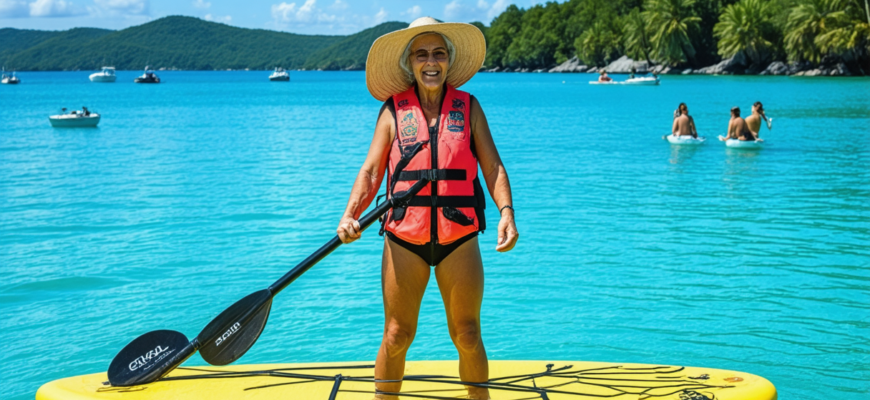
As life progresses beyond 60, many individuals find themselves with more free time, a desire for adventure, and a fresh perspective on health and well-being. Traveling offers not only the opportunity to explore new locations but also serves as a perfect occasion to try out exciting new activities — especially water sports. Diving into new water-based hobbies can boost physical health, enhance mental well-being, and create unforgettable memories. This comprehensive guide explores the benefits, types, safety tips, and practical advice on learning new water sports during your travels after 60.
- Why Try Water Sports After 60?
- Physical and Mental Benefits
- Popular Water Sports Suitable for Seniors
- Swimming and Water Aerobics
- Kayaking and Canoeing
- Stand-Up Paddleboarding (SUP)
- Snorkeling
- Scuba Diving
- Fishing
- Choosing the Right Water Sport During Travel
- Preparing for Water Sports: Practical Tips
- Health Checks and Consultation
- Light Conditioning and Practice
- Equipment and Clothing
- Learning and Technique
- Safety Tips for Water Sports after 60
- Enhancing the Travel Experience with Water Sports
- Sample Travel Destinations for Water Sports Enthusiasts over 60
- Embracing Water Sports After 60
- Remember:
Why Try Water Sports After 60?
Engaging in water sports after 60 has numerous advantages. These activities promote physical movement that is gentle yet effective, contributing to improved strength, flexibility, and balance. They also encourage social interaction, foster a sense of achievement, and provide a perfect way to connect with nature. Additionally, many water sports are adaptable to varying fitness levels, making them accessible and enjoyable for seniors.
Physical and Mental Benefits
- Enhanced cardiovascular health: Activities like swimming and kayaking increase heart rate without overstressing joints.
- Improved muscular strength: Paddling and water aerobics build muscle tone.
- Better balance and coordination: Water-based activities challenge stability in a low-impact environment.
- Stress relief: The calming effects of water and scenic environments reduce anxiety and improve mood.
- Social engagement: Group classes or local clubs foster new friendships and shared experiences.
Popular Water Sports Suitable for Seniors
The options for water sports are vast, yet some are particularly well-suited for seniors seeking fun, safe, and rewarding experiences. Here is a detailed overview of popular activities to consider during your travels.
Swimming and Water Aerobics
These are classic low-impact exercises. Swimming provides full-body workout while minimizing joint stress. Water aerobics classes often incorporate gentle movements tailored for older adults, helping improve flexibility, cardio health, and strength.
Kayaking and Canoeing
Kayaking offers an adventure in exploring lakes, rivers, or coastal waters at a relaxing pace. It enhances upper body strength and balance. Beginners can start with short, guided trips and gradually increase duration and complexity.
Stand-Up Paddleboarding (SUP)
Sup combines balance, core strength, and tranquility. Although it may seem challenging initially, many seniors pick up the skill quickly with proper instruction. It’s a peaceful way to enjoy nature and scenery.
Snorkeling
This activity allows close interaction with marine life, especially in warm climates. Beginners should use a simple mask and snorkel, and practice in calm, shallow waters. It is a safe way to explore underwater ecosystems.
Scuba Diving
More advanced, scuba diving offers an extraordinary underwater experience for those certified or willing to undergo training. Many dive centers cater to older divers, emphasizing safety and comfort.
Fishing
While not always considered a water sport, fishing on boats or shores can be both relaxing and engaging. It can also be combined with boating, cruising, and other water activities.
Choosing the Right Water Sport During Travel
When planning to learn a water sport while traveling, it’s vital to consider several factors to ensure safety and enjoyment:
| Factor | Considerations |
|---|---|
| Health & Fitness Level | Choose activities aligned with your current physical condition. Consult your doctor before starting new exercises. |
| Climate & Environment | Warm, calm waters are ideal for beginners. Avoid activities during rough weather or in strong currents. |
| Availability & Accessibility | Opt for locations with reputable instructors, accessible facilities, and suitable equipment. |
| Instruction & Supervision | Start with professional lessons to learn proper techniques and safety protocols. |
| Interest & Preference | Select activities that excite you, increasing motivation and longevity in practicing them. |
Preparing for Water Sports: Practical Tips
Health Checks and Consultation
Before diving into a new water activity, ensure your health allows it. Visit your doctor for a comprehensive assessment, especially if you have chronic conditions or mobility issues. Discuss your plans and get advice tailored to your health status.
Light Conditioning and Practice
Engage in basic exercises to improve balance, strength, and flexibility before your trip. Yoga, stretching, and walking can be beneficial in preparing your body for water sports.
Equipment and Clothing
- Appropriate swimwear: Comfortably fitting and suitable for the activity.
- Protective gear: Life jackets, helmets, or paddling gloves, depending on sport.
- Sunscreen and hats: Essential for outdoor activities.
- Footwear: Water shoes or non-slip sandals for safety on slippery surfaces.
Learning and Technique
Enroll in beginner classes or workshops. Focus on mastering basic techniques, safety measures, and relaxation strategies to enjoy your activities fully.
Safety Tips for Water Sports after 60
Safety is paramount. Implementing these guidelines will help minimize risks and maximize enjoyment:
- Always wear appropriate safety gear — life jackets, helmets, etc.
- Participate in supervised activities: Use trained instructors or guides.
- Stay within your limits: Avoid pushing beyond your comfort zone.
- Stay hydrated and protect yourself from the sun: Drink plenty of water and use sunscreen.
- Know the environment: Be aware of currents, tides, weather conditions, and local wildlife.
- Listen to your body: Rest when needed and stop if you feel unwell or tired.
- Have emergency plans: Carry a cellphone or communication device for emergencies.
Enhancing the Travel Experience with Water Sports
Combining water sports with travel enriches the experience, making each journey memorable. Whether exploring Caribbean islands through snorkeling, cruising along Norwegian fjords kayaking, or enjoying a quiet paddleboarding session in Southeast Asia, water activities expand the horizons of adventure in later life.
Sample Travel Destinations for Water Sports Enthusiasts over 60
- Hawaii, USA: Perfect for surfing, snorkeling, and kayaking amid stunning landscapes.
- Thailand: Offers opportunities for island hopping, diving, and paddleboarding.
- Costa Rica: Known for its lush rainforests and warm Pacific waters, ideal for water sports and ecotourism.
- Greek Islands: Great for sailing, snorkeling, and water aerobics in historical settings.
- French Riviera: Elegant cruising, swimming, and paddleboarding along scenic coastlines.
Embracing Water Sports After 60
Learning new water sports during travels after 60 can profoundly enhance quality of life, adding vitality, joy, and a sense of achievement. These activities promote physical health, mental well-being, and social connection—all vital components for a fulfilling and active retirement. With careful planning, appropriate safety measures, and a willingness to step outside comfort zones, seniors can discover the exciting world of water sports and make each journey an adventure worth remembering.
Remember:
- Consult your healthcare provider before starting new activities.
- Start with beginner-friendly classes and environments.
- Prioritize safety and listen to your body.
- Enjoy the process, embrace new experiences, and cherish the memories.
In the end, age is just a number, and adventure knows no age limit. Dive into new water sports during your travels and discover a whole new world of fun and exploration after 60!
Похожие записи:
 Ultimate Guide: How to Start Backpacking After 60 and Embrace an Adventurous Life
  Mountain Trekking Adventures for Experienced Seniors: A Guide to Safe and Exciting Exploration After 60
  Planning a World Cruise for Retirees: Ultimate Guide to Exploring the Globe After 60
  The Benefits of Regular Exercise for Seniors: Enhancing Life After 60
  Exploring Remote Villages and Towns Globally: A Guide for Life After 60
  Discovering Cultural Festivals Abroad After 60: A Guide to Enriching Your Golden Years
  Exploring New Fitness Trends for Seniors: Stay Active and Healthy After 60
  Exploring Holistic Approaches to Senior Wellness: A Guide to Thriving After 60
  Embracing a Positive Outlook for Aging Gracefully: Unlocking the Secrets to a Fulfilling Life After 60
  The Benefits of Garden Therapy and Outdoor Activities for Seniors: Embracing Life After 60
  Building Resilience and Emotional Strength in Later Years: A Guide to Thriving After 60
  How to Pack Smart for Long-Term Travel: Essential Tips for Travelers Over 60
  Staying Socially Connected to Enhance Mental Well-being After 60
  Exploring Alternative Therapies for Wellness: A Guide for Life After 60
  The Vital Role of Maintaining Independence and Mobility After 60
  Embracing Solo Travel Adventures in Later Years: A Guide for the Over 60s