
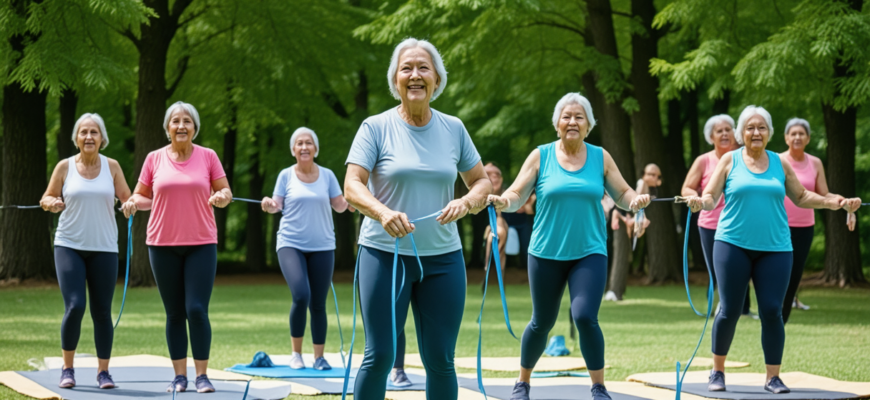
As the global population ages, more seniors are seeking ways to maintain their health, vitality, and independence. Regular physical activity becomes increasingly crucial in later years, not only for physical well-being but also for mental health, social engagement, and overall quality of life. In recent years, a variety of innovative fitness trends have emerged specifically tailored to the needs of seniors. These trends aim to make exercise accessible, enjoyable, and effective, empowering seniors to stay active well into their golden years. This comprehensive guide explores the latest fitness movements, technologies, and approaches designed for seniors over 60, providing insights into how they can incorporate these into their routines.
- Why Physical Activity Is Vital for Seniors
- Emerging Fitness Trends for Seniors
- 1. Virtual and Online Fitness Programs
- 2. Chair-Based and Seated Workouts
- 3. Mind-Body Practices: Yoga and Tai Chi
- Yoga
- Tai Chi
- 4. Functional Fitness Training
- 5. High-Tech Fitness Devices for Seniors
- Designing Effective Fitness Programs for Seniors
- Individual Assessment and Personalization
- Key Components of a Senior-Friendly Fitness Program
- Safety Tips for Seniors During Exercise
- Incorporating Social Aspects into Fitness
- Benefits of Social Exercise for Seniors
- Overcoming Barriers to Fitness in Older Age
- Summary and Future Outlook
Why Physical Activity Is Vital for Seniors
Engaging in regular exercise offers numerous benefits for older adults, including:
- Improved cardiovascular health: Reduces the risk of heart disease and stroke.
- Enhanced muscle strength and balance: Prevents falls and injuries.
- Better joint flexibility and mobility: Eases daily movements and reduces stiffness.
- Weight management: Helps control weight and prevent obesity.
- Mental health benefits: Decreases symptoms of depression and anxiety.
- Cognitive function: Supports memory, concentration, and problem-solving skills.
Despite these benefits, many seniors face barriers such as chronic pain, limited mobility, or lack of motivation. Thankfully, new trends in fitness are addressing these challenges by offering adaptable, engaging, and innovative options.
Emerging Fitness Trends for Seniors
1. Virtual and Online Fitness Programs
The advent of digital technology has revolutionized how seniors access fitness content. Virtual fitness platforms and online classes provide convenience, variety, and safety, especially important during times when face-to-face interaction may be limited. These programs include live classes and on-demand videos tailored specifically for seniors, often led by trainers specialized in working with older adults.
- Advantages include flexibility in scheduling.
- Accessible from home, reducing transportation barriers.
- Wide range of options, from yoga and tai chi to strength training and dance.
Popular platforms often use user-friendly interfaces with adjustable difficulty levels, and some even incorporate social features to foster community among participants.
2. Chair-Based and Seated Workouts
For seniors with mobility restrictions or joint issues, chair-based exercises are a safe and effective way to stay active. These workouts focus on improving strength, flexibility, and circulation without putting stress on the joints or requiring standing for long periods.
- Includes movements like seated leg lifts, arm curls, and torso twists.
- Can be incorporated into daily routines easily.
- Provides a sense of achievement and physical engagement.
Many fitness programs now include modified versions of traditional exercises, making them accessible to all levels.
3. Mind-Body Practices: Yoga and Tai Chi
Mind-body exercises have gained popularity for their holistic benefits. They promote physical health, mental relaxation, and emotional stability. Particularly suitable for seniors, these practices focus on gentle movements, breathing techniques, and mindfulness.
Yoga
Yoga offers modified poses to enhance flexibility, balance, and strength. It also helps reduce stress and improve breathing capacity.
Tai Chi
This ancient Chinese martial art emphasizes slow, flowing movements that improve balance, coordination, and mental focus. Its low-impact nature makes it ideal for older adults.
4. Functional Fitness Training
Functional fitness focuses on exercises that mimic daily activities, improving strength and endurance for everyday tasks. Examples include lifting groceries, climbing stairs, and bending down to tie shoelaces.
- Equipment used often minimal—such as resistance bands or body weight.
- Designed to enhance independence and reduce fall risk.
- Involves simple, straightforward movements adaptable to individual needs.
5. High-Tech Fitness Devices for Seniors
Wearable technology, smart home devices, and interactive fitness apps are increasingly catering to older adults. These tools help monitor health metrics, motivate activity, and ensure safety.
| Device/Technology | Features | Benefits for Seniors |
|---|---|---|
| Fitness trackers | Step counting, heart rate monitoring, sleep tracking | Encourages activity, tracks progress, detects irregularities |
| Interactive exercise mirrors | Real-time feedback, guided workouts | Engages users with visual instruction, improves technique |
| Voice-activated assistants | Reminders, health tips, emergency alerts | Supports independence, provides safety and reassurance |
Designing Effective Fitness Programs for Seniors
Individual Assessment and Personalization
Before starting a new exercise routine, a comprehensive health assessment by healthcare professionals is essential. Understanding personal health limitations, goals, and preferences allows for customizing workouts that are safe and achievable.
Key Components of a Senior-Friendly Fitness Program
- Warm-up Phase: Gentle stretching and light cardio to prepare the body.
- Main Workout: Combining strength, balance, flexibility, and aerobic exercises.
- Cool-down: Slower movements and stretching to relax muscles.
Safety Tips for Seniors During Exercise
- Always consult with a healthcare provider before beginning a new exercise regime.
- Stay hydrated and avoid overheating.
- Wear comfortable, supportive clothing and footwear.
- Listen to the body and avoid pushing through pain.
- Perform exercises in a safe, clutter-free environment.
Incorporating Social Aspects into Fitness
Group classes, social clubs, and online communities enhance motivation and foster social belonging. Exercise can be a joyful activity shared with friends, family, or new acquaintances, combatting loneliness and promoting mental well-being.
Benefits of Social Exercise for Seniors
- Increased adherence to routines.
- Enhanced mood and reduced feelings of isolation.
- Opportunities for making new friends.
- Shared accountability and encouragement.
Overcoming Barriers to Fitness in Older Age
Common barriers include chronic health issues, fear of injury, lack of motivation, or limited access to facilities. Addressing these involves:
- Developing gentle, progressive exercise plans.
- Providing education on safety and benefits.
- Enhancing accessibility through community programs and home-based options.
- Offering motivational support from trainers and peers.
Summary and Future Outlook
The landscape of senior fitness is rapidly evolving, driven by technological innovation, a better understanding of aging, and a desire for active, independent living. The novel trends outlined above are making it easier than ever for seniors to enjoy the myriad benefits of regular physical activity. As research continues and new modalities emerge, older adults can look forward to a future where staying fit is accessible, safe, and enjoyable, empowering them to live their best lives well after 60.
Staying active after 60 is fundamental to maintaining health, independence, and happiness. By embracing the latest fitness trends—ranging from digital workouts and mind-body practices to high-tech devices and functional training—seniors can find the most suitable and enjoyable ways to move their bodies. The key lies in personalized programs designed with safety, effectiveness, and enjoyment in mind. The journey to lifelong health and vitality is ongoing, and with the right approach, seniors can thrive physically, mentally, and socially, celebrating their golden years with strength and confidence.
Похожие записи:
 The Benefits of Regular Exercise for Seniors: Enhancing Life After 60
  Exploring Alternative Therapies for Wellness: A Guide for Life After 60
  Understanding and Managing Grief and Loss in Later Life: A Guide for Seniors
  Effective Tips for Maintaining Healthy Bones and Joints After 60
  Achieving Harmony: Balancing Work and Relaxation for Well-Being After 60
  Understanding and Managing Diabetes After 60: Essential Guide for a Healthy Life
  Managing Medication Safely in Older Age: Essential Tips for a Healthy Life After 60
  Embracing a Positive Outlook for Aging Gracefully: Unlocking the Secrets to a Fulfilling Life After 60
  The Transformative Power of Volunteering: Enhancing Senior Mental Health
  The Role of Pets in Senior Health and Happiness: How Animals Bring Joy and Well-Being in Later Years
  The Importance of Dental Health After 60: Ensuring a Bright and Healthy Future
  The Impact of Social Activities on Mental Health After 60
  Building Resilience and Emotional Strength in Later Years: A Guide to Thriving After 60
  Staying Socially Connected to Enhance Mental Well-being After 60
  Meditation and Mindfulness Practices for Stress Relief: A Guide for Those Over 60
  The Importance of Routine Health Screenings: A Guide for Life After 60