As individuals step into their golden years, they often seek meaningful ways to stay engaged, maintain their vitality, and foster a sense of purpose. Volunteering emerges as a rewarding activity that not only supports communities but also significantly boosts mental health among seniors. In this comprehensive guide, explore the numerous benefits volunteering offers to seniors, backed by research, practical insights, and inspiring stories that highlight how giving back can transform lives after 60.
- Understanding the Importance of Mental Health in Later Years
- The Psychological Benefits of Volunteering for Seniors
- 1. Reduction of Loneliness and Social Isolation
- 2. Enhancement of Self-Esteem and Self-Worth
- 3. Cognitive Stimulation and Mental Engagement
- 4. Relief from Depression and Anxiety
- Physical Benefits Linked to Volunteering
- The Social Dynamics of Volunteering and their Impact
- Popular Volunteering Opportunities for Seniors
- How to Get Started with Volunteering in Retirement
- Assess Personal Interests and Skills
- Explore Local Opportunities
- Consider Flexibility and Physical Limitations
- Engage Family and Friends
- Potential Challenges and How to Overcome Them
- Strategies for Overcoming Barriers
- Measuring the Impact of Volunteering on Mental Health
- Long-Term Benefits of Volunteering After 60
- Extended Lifespan and Improved Quality of Life
- Strengthening Community Ties
- Personal Growth and Lifelong Learning
- Inspiring Stories of Senior Volunteers
- Case Study 1: Jane’s Journey from Retirement to Community Champion
- Case Study 2: Seniors Saving the Environment
Understanding the Importance of Mental Health in Later Years
Maintaining mental health is crucial at any age, but it becomes especially vital during the senior years. Age-related changes such as declining physical health, loss of loved ones, and retirement can lead to feelings of loneliness, depression, and decreased cognitive function. These challenges underscore the importance of intentional activities that promote psychological well-being.
Good mental health enables seniors to enjoy independence, engage fully in daily activities, and experience life with resilience and optimism. Volunteering, as an active and social pursuit, can play a key role in supporting mental health by encouraging social interaction, fostering a sense of purpose, and providing mental stimulation.
The Psychological Benefits of Volunteering for Seniors
1. Reduction of Loneliness and Social Isolation
Many seniors face loneliness due to decreased social contacts or relocation. Volunteering connects seniors with others, creating opportunities for social interaction. Engaging in group activities, community projects, or mentoring opportunities helps build new friendships and social networks, combating feelings of loneliness and social isolation.
2. Enhancement of Self-Esteem and Self-Worth
Contributing to society grants seniors a sense of accomplishment and purpose. Whether it’s mentoring young people, assisting at local shelters, or participating in community clean-up efforts, volunteers often experience increased self-esteem. This sense of giving back validates their skills and experiences, reinforcing their self-worth.
3. Cognitive Stimulation and Mental Engagement
Volunteering activities often require problem-solving, communication, planning, and critical thinking. These mental exercises help keep the brain active, which is crucial in delaying cognitive decline and reducing risks of dementia. Engaging in diverse activities stimulates different areas of the brain, promoting neuroplasticity and mental agility.
4. Relief from Depression and Anxiety
Participating in meaningful activities like volunteering can mitigate symptoms of depression and anxiety prevalent among older adults. The act of helping others fosters positive emotions, provides distraction from personal worries, and instills a sense of hope and optimism.
Physical Benefits Linked to Volunteering
While the focus here is on mental health, it’s important to recognize the intertwined nature of physical and psychological well-being. Volunteering often involves physical activity—walking, gardening, moving supplies—that helps improve fitness levels, vitality, and overall mood. Physical exercise releases endorphins, natural mood lifters, which further enhance mental health.
The Social Dynamics of Volunteering and their Impact
Humans are inherently social creatures. Activities that foster social bonds contribute remarkably to emotional stability. Participation in community service brings about shared goals, teamwork, and mutual support, which are essential for mental resilience in later years.
Popular Volunteering Opportunities for Seniors
- Mentoring and Tutoring: Sharing experience with youth or newcomers helps preserve skills and provides meaningful interaction.
- Helping at Food Banks and Shelters: Assisting in distributing food and essentials nurtures compassion and community spirit.
- Animal Assistance: Walking dogs at shelters or caring for animals offers joy and physical activity.
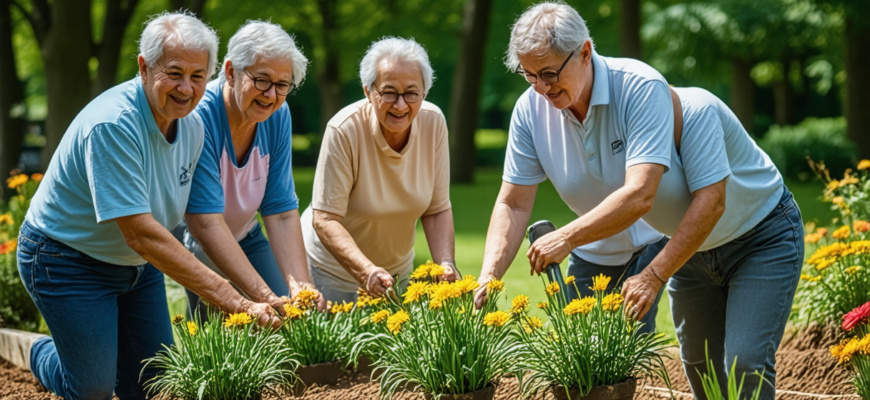
- Environmental Projects: Participating in park clean-ups, gardening, and conservation efforts connects seniors with nature.
- Fundraising and Awareness Campaigns: Supporting causes aligns goals with social change, boosting purpose.
How to Get Started with Volunteering in Retirement
Assess Personal Interests and Skills
Understanding what activities bring joy and where personal skills can be utilized enhances the volunteering experience. For example, if an individual has a background in education, tutoring could be fulfilling.
Explore Local Opportunities
Many communities offer volunteer programs tailored for seniors. Visiting community centers, websites of charitable organizations, or online volunteer portals can help identify suitable roles.
Consider Flexibility and Physical Limitations
Choose opportunities that match physical ability and schedule constraints. Many organizations offer remote or low-impact volunteer roles that still provide significant mental health benefits.
Engage Family and Friends
Volunteering can be more enjoyable when done with loved ones. Group activities foster deeper bonds and shared purpose, fostering a stronger social network.
Potential Challenges and How to Overcome Them
Despite the numerous advantages, some seniors may face barriers to volunteering, such as health issues, transportation difficulties, or lack of confidence. Addressing these barriers is essential for encouraging participation.
Strategies for Overcoming Barriers
- Health Considerations: Select activities compatible with current health status and consult with healthcare providers.
- Transportation Solutions: Use community shuttle services, carpools, or volunteer at places within walking distance.
- Building Confidence: Start with small, manageable volunteer tasks to gradually increase engagement.
- Career of Support: Connect with senior-focused volunteer programs that provide tailored guidance and mentorship.
Measuring the Impact of Volunteering on Mental Health
Research indicates that seniors who actively volunteer demonstrate significant improvements in psychological well-being. These benefits can be quantitatively assessed through various metrics:
| Aspect | Measurable Outcomes |
|---|---|
| Social connectedness | Number of new contacts, frequency of social interactions |
| Self-esteem | Scores on self-worth and confidence scales |
| Mood | Reduction in depression and anxiety symptoms, measured via standardized scales like GDS (Geriatric Depression Scale) |
| Cognitive Function | Scores on memory or problem-solving tests |
| Physical Health | Mobility, cardiovascular health indicators, energy levels |
Long-Term Benefits of Volunteering After 60
Extended Lifespan and Improved Quality of Life
Multiple studies correlate active engagement in volunteering with longer lifespan and higher quality of life. Seniors report feeling more energetic, less depressed, and more satisfied with their daily routines when they partake in regular community service.
Strengthening Community Ties
Volunteering fosters a stronger sense of belonging and community cohesion, which benefits not just the individual but the entire society.
Personal Growth and Lifelong Learning
Continued volunteering keeps the mind curious and open to new experiences, encouraging lifelong learning and adaptation to changing circumstances.
Inspiring Stories of Senior Volunteers
Case Study 1: Jane’s Journey from Retirement to Community Champion
After retiring, Jane found purpose in volunteering at her local library, helping children with reading programs. Her involvement not only boosted her social life but also revitalized her mental alertness and confidence, demonstrating how purposeful activity can lead to renewed zest for life.
Case Study 2: Seniors Saving the Environment
A group of seniors participating in neighborhood parks’ restoration projects reported improved mood, physical activity levels, and a sense of accomplishment. Their stories highlight that age is no barrier to making a tangible difference.
Volunteering after 60 offers a powerful means to enhance mental health, foster social connections, and enrich life with purpose and joy. By engaging in community service activities, seniors not only contribute to society but also unlock numerous psychological and physical benefits that support healthy, fulfilling aging. Embracing opportunities for volunteer work can truly be a transformative step toward a vibrant, meaningful later life.
With the right support, openness, and willingness to give, retirement can become a time of continued growth, connection, and happiness—powered by the noble act of helping others.
Похожие записи:
 Staying Socially Connected to Enhance Mental Well-being After 60
  The Benefits of Regular Exercise for Seniors: Enhancing Life After 60
  Achieving Harmony: Balancing Work and Relaxation for Well-Being After 60
  The Importance of Routine Health Screenings: A Guide for Life After 60
  Meditation and Mindfulness Practices for Stress Relief: A Guide for Those Over 60
  Exploring Alternative Therapies for Wellness: A Guide for Life After 60
  Managing Medication Safely in Older Age: Essential Tips for a Healthy Life After 60