
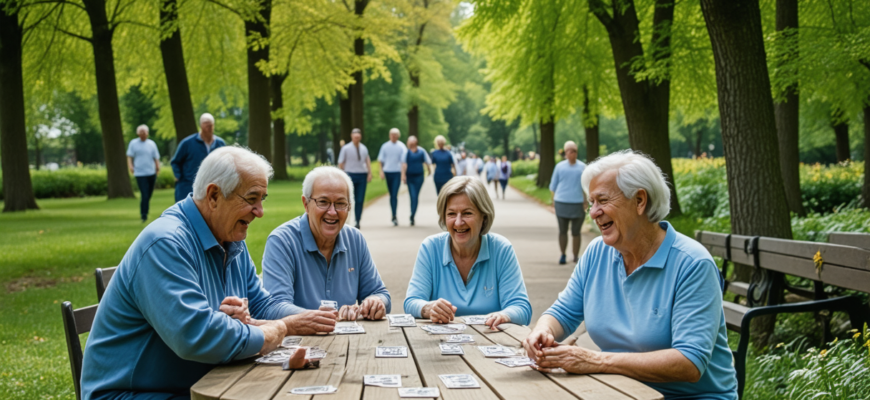
As individuals age beyond 60, maintaining mental health becomes an increasingly important aspect of quality of life. Numerous studies have demonstrated that social activities play a significant role in promoting mental well-being among older adults. Engaging in a variety of social interactions not only enriches daily life but also helps prevent cognitive decline, reduces feelings of loneliness, and fosters a sense of purpose. This comprehensive article explores how social activities influence mental health after 60, examines the benefits, challenges, and offers practical tips to incorporate meaningful social engagement into everyday life.
- Understanding Mental Health in Older Adults
- The Role of Social Activities in Enhancing Mental Health
- 1. Combatting Loneliness and Social Isolation
- 2. Boosting Cognitive Function
- 3. Reducing Stress and Improving Mood
- 4. Providing a Sense of Purpose and Identity
- Types of Social Activities Beneficial for Mental Health
- 1. Social Clubs and Community Groups
- 2. Volunteering and Civic Engagement
- 3. Exercise and Movement-Based Activities
- 4. Family and Friend Connections
- Challenges in Maintaining Social Engagement After 60
- Practical Strategies to Promote Social Engagement
- 1. Leverage Technology
- 2. Incorporate Routine Social Activities
- 3. Seek Support and Guidance
- 4. Foster Intergenerational Connections
- Quantitative Evidence of Social Activities’ Impact
- Useful Formulas and Metrics for Measuring Mental Health and Social Engagement
- 1. Social Engagement Index (SEI)
- 2. Mental Health Assessment Tools
Understanding Mental Health in Older Adults
Mental health in seniors encompasses emotional, psychological, and social well-being. It affects how individuals think, feel, and behave, and influences how they handle stress, relate to others, and make choices. Common mental health issues among older adults include depression, anxiety, and cognitive decline. While aging brings natural changes, maintaining mental health requires conscious effort and support.
Research indicates that social factors are crucial contributors to mental health. Isolation and loneliness can exacerbate mental health issues, while active social engagement can serve as a protective factor.
The Role of Social Activities in Enhancing Mental Health
1. Combatting Loneliness and Social Isolation
Loneliness is a significant concern for seniors, often linked to depression and cognitive decline. Participating in social activities provides opportunities for meaningful interactions, reducing feelings of loneliness. Regular engagement creates a sense of belonging and connection, which is vital for emotional stability.
2. Boosting Cognitive Function
Engaging in group activities such as board games, book clubs, or learning new skills challenges the brain. These activities stimulate neural pathways, help maintain cognitive resilience, and delay age-related decline.
Studies have shown that seniors involved in social and intellectually stimulating activities exhibit better memory, attention, and processing speeds.
3. Reducing Stress and Improving Mood
Social engagement triggers the release of endorphins and oxytocin—hormones responsible for feelings of happiness and bonding. This hormonal response alleviates stress, anxiety, and symptoms of depression.
Conversely, social isolation is associated with higher stress levels and poorer mental health outcomes.
4. Providing a Sense of Purpose and Identity
Participation in community projects, volunteering, or social clubs bestows a sense of purpose. Feeling useful and valued supports self-esteem and provides motivation to stay active and engaged.
Types of Social Activities Beneficial for Mental Health
1. Social Clubs and Community Groups
- Book clubs
- Gardening groups
- Arts and crafts classes
- Religious or spiritual groups
- Language or educational courses
2. Volunteering and Civic Engagement
Contributing time and skills to local charities, schools, or civic organizations fosters a sense of contribution and community ownership.
3. Exercise and Movement-Based Activities
- Walking groups
- Dance classes
- Yoga or tai chi sessions
Physical activity combined with social interaction has a compounded positive effect on mental health.
4. Family and Friend Connections
Maintaining regular contact with loved ones via visits, phone calls, or video chats sustains emotional bonds.
Challenges in Maintaining Social Engagement After 60
While social activities are beneficial, various barriers can hinder participation for older adults:
- Health Issues: Chronic illnesses, mobility limitations, or sensory impairments can restrict mobility.
- Transport Difficulties: Limited access to transportation hampers the ability to attend activities.
- Loss of Loved Ones: Bereavement reduces social circles and can lead to feelings of loneliness.
- Psychological Barriers: Anxiety, depression, or low self-esteem may deter engagement.
Overcoming these barriers requires tailored solutions, support from family and community, and adaptability.
Practical Strategies to Promote Social Engagement
1. Leverage Technology
Online platforms enable seniors to connect with friends, participate in virtual hobbies, or join online communities. Video calls, social media, and specialized apps are valuable tools.
2. Incorporate Routine Social Activities
- Set regular times for walks with friends or family.
- Join local clubs or attend community events periodically.
- Volunteer regularly to build a structured routine.
3. Seek Support and Guidance
Senior centers, community organizations, and healthcare providers can facilitate access to social programs tailored for older adults.
4. Foster Intergenerational Connections
Engaging with younger generations through mentoring, storytelling, or joint projects enriches social life and provides mutual learning opportunities.
Quantitative Evidence of Social Activities’ Impact
| Study / Source | Key Findings | Implications |
|---|---|---|
| Hugo et al., 2013 | Engagement in social activities reduces depression risk by 30% in seniors. | Encourages participation as part of mental health strategies. |
| Fratiglioni et al., 2000 | Social networks are linked to a 25% lower risk of dementia. | Highlights cognitive benefits of social life. |
| Bassuk et al., 1999 | Social isolation correlates with increased mortality risk in older adults. | Emphasizes the importance of social bonds for longevity. |
Useful Formulas and Metrics for Measuring Mental Health and Social Engagement
1. Social Engagement Index (SEI)
This index quantifies participation across various social activities:
SEI = (Number of social activities participated in per week) / (Maximum possible activities)
*Range: 0 to 1, where higher values indicate greater social engagement.*
2. Mental Health Assessment Tools
- Geriatric Depression Scale (GDS)
- Hospital Anxiety and Depression Scale (HADS)
- Mini-Mental State Examination (MMSE)
These tools help monitor mental health status over time and measure the effectiveness of social interventions.
Social activities significantly influence mental health after 60, offering protection against depression, cognitive decline, and feelings of loneliness. Incorporating diverse forms of social engagement into daily routines enhances emotional resilience, fosters community bonds, and provides a sense of purpose. Overcoming barriers through technology, community involvement, and family support is essential for sustaining active social lives. Ultimately, a proactive approach to social participation is integral to leading a fulfilling, healthy life after 60. As the saying goes, “Connected minds foster happier lives,” particularly in the golden years.
Похожие записи:
 The Transformative Power of Volunteering: Enhancing Senior Mental Health
  Staying Socially Connected to Enhance Mental Well-being After 60
  Building Resilience and Emotional Strength in Later Years: A Guide to Thriving After 60
  Achieving Harmony: Balancing Work and Relaxation for Well-Being After 60
  Embracing a Positive Outlook for Aging Gracefully: Unlocking the Secrets to a Fulfilling Life After 60
  The Benefits of Regular Exercise for Seniors: Enhancing Life After 60
  The Importance of Routine Health Screenings: A Guide for Life After 60
  The Importance of Dental Health After 60: Ensuring a Bright and Healthy Future
  Meditation and Mindfulness Practices for Stress Relief: A Guide for Those Over 60
  Exploring Alternative Therapies for Wellness: A Guide for Life After 60
  Managing Medication Safely in Older Age: Essential Tips for a Healthy Life After 60
  Smart Strategies for Planning Long-Term Healthcare Needs After 60
  Effective Tips for Maintaining Healthy Bones and Joints After 60