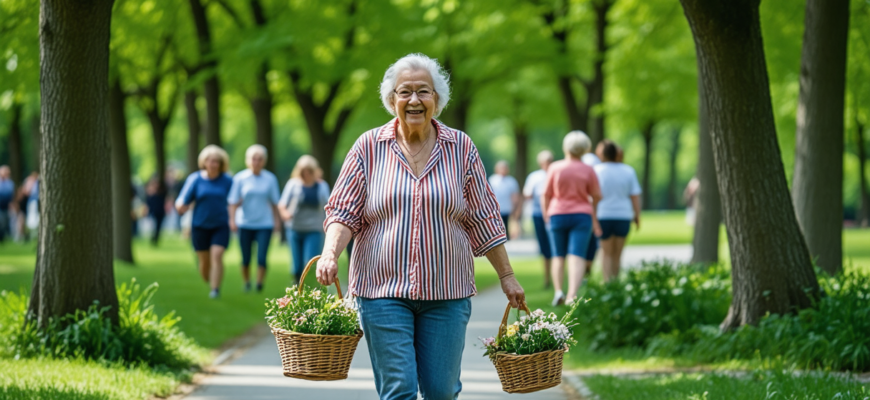
Aging is an inevitable part of life’s journey. As the years advance, many individuals experience profound changes—physically, emotionally, and socially. However, embracing these changes with a positive outlook can significantly enhance quality of life, fostering happiness, health, and resilience well into older age. This comprehensive guide explores how cultivating a positive mindset, maintaining active lifestyles, and adopting healthy habits can help individuals age gracefully and enjoy their golden years to the fullest.
- Understanding Aging: Beyond the Stereotypes
- The Power of a Positive Mindset in Later Years
- Benefits of Positivity in Old Age
- How to Cultivate Positivity
- Physical Activity: The Cornerstone of Graceful Aging
- Why Exercise Matters After 60
- Types of Beneficial Exercises
- Creating a Sustainable Exercise Routine For sustainable results, older adults should aim for at least 150 minutes of moderate-intensity aerobic activity weekly, coupled with muscle-strengthening activities twice weekly. It’s crucial to consult healthcare providers before starting any new exercise regimen, especially for individuals with existing health conditions. Nutritional Strategies for Aging Gracefully Essential Nutrients for Older Adults Proper nutrition supports physical health, cognitive function, and energy levels. Key nutrients include: Calcium and Vitamin D: Maintain bone strength Protein: Support muscle mass and repair Omega-3 Fatty Acids: Promote heart and brain health Antioxidants (Vitamin C, E, Selenium): Combat cellular aging and inflammation Fiber: Aid digestion and prevent chronic diseases Healthy Eating Tips Incorporate a variety of colorful fruits and vegetables into meals. 2>Choose lean proteins such as fish, poultry, beans, and nuts. 3>Limit processed foods, sugar, and saturated fats. 4>Stay hydrated by drinking plenty of water. 5>Consider dietary supplements if recommended by healthcare providers. Maintaining Mental Sharpness and Emotional Resilience Cognitive Engagement and Learning Continuously stimulating the brain through learning, hobbies, and social interactions helps preserve cognitive functions. Strategies include reading, puzzles, new language acquisition, or picking up new skills. Building Emotional Resilience Resilience involves adapting to life’s changes with a sense of purpose. Techniques such as mindfulness meditation, journaling, and seeking social support strengthen mental health and foster a positive outlook. Combating Memory Loss and Cognitive Decline Stay Mentally Active: Engage in challenging activities regularly. Ensure Adequate Sleep: Restorative sleep is vital for cognitive health. Maintain Physical Activity: Exercise benefits brain function. Manage Stress: Chronic stress accelerates cognitive decline. Building a Fulfilling Social Life After 60 The Importance of Social Connections Strong social ties are linked to longer, healthier lives. They provide emotional support, reduce loneliness, and boost overall happiness. Engaging in community activities, volunteering, or joining clubs fosters meaningful relationships. Overcoming Social Barriers Join local groups or online communities aligned with personal interests. 2>Participate in hobby classes or wellness workshops. 3>Use technology to stay connected with family and friends. 4>Seek support through counseling or social services if feelings of isolation persist. Healthy Habits for a Fulfilling Life After 60 Sleep Hygiene Quality sleep is essential for physical and mental restoration. Establish a consistent bedtime, create a relaxing environment, and limit screen time before sleeping. Avoiding Harmful Habits Limit alcohol consumption. Avoid smoking and substance abuse. Manage medications carefully under medical supervision. Planning for the Future Financial planning, legal preparations, and health directives ensure peace of mind. Staying informed about healthcare options and advanced care planning helps maintain autonomy and dignity. Aging with Grace and Positivity Aging gracefully is a multifaceted process that involves nurturing physical health, cultivating mental resilience, fostering social connections, and maintaining a hopeful outlook. Embracing the natural changes of aging as opportunities for growth and new experiences transforms later years into a fulfilling and joyful phase of life. By adopting healthy habits and a positive mindset, individuals can not only extend their lifespan but also enhance their quality of life, making the most of every moment beyond 60. References and Further Reading While this article provides comprehensive guidance, consulting healthcare professionals and participating in community programs can offer personalized support tailored to individual needs. Continuing education through reputable sources on aging, health, and wellness empowers seniors to make informed decisions and live vibrantly. Empowerment Through Knowledge and Action Remember, aging gracefully is about mindset, habits, and community. Each step taken towards health, happiness, and connection contributes to a life rich with purpose and joy. Embrace this stage with optimism, curiosity, and confidence, and age not just with dignity but with enthusiasm for all that lies ahead.
- Nutritional Strategies for Aging Gracefully
- Essential Nutrients for Older Adults
- Healthy Eating Tips
- Maintaining Mental Sharpness and Emotional Resilience
- Cognitive Engagement and Learning
- Building Emotional Resilience
- Combating Memory Loss and Cognitive Decline
- Building a Fulfilling Social Life After 60
- The Importance of Social Connections
- Overcoming Social Barriers
- Healthy Habits for a Fulfilling Life After 60
- Sleep Hygiene
- Avoiding Harmful Habits
- Planning for the Future
- Aging with Grace and Positivity
- References and Further Reading
- Empowerment Through Knowledge and Action
Understanding Aging: Beyond the Stereotypes
Aging is often misunderstood or negatively stereotyped, associated with decline, dependence, or loss. In reality, aging is a dynamic process characterized by growth, adaptation, and accumulated wisdom. The way individuals approach aging influences their physical health, mental well-being, and overall life satisfaction.
Research has shown that maintaining a positive outlook can improve longevity and reduce the risk of age-related diseases. It fosters resilience against challenges, enhances social connections, and promotes mental agility. Recognizing aging as a natural and potentially rewarding phase of life opens the door to embracing new opportunities and fulfilling ambitions.
The Power of a Positive Mindset in Later Years
Benefits of Positivity in Old Age
- Improved Physical Health: Optimistic individuals tend to have better immune function, lower blood pressure, and reduced risk of cardiovascular diseases.
- Enhanced Mental Well-being: A positive outlook correlates with lower levels of depression and anxiety.
- Greater Social Engagement: Maintaining a cheerful attitude encourages social interactions, combating loneliness.
- Resilience to Stress: Optimists are better equipped to handle physical and emotional stressors.
How to Cultivate Positivity
- Practice Gratitude: Regularly acknowledging what is good in life shifts focus from problems to blessings.
- Engage in Positive Self-talk: Replacing negative thoughts with encouraging affirmations boosts self-esteem.
- Surround Yourself with Supportive People: Healthy, uplifting relationships reinforce a positive outlook.
- Stay Mindful and Present: Mindfulness techniques increase awareness and appreciation of current experiences.
- Set Achievable Goals: Working towards meaningful objectives fosters purpose and motivation.
Physical Activity: The Cornerstone of Graceful Aging
Why Exercise Matters After 60
Physical activity plays a pivotal role in aging gracefully. It supports muscle strength, joint flexibility, heart health, and balance. Furthermore, regular movement improves mood, cognitive function, and energy levels. Incorporating exercise into daily routines helps mitigate many age-related health issues.
Types of Beneficial Exercises
| Exercise Type | Benefits | Examples |
|---|---|---|
| Cardiovascular | Enhances heart health and stamina | Walking, cycling, swimming, dancing |
| Strength Training | Maintains muscle mass and bone density | Light weightlifting, resistance band exercises |
| Flexibility and Balance | Prevents falls and injuries | Stretching, yoga, tai chi |
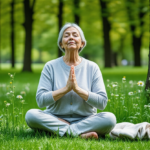
| Mind-Body | Reduces stress and improves mental clarity | Meditation, gentle yoga, breathing exercises |
Creating a Sustainable Exercise Routine
For sustainable results, older adults should aim for at least 150 minutes of moderate-intensity aerobic activity weekly, coupled with muscle-strengthening activities twice weekly. It’s crucial to consult healthcare providers before starting any new exercise regimen, especially for individuals with existing health conditions.
Nutritional Strategies for Aging Gracefully
Essential Nutrients for Older Adults
Proper nutrition supports physical health, cognitive function, and energy levels. Key nutrients include:
- Calcium and Vitamin D: Maintain bone strength
- Protein: Support muscle mass and repair
- Omega-3 Fatty Acids: Promote heart and brain health
- Antioxidants (Vitamin C, E, Selenium): Combat cellular aging and inflammation
- Fiber: Aid digestion and prevent chronic diseases
Healthy Eating Tips
- Incorporate a variety of colorful fruits and vegetables into meals.
2>Choose lean proteins such as fish, poultry, beans, and nuts.
3>Limit processed foods, sugar, and saturated fats.
4>Stay hydrated by drinking plenty of water.
5>Consider dietary supplements if recommended by healthcare providers.
Maintaining Mental Sharpness and Emotional Resilience
Cognitive Engagement and Learning
Continuously stimulating the brain through learning, hobbies, and social interactions helps preserve cognitive functions. Strategies include reading, puzzles, new language acquisition, or picking up new skills.
Building Emotional Resilience
Resilience involves adapting to life’s changes with a sense of purpose. Techniques such as mindfulness meditation, journaling, and seeking social support strengthen mental health and foster a positive outlook.
Combating Memory Loss and Cognitive Decline
- Stay Mentally Active: Engage in challenging activities regularly.
- Ensure Adequate Sleep: Restorative sleep is vital for cognitive health.
- Maintain Physical Activity: Exercise benefits brain function.
- Manage Stress: Chronic stress accelerates cognitive decline.
Building a Fulfilling Social Life After 60
The Importance of Social Connections
Strong social ties are linked to longer, healthier lives. They provide emotional support, reduce loneliness, and boost overall happiness. Engaging in community activities, volunteering, or joining clubs fosters meaningful relationships.
Overcoming Social Barriers
- Join local groups or online communities aligned with personal interests.
2>Participate in hobby classes or wellness workshops.
3>Use technology to stay connected with family and friends.
4>Seek support through counseling or social services if feelings of isolation persist.
Healthy Habits for a Fulfilling Life After 60
Sleep Hygiene
Quality sleep is essential for physical and mental restoration. Establish a consistent bedtime, create a relaxing environment, and limit screen time before sleeping.
Avoiding Harmful Habits
- Limit alcohol consumption.
- Avoid smoking and substance abuse.
- Manage medications carefully under medical supervision.
Planning for the Future
Financial planning, legal preparations, and health directives ensure peace of mind. Staying informed about healthcare options and advanced care planning helps maintain autonomy and dignity.
Aging with Grace and Positivity
Aging gracefully is a multifaceted process that involves nurturing physical health, cultivating mental resilience, fostering social connections, and maintaining a hopeful outlook. Embracing the natural changes of aging as opportunities for growth and new experiences transforms later years into a fulfilling and joyful phase of life. By adopting healthy habits and a positive mindset, individuals can not only extend their lifespan but also enhance their quality of life, making the most of every moment beyond 60.
References and Further Reading
While this article provides comprehensive guidance, consulting healthcare professionals and participating in community programs can offer personalized support tailored to individual needs. Continuing education through reputable sources on aging, health, and wellness empowers seniors to make informed decisions and live vibrantly.
Empowerment Through Knowledge and Action
Remember, aging gracefully is about mindset, habits, and community. Each step taken towards health, happiness, and connection contributes to a life rich with purpose and joy. Embrace this stage with optimism, curiosity, and confidence, and age not just with dignity but with enthusiasm for all that lies ahead.
Похожие записи:
 Building Resilience and Emotional Strength in Later Years: A Guide to Thriving After 60
  The Benefits of Regular Exercise for Seniors: Enhancing Life After 60
  Staying Socially Connected to Enhance Mental Well-being After 60
  The Importance of Routine Health Screenings: A Guide for Life After 60
  The Transformative Power of Volunteering: Enhancing Senior Mental Health
  Exploring Alternative Therapies for Wellness: A Guide for Life After 60
  Achieving Harmony: Balancing Work and Relaxation for Well-Being After 60
  Effective Tips for Maintaining Healthy Bones and Joints After 60
  Meditation and Mindfulness Practices for Stress Relief: A Guide for Those Over 60
  Managing Medication Safely in Older Age: Essential Tips for a Healthy Life After 60
  Smart Strategies for Planning Long-Term Healthcare Needs After 60
  The Importance of Dental Health After 60: Ensuring a Bright and Healthy Future