
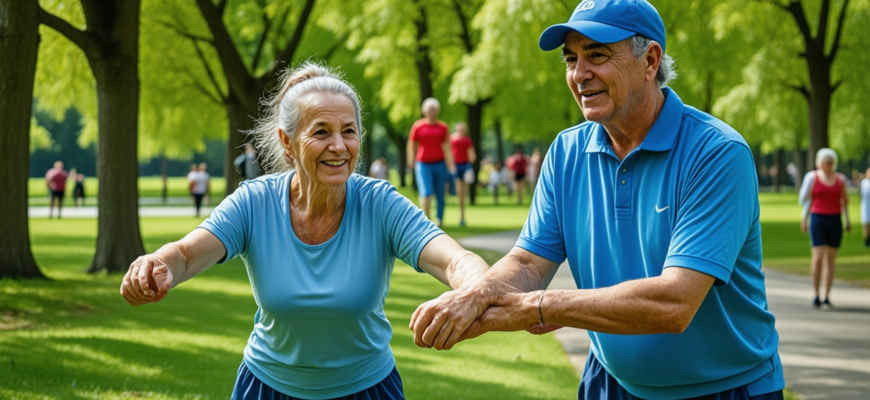
As individuals age beyond 60, maintaining strong bones and flexible joints becomes a crucial factor in preserving quality of life, independence, and mobility. With gradual natural changes, including bone density loss and joint wear, it’s essential to adopt effective strategies that promote skeletal health. This comprehensive guide provides practical tips, scientific insights, and lifestyle recommendations to help seniors and their caregivers support healthy bones and joints well into later years.
- Understanding the Aging Skeletal System
- How Bones and Joints Change with Age
- Risks Associated with Bone and Joint Degeneration
- Essential Nutrients for Bone and Joint Health
- Calcium: The Building Block of Strong Bones
- Vitamin D: Enhancing Calcium Absorption
- Other Vital Nutrients
- Exercise: The Cornerstone of Skeletal and Joint Health
- Benefits of Physical Activity for Aging Bones and Joints
- Types of Exercises Recommended
- Sample Weekly Exercise Plan
- Lifestyle Habits for Stronger Bones and Joints
- Avoiding Risk Factors
- Maintaining a Healthy Body Weight
- Ensuring Proper Posture and Ergonomics
- Medical Interventions and Screening
- Bone Density Testing
- Medications and Supplements
- Monitoring and Managing Chronic Conditions
- Practical Tips to Sustain Bone and Joint Health
- 1. Incorporate Regular Physical Activity
- 2. Focus on Nutrition
- 3. Get Adequate Sun Exposure
- 4. Avoid Falls and Injuries
- 5. Maintain Healthy Weight
- 6. Stay Hydrated and Avoid Excessive Alcohol
- Innovative Approaches and Future Outlook
- Emerging Treatments and Therapies
- Role of Technology
Understanding the Aging Skeletal System
How Bones and Joints Change with Age
As people age, the skeletal system undergoes several physiological changes. Among the most common are:
- Bone Density Reduction: A decline in bone mineral density increases the risk of osteoporosis.
- Joint Degeneration: Cartilage wears down, resulting in conditions like osteoarthritis.
- Decreased Muscle Mass: Loss of muscle support exacerbates joint stress and instability.
Risks Associated with Bone and Joint Degeneration
These changes heighten the likelihood of fractures, falls, and chronic pain, all of which can significantly impair daily functioning and overall well-being. Understanding these risks emphasizes the importance of proactive measures to preserve skeletal health.
Essential Nutrients for Bone and Joint Health
Calcium: The Building Block of Strong Bones
Calcium is fundamental to maintaining bone density. Particularly after 60, the need for calcium intake increases to counteract natural loss. Typical sources include:
| Food Source | Calcium Content per Serving |
|---|---|
| Dairy products (milk, yogurt, cheese) | 200-300 mg |
| Leafy green vegetables (kale, collard greens) | 100-150 mg |
| Fortified plant-based milks | 250 mg |
| Fish with edible bones (sardines, salmon) | 200-300 mg |
The recommended daily calcium intake for seniors is approximately 1200 mg. Supplementation may be necessary if dietary intake is insufficient, but should be managed under medical supervision.
Vitamin D: Enhancing Calcium Absorption
Vitamin D facilitates calcium absorption in the intestines. Sun exposure, food, and supplements are primary sources:
- Sunlight (short daily exposure)
- Fatty fish (mackerel, salmon)
- Fortified foods (cereals, dairy)
- Vitamin D supplements if necessary
The daily recommended intake for those over 60 is about 800–1000 IU. Regular moderate sun exposure combined with dietary sources helps maintain optimal levels.
Other Vital Nutrients
- Magnesium: Supports bone structure. Sources include nuts, seeds, and whole grains.
- Phosphorus: Works with calcium to build bones; found in dairy and nuts.
- Vitamin K2: Activates proteins that bind calcium to bones. Present in fermented foods and leafy greens.
Exercise: The Cornerstone of Skeletal and Joint Health
Benefits of Physical Activity for Aging Bones and Joints
Engaging in regular exercise supports bone density, enhances joint flexibility, and improves muscle strength. All these factors contribute to fall prevention and overall mobility.
Types of Exercises Recommended
- Weight-bearing exercises: Walking, brisk walking, stair climbing, dancing.
- Resistance training: Using free weights, resistance bands, or bodyweight exercises to strengthen muscles around joints.
- Flexibility exercises: Stretching routines, yoga, or tai chi to maintain joint range of motion.
- Balance exercises: Standing on one foot, heel-to-toe walking to prevent falls.
Sample Weekly Exercise Plan
| Day | Exercise Type | Duration |
|---|---|---|
| Monday | Walking + Stretching | 30-40 minutes |
| Wednesday | Resistance training + Yoga | 40 minutes |
| Friday | Balance exercises + Walking | 30 minutes |
| Sunday | Leisure activity (dancing, gardening) | Varies |
Lifestyle Habits for Stronger Bones and Joints
Avoiding Risk Factors
Several habits can accelerate bone and joint deterioration, including smoking, excessive alcohol consumption, and poor nutrition. Eliminating or reducing these risks can significantly improve skeletal health.
Maintaining a Healthy Body Weight
Excess weight increases stress on weight-bearing joints like the hips and knees, while too little weight can reduce bone density. Optimal weight supports joint health and reduces injury risk.
Ensuring Proper Posture and Ergonomics
Proper body mechanics help prevent joint strain and injuries. For example, when lifting heavy objects, bending at the knees and keeping the back straight minimizes stress on joints.
Medical Interventions and Screening
Bone Density Testing
Periodic bone mineral density (BMD) scans identify osteoporosis early, enabling proactive treatment plans. Most authorities recommend screening every 1-2 years for seniors at risk.
Medications and Supplements
- Bisphosphonates: To slow bone loss.
- Calcium and Vitamin D supplements: To support ongoing bone health.
- Other medications: For specific joint conditions, prescribed by a healthcare professional.
Monitoring and Managing Chronic Conditions
Conditions like rheumatoid arthritis or gout require medical management to prevent joint damage and improve function.
Practical Tips to Sustain Bone and Joint Health
1. Incorporate Regular Physical Activity
Staying active is vital. Even low-impact activities like swimming or cycling can be beneficial for those with joint pain.
2. Focus on Nutrition
Adopt a balanced diet rich in calcium, vitamin D, and other essential nutrients. Consider consulting a nutritionist for personalized plans.
3. Get Adequate Sun Exposure
Short daily exposure to sunlight promotes vitamin D synthesis, vital for calcium absorption.
4. Avoid Falls and Injuries
- Ensure living spaces are free of tripping hazards.
- Wear proper footwear.
- Use assistive devices if necessary.
5. Maintain Healthy Weight
Balanced diet and consistent exercise help maintain optimal body weight, reducing joint stress.
6. Stay Hydrated and Avoid Excessive Alcohol
Hydration maintains cartilage health, while limiting alcohol prevents nutrient absorption interference.
Innovative Approaches and Future Outlook
Emerging Treatments and Therapies
Research into regenerative medicine, including stem cell therapy and tissue engineering, shows promise for restoring damaged bone and cartilage. Additionally, advancements in pharmacology aim to provide better management of osteoporosis and osteoarthritis.
Role of Technology
Wearable devices monitor activity levels and posture, providing feedback to prevent injuries. Mobile health apps offer personalized exercise and nutrition guidance tailored to seniors’ needs.
Preserving bone and joint health after 60 requires a holistic approach that includes proper nutrition, regular physical activity, medical screening, and healthy lifestyle habits. By adopting these strategies early and consistently, older adults can enjoy improved mobility, reduced pain, and a better quality of life well into their later years. Staying proactive not only enhances physical health but also supports mental and emotional well-being, fostering independence and vitality during the golden years.
Похожие записи:
 The Benefits of Regular Exercise for Seniors: Enhancing Life After 60
  Managing Medication Safely in Older Age: Essential Tips for a Healthy Life After 60
  The Importance of Routine Health Screenings: A Guide for Life After 60
  Achieving Harmony: Balancing Work and Relaxation for Well-Being After 60
  The Transformative Power of Volunteering: Enhancing Senior Mental Health
  Exploring Alternative Therapies for Wellness: A Guide for Life After 60
  Meditation and Mindfulness Practices for Stress Relief: A Guide for Those Over 60
  Staying Socially Connected to Enhance Mental Well-being After 60