
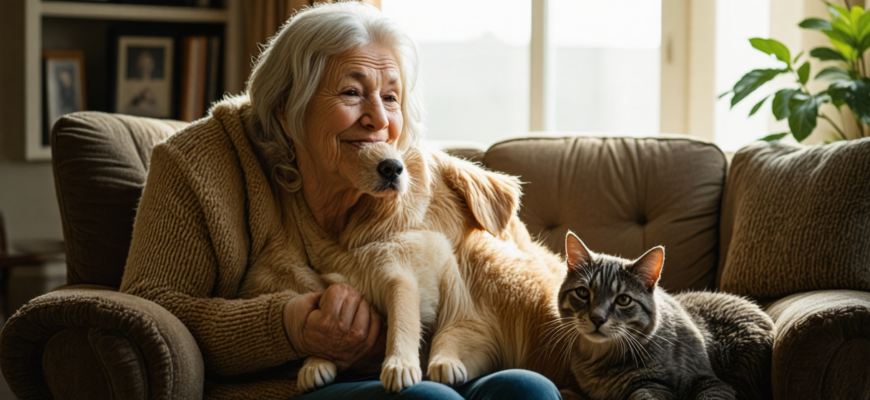
As individuals transition into their golden years, many discover that their lives take on new meanings, routines, and forms of companionship. One of the most profound and beneficial relationships that often develop during this stage is the bond with pets. From dogs and cats to smaller animals like birds or fish, pets have been shown to significantly influence seniors’ physical health, mental well-being, and overall happiness. This comprehensive exploration delves into how pets positively impact the lives of older adults, the science behind these benefits, and practical considerations for incorporating animals into senior living.
- The Growing Phenomenon of Pets in Senior Lives
- Physical Benefits of Having Pets in Later Years
- 1. Encouraging Physical Activity
- 2. Improving Cardiovascular Health
- 3. Promoting Better Sleep
- Mental and Emotional Benefits of Pets in Senior Life
- 1. Combating Loneliness and Isolation
- 2. Enhancing Mood and Reducing Depression
- 3. Stimulation and Cognitive Engagement
- Social Benefits of Pet Ownership for Seniors
- 1. Facilitating Social Interactions
- 2. Building Community and Support Networks
- Practical Considerations for Senior Pet Ownership
- 1. Selecting the Right Pet
- 2. Pet Care Responsibilities
- 3. Housing and Legal Considerations
- 4. Financial Aspects
- Potential Challenges and Solutions
- 1. Health Risks and Precautions
- 2. Coping with Loss and Grief
- 3. Managing Care During Health Crises or Hospitalization
- The Science Behind Pets and Senior Happiness
- Research Findings
- Mechanisms of Action
- Case Studies and Testimonials
- Case Study 1: Improved Mobility and Mood with a Dog
- Case Study 2: Comfort and Security with a Cat
- References and Further Reading
- Final Thoughts
The Growing Phenomenon of Pets in Senior Lives
Globally, the age demographic is shifting towards an increasingly aging population. According to the World Health Organization, by 2050, it is estimated that nearly 22% of the world’s population will be over 60. As people age, maintaining social connections and physical activity becomes more challenging, yet these are crucial factors for health and happiness. Pets have emerged as valued companions that can bridge gaps in social life and promote healthier lifestyles among seniors.
Physical Benefits of Having Pets in Later Years
1. Encouraging Physical Activity
Many pets, especially dogs, require daily walks and playtime, which naturally encourages seniors to engage in regular movement. Even light activity, like gentle walks or playing with a pet indoors, helps improve cardiovascular health, flexibility, and muscle strength. This physical activity can also help manage weight and reduce the risk of chronic illnesses such as hypertension and diabetes.
2. Improving Cardiovascular Health
Research indicates that pet owners, particularly dog owners, often have lower blood pressure and cholesterol levels compared to those without pets. The act of petting animals can reduce stress hormones such as cortisol and catecholamines while increasing the production of serotonin and dopamine—neurotransmitters linked with happiness and relaxation.
3. Promoting Better Sleep
Having a pet nearby during the night can provide a sense of security and comfort, resulting in a more restful sleep, which is vital for both physical health and cognitive functioning in aging individuals.
Mental and Emotional Benefits of Pets in Senior Life
1. Combating Loneliness and Isolation
One of the most widely recognized benefits of pet ownership among seniors is the alleviation of loneliness. Pets serve as loyal companions, offering unconditional love and presence. For many older adults, pets become a vital part of their daily routine, filling emotional voids and creating a sense of purpose.
2. Enhancing Mood and Reducing Depression
Numerous studies have linked pet ownership with reduced symptoms of depression and anxiety. Interaction with animals stimulates the release of oxytocin, the so-called “bonding hormone,” which enhances feelings of trust and attachment. Caring for a pet provides a sense of responsibility and achievement, fostering self-esteem and emotional stability.
3. Stimulation and Cognitive Engagement
Pets can also serve as cognitive stimulants. Tasks such as feeding, grooming, and training pets keep the brain engaged. For seniors with early signs of cognitive decline, caring for animals can be a gentle way to maintain mental agility and provide a routine that fosters memory and attention skills.
Social Benefits of Pet Ownership for Seniors
1. Facilitating Social Interactions
Pets often act as social catalysts, encouraging conversations and interactions with others. Walking a dog in the neighborhood or visiting pet-related community events creates opportunities to meet new people, reducing social isolation and building a support network.
2. Building Community and Support Networks
Many senior centers, retirement communities, and local parks host pet-adoption drives, training classes, and social events that bring pet owners together, strengthening social bonds and shared interests.
Practical Considerations for Senior Pet Ownership
1. Selecting the Right Pet
Choosing an appropriate pet depends on the senior’s physical ability, living environment, and lifestyle. For example, smaller, low-energy animals like cats, birds, or fish might be more suitable for those with limited mobility, while active seniors may prefer dogs that require regular exercise.
2. Pet Care Responsibilities
Understanding the commitment involved in caring for a pet is crucial. Regular feeding, grooming, veterinary visits, and emotional support can be demanding. Seniors should plan accordingly, possibly seeking assistance from family, friends, or pet care services if needed.
3. Housing and Legal Considerations
Some retirement communities or assisted living facilities have restrictions on pet ownership. It’s essential to verify policies regarding pet size, breed, and number before bringing a pet into a living environment. Additionally, insurance coverage and safety considerations (like pet-proofing the home) should be addressed.
4. Financial Aspects
Pets involve ongoing expenses, including food, veterinary care, grooming, and supplies. Budgeting for these costs is an important aspect of responsible pet ownership for seniors on fixed incomes.
Potential Challenges and Solutions
1. Health Risks and Precautions
- Allergies or respiratory issues triggered by pet dander
- Risk of falls or injuries when handling energetic or large animals
- Ensuring pets are vaccinated and healthy to prevent zoonotic diseases
2. Coping with Loss and Grief
The loss of a pet can be devastating for seniors. Support groups, counseling, and memorial rituals can help manage grief. Opening up to family and friends about feelings also fosters emotional healing.
3. Managing Care During Health Crises or Hospitalization
Designating a caregiver or family member for pet care during health emergencies ensures pets are looked after when owners are unable to do so.
The Science Behind Pets and Senior Happiness
Research Findings
Numerous scientific studies support the positive impact of pets on seniors’ health:
- Increased lifespan: Pet owners have higher survival rates after heart events.
- Lower cortisol levels: Interaction with animals reduces stress hormones.
- Enhanced social engagement: Pet presence correlates with increased social activity.
- Improved mental health: Pets contribute to decreased depression and loneliness.
Mechanisms of Action
These benefits are mediated through various biological and psychological mechanisms, such as hormonal regulation, increased physical activity, and social support. The companionship provided by animals fosters feelings of connection, purpose, and security, which are vital for mental health and overall well-being in older adults.
Case Studies and Testimonials
Case Study 1: Improved Mobility and Mood with a Dog
An 70-year-old woman with mild depression and limited mobility found renewed energy after adopting a small dog. Daily walks and caring for her pet boosted her physical activity and lifted her mood. Over six months, she reported feeling less isolated and more connected to her community.
Case Study 2: Comfort and Security with a Cat
A retiree with anxiety found comfort in caring for a cat, which provided a calming presence. The gentle purring and routine interactions significantly reduced her stress levels and improved her sleep quality.
Pets play a multifaceted role in enhancing health and happiness for seniors. They promote physical activity, emotional stability, social engagement, and a sense of purpose. While responsible pet ownership requires planning and dedication, the benefits far outweigh the effort, making animals invaluable companions on the journey of aging gracefully. As society continues to evolve, recognizing and leveraging the therapeutic and life-enriching power of pets can foster healthier, more joyful lives for older adults.
References and Further Reading
| Source | Description |
|---|---|
| World Health Organization | Statistics on aging populations globally |
| American Heart Association | Research on pet ownership and cardiovascular health |
| Journal of Aging and Health | Studies on mental health benefits of pets in seniors |
| Psychology Today | Articles on emotional well-being and pet companionship |
Final Thoughts
Ultimately, integrating pets into the lives of seniors can lead to a more vibrant, healthier, and fulfilling aging experience. Whether through professional assistance, community programs, or personal choice, the companionship of animals offers a pathway to improved quality of life after 60. Embracing this bond not only enriches the lives of older adults but also demonstrates the profound connection between humans and animals that benefits everyone involved.
Похожие записи:
 The Transformative Power of Volunteering: Enhancing Senior Mental Health
  The Impact of Social Activities on Mental Health After 60
  Building Resilience and Emotional Strength in Later Years: A Guide to Thriving After 60
  Staying Socially Connected to Enhance Mental Well-being After 60
  The Importance of Routine Health Screenings: A Guide for Life After 60
  Embracing a Positive Outlook for Aging Gracefully: Unlocking the Secrets to a Fulfilling Life After 60
  The Importance of Dental Health After 60: Ensuring a Bright and Healthy Future
  Achieving Harmony: Balancing Work and Relaxation for Well-Being After 60
  The Benefits of Regular Exercise for Seniors: Enhancing Life After 60
  Understanding and Managing Grief and Loss in Later Life: A Guide for Seniors
  Exploring Alternative Therapies for Wellness: A Guide for Life After 60
  Meditation and Mindfulness Practices for Stress Relief: A Guide for Those Over 60
  Managing Medication Safely in Older Age: Essential Tips for a Healthy Life After 60
  Smart Strategies for Planning Long-Term Healthcare Needs After 60
  Effective Tips for Maintaining Healthy Bones and Joints After 60