
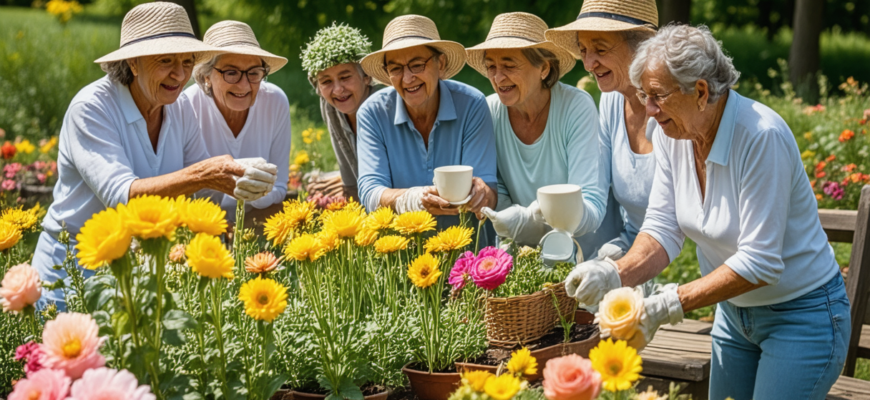
As individuals advance into their golden years, maintaining physical health, mental clarity, and emotional well-being becomes increasingly vital. Engaging in outdoor activities and garden therapy offers a plethora of benefits tailored specifically to seniors seeking to enhance their quality of life. This comprehensive guide explores how green spaces and outdoor engagement can transform the aging experience, providing practical insights, scientifically-backed benefits, and inspiring ideas to foster healthier, happier, and more fulfilled lives after 60.
- Understanding Garden Therapy and Outdoor Activities
- What Is Garden Therapy?
- What Are Outdoor Activities?
- Physical Benefits of Garden Therapy and Outdoor Activities
- Enhancement of Mobility and Flexibility
- Cardiovascular Health
- Improved Balance and Coordination
- Weight Management
- Mental and Emotional Benefits
- Reduction of Stress and Anxiety
- Enhancement of Mood and Happiness
- Cognitive Stimulation
- Therapeutic Value of Nature
- Social Benefits and Community Engagement
- Fostering Social Connections
- Encouraging Intergenerational Relationships
- Participation in Local Initiatives
- Practical Aspects of Implementing Garden Therapy and Outdoor Activities
- Creating Accessible Gardens
- Choosing Suitable Activities
- Safety Considerations
- Scientific Data Supporting Outdoor Activities and Garden Therapy
- Research Highlights
- Quantitative Measures of Impact
- Real-Life Success Stories
- Jane’s Journey: Overcoming Loneliness Through Gardening
- Paul’s Experience: Enhancing Cognitive Function with Nature Walks
- Embracing Nature for a Richer Life After 60
- References
Understanding Garden Therapy and Outdoor Activities
What Is Garden Therapy?
Garden therapy, also known as horticultural therapy, is a therapeutic practice that uses gardening activities to improve physical, mental, and emotional health. It involves engaging in various planting, nurturing, and harvesting activities under the guidance of professionals or independently, aiming to stimulate senses, foster social interaction, and promote motor skills.
What Are Outdoor Activities?
Outdoor activities encompass a broad spectrum of physical and recreational pursuits carried out in natural settings. For seniors, these might include walking in parks, bird watching, group exercises, picnicking, or simply relaxing in a garden. These activities encourage movement, socialization, and connection with nature, contributing significantly to overall wellness.
Physical Benefits of Garden Therapy and Outdoor Activities
Enhancement of Mobility and Flexibility
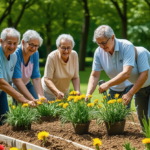
Regular engagement in gardening and outdoor pursuits encourages movement, stretching, and physical exertion that can help maintain and even improve mobility. Simple tasks such as digging, planting, weeding, and watering involve various muscle groups, promoting strength and flexibility.
Cardiovascular Health
Activities like walking in a garden or participating in outdoor exercises elevate heart rate in a safe manner, supporting cardiovascular health. According to recent studies, regular moderate exercise helps reduce the risk of heart disease—a leading concern among seniors.
Improved Balance and Coordination
Balancing on uneven terrain, climbing (e.g., stepping over flower beds), or carrying gardening tools can enhance proprioception and coordination, thereby reducing fall risk—a critical health aspect for older adults.
Weight Management
Physical activity in outdoor settings contributes to calorie expenditure, supporting healthy weight management. Gardening, in particular, can burn as many calories as moderate aerobic exercises, making it an effective way to stay fit in later years.
Mental and Emotional Benefits
Reduction of Stress and Anxiety
Being in green spaces has a calming effect on the mind, helping reduce cortisol levels—the hormone associated with stress. The sensory stimuli from plants, fresh air, and natural sounds foster relaxation and mental clarity.
Enhancement of Mood and Happiness
Exposure to sunlight stimulates the production of serotonin, often called the “happiness hormone.” Engaging in outdoor activities reduces feelings of depression and loneliness, common issues among seniors.
Cognitive Stimulation
Gardening involves planning, problem-solving, and learning about plant care, which collectively stimulate cognitive functions. Participating in community gardening projects also fosters social interaction, further enriching mental health.
Therapeutic Value of Nature
Nature therapy supports emotional healing and resilience. Spending time outdoors provides a sense of peace, purpose, and a connection to the environment, crucial for emotional well-being after retirement.
Social Benefits and Community Engagement
Fostering Social Connections
Community gardens, group outings, and outdoor clubs facilitate social interaction, combating loneliness and building friendships. Shared gardening projects encourage teamwork and mutual support.
Encouraging Intergenerational Relationships
Gardening and outdoor activities can include family members and grandchildren, promoting intergenerational bonding and the transfer of knowledge and skills.
Participation in Local Initiatives
Seniors can get involved in local environmental or conservation projects, enhancing community ties and creating opportunities for purposeful engagement.
Practical Aspects of Implementing Garden Therapy and Outdoor Activities
Creating Accessible Gardens
| Feature | Description |
|---|---|
| Raised Garden Beds | Allow easy access for those with mobility challenges, reducing the need to bend or kneel. |
| Wide Pathways | Facilitate wheelchair or walker use, ensuring safe movement. |
| Seating Areas | Provide rest spots to relax and enjoy the surroundings. |
| Ergonomic Tools | Tools with lightweight handles and easy grips make gardening less strenuous. |
Choosing Suitable Activities
- Light Gardening: planting flowers, herbs, or vegetables.
- Nature Walks: exploring nearby parks or trail systems.
- Bird Watching: using binoculars and bird guides to identify species.
- Outdoor Yoga or Tai Chi: gentle exercises promoting balance and flexibility.
- Community Gardening: participating in collective planting projects.
Safety Considerations
- Ensure pathways are slip-resistant and well-lit.
- Use sun protection: hats, sunscreen, and sunglasses.
- Stay hydrated; carry water during outdoor activities.
- Avoid extreme weather conditions—schedule activities accordingly.
- Consult healthcare providers before starting new physical routines.
Scientific Data Supporting Outdoor Activities and Garden Therapy
Research Highlights
- Improved Mental Health: According to a 2017 study published in the “Journal of Behavioral and Brain Science,” seniors engaged in gardening exhibited significantly lower markers of depression and anxiety.
- Physical Benefits: The “American Journal of Public Health” reports that regular outdoor activity reduces mortality risk by up to 30% among older adults.
- Cognitive Benefits: A 2018 research review indicates that nature-based activities enhance memory, attention span, and executive functions in seniors.
Quantitative Measures of Impact
| Aspect | Measure | Impact |
|---|---|---|
| Mood Improvement | Serotonin Levels | Increase of up to 30% after outdoor activity sessions |
| Mobility | Gait Stability Scores | Noticeable improvement after consistent gardening routines |
| Social Interaction | Number of social contacts per week | Average increase by 2-3 contacts after joining outdoor community groups |
Real-Life Success Stories
Jane’s Journey: Overcoming Loneliness Through Gardening
At age 65, Jane started volunteering in her community garden. Over time, she regained her physical strength and formed lasting friendships. Gardening gave her purpose, and her mood improved remarkably.
Paul’s Experience: Enhancing Cognitive Function with Nature Walks
After being diagnosed with mild cognitive impairment, Paul committed to daily strolls in the local park. Within months, his attention span increased, and he reported feeling more alert and engaged.
Embracing Nature for a Richer Life After 60
Engaging in garden therapy and outdoor activities offers profound physical, mental, and social benefits for seniors. They foster not only health and vitality but also provide a sense of purpose, community, and serenity. As life after 60 unfolds, incorporating natural engagement into daily routines can significantly enrich this vibrant stage of life, promoting longevity and happiness in harmony with nature.
References
- American Journal of Public Health, 2019
- Journal of Behavioral and Brain Science, 2017
- Research Review on Nature-Based Activities, 2018
- World Health Organization: Physical Activity Guidelines for Older Adults
- National Institute on Aging: Benefits of Gardening and Outdoor Activities
Похожие записи:
 The Benefits of Regular Exercise for Seniors: Enhancing Life After 60
  The Impact of Social Activities on Mental Health After 60
  Understanding and Managing Grief and Loss in Later Life: A Guide for Seniors
  Embracing a Positive Outlook for Aging Gracefully: Unlocking the Secrets to a Fulfilling Life After 60
  Exploring New Fitness Trends for Seniors: Stay Active and Healthy After 60
  Staying Socially Connected to Enhance Mental Well-being After 60
  The Transformative Power of Volunteering: Enhancing Senior Mental Health
  Exploring Alternative Therapies for Wellness: A Guide for Life After 60
  Achieving Harmony: Balancing Work and Relaxation for Well-Being After 60
  Building Resilience and Emotional Strength in Later Years: A Guide to Thriving After 60
  The Role of Pets in Senior Health and Happiness: How Animals Bring Joy and Well-Being in Later Years
  Meditation and Mindfulness Practices for Stress Relief: A Guide for Those Over 60
  Understanding and Managing Diabetes After 60: Essential Guide for a Healthy Life
  The Importance of Routine Health Screenings: A Guide for Life After 60
  Managing Medication Safely in Older Age: Essential Tips for a Healthy Life After 60
  Effective Tips for Maintaining Healthy Bones and Joints After 60