
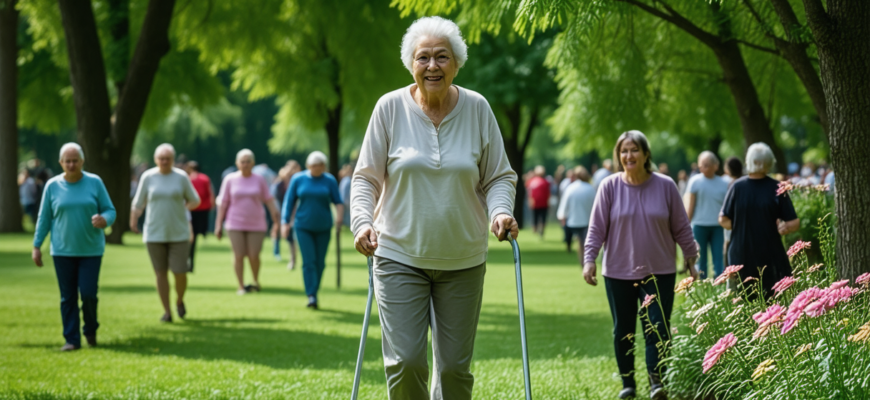
As individuals transition into their senior years, the focus of health and well-being often shifts toward preserving independence and mobility. These aspects are not merely about physical capability; they significantly influence the quality of life, mental health, social interactions, and overall happiness. Understanding the importance of maintaining independence and mobility after the age of 60 is essential for seniors, caregivers, and healthcare providers alike. This comprehensive guide explores why staying independent and mobile is crucial, the benefits it confers, and practical strategies to achieve and sustain these vital aspects of life after 60.
- Understanding Independence and Mobility in Older Adults
- What Is Independence?
- What Is Mobility?
- The Significance of Maintaining Independence and Mobility After 60
- 1. Enhances Quality of Life
- 2. Preserves Mental Health
- 3. Prevents Physical Decline
- 4. Promotes Safety and Autonomy
- 5. Supports Social Inclusion
- Common Challenges to Independence and Mobility in Later Years
- Age-Related Decline
- Chronic Health Conditions
- Environmental Factors
- Psychological Barriers
- Strategies to Preserve Independence and Mobility After 60
- Physical Activity and Exercise
- Nutrition and Hydration
- Environmental Modifications
- Assistive Devices and Technologies
- Regular Medical Check-Ups
- Psychological Support and Education
- Role of Healthcare Professionals and Support Networks
- Multidisciplinary Approach
- Community Resources
- The Benefits of Staying Active and Independent: Evidence and Studies
- Key Findings include:
- Practical Tips for Older Adults to Stay Independent and Mobile
Understanding Independence and Mobility in Older Adults
What Is Independence?
Independence in older adults refers to the ability to perform daily activities without external assistance. These activities, often called Activities of Daily Living (ADLs), include bathing, dressing, eating, toileting, and transferring (moving from bed to wheelchair, for example). Maintaining independence means having the capacity to manage one’s own life and make personal choices.
What Is Mobility?
Mobility pertains to an individual’s ability to move freely and safely within their environment. It encompasses physical movement capabilities such as walking, balance, coordination, and the effective use of mobility aids if necessary. Good mobility allows older adults to access social, medical, and recreational activities essential for mental and physical health.
The Significance of Maintaining Independence and Mobility After 60
1. Enhances Quality of Life
Staying independent and mobile allows seniors to continue engaging in their preferred activities, hobbies, and social interactions. It fosters a sense of purpose, self-worth, and joy, which are fundamental components of a higher quality of life. When older adults can perform daily tasks without reliance on others, they experience greater satisfaction and autonomy.
2. Preserves Mental Health
Physical activity and social engagement have proven positive effects on mental health, reducing risks of depression and anxiety. Maintaining mobility encourages social participation, which in turn supports cognitive functions. Conversely, loss of independence often leads to feelings of helplessness, loneliness, and depression.
3. Prevents Physical Decline
Regular movement and activity help preserve muscle strength, joint flexibility, and cardiovascular health. This reduces the risk of falls, fractures, and chronic illnesses like heart disease, diabetes, and osteoporosis. In essence, maintaining mobility acts as a preventive measure against many age-related health issues.
4. Promotes Safety and Autonomy
When seniors maintain their ability to move safely and perform ADLs, they are less likely to rely heavily on caregivers or assisted living facilities. This autonomy fosters dignity, self-esteem, and the ability to make decisions about their own lives, which is crucial at any age, but especially after 60.
5. Supports Social Inclusion
Being able to move freely enables participation in community events, visits to family and friends, and engagement in social gatherings. Social bonds are integral to mental well-being and can buffer against cognitive decline and feelings of isolation prevalent among seniors.
Common Challenges to Independence and Mobility in Later Years
Age-Related Decline
Natural aging processes lead to decreased muscle mass, bone density, joint flexibility, and balance, which can impair mobility. Cognitive changes may also impact planning and execution of movements, increasing fall risk.
Chronic Health Conditions
Conditions such as arthritis, Parkinson’s disease, diabetes, and cardiovascular disease often hinder mobility and independence, necessitating adaptations or assistance.
Environmental Factors
Unsafe or inaccessible living environments can limit movement. Poor lighting, lack of handrails, or uneven flooring pose fall hazards.
Psychological Barriers
Fear of falling or injury can lead to reduced activity levels, which further diminishes strength and confidence. Depression and social withdrawal also contribute to functional decline.
Strategies to Preserve Independence and Mobility After 60
Physical Activity and Exercise
A tailored exercise program is one of the most effective ways to maintain and improve mobility. Incorporating strength, balance, flexibility, and aerobic exercises can significantly enhance physical capabilities.
| Type of Exercise | Benefits | Examples |
|---|---|---|
| Strength Training | Builds muscle mass, supports joints | Light weightlifting, resistance band exercises |
| Balance Exercises | Reduces fall risk | Standing on one foot, Tai Chi |
| Flexibility | Improves range of motion | Stretching routines, yoga |
| Aerobic Fitness | Enhances cardiovascular health | Walking, cycling, swimming |
Nutrition and Hydration
Eating a balanced diet rich in calcium, vitamin D, protein, and antioxidants supports musculoskeletal health and overall vitality. Proper hydration is equally essential for joint lubrication and maintaining energy levels.
- Consume plenty of fruits and vegetables
- Include lean proteins and healthy fats
- Limit processed foods and excessive sugar
- Ensure adequate vitamin D and calcium intake
Environmental Modifications
Making simple adjustments at home can prevent falls and facilitate movement:
- Install handrails in bathrooms and staircases
- Ensure good lighting across all living spaces
- Use non-slip mats and rugs
- Keep walkways clear of clutter
Assistive Devices and Technologies
Mobility aids such as canes, walkers, and wheelchairs can provide stability and safety. Modern technology, including fall detectors, GPS tracking devices, and health monitoring apps, further enhances independence.
Regular Medical Check-Ups
Routine health assessments help detect and manage chronic conditions early. It is vital for maintaining mobility and adjusting treatments or therapies as needed.
Psychological Support and Education
Addressing fears related to falling or losing independence through counseling or support groups can be empowering. Education about aging, health maintenance, and safe activity practices fosters confidence.
Role of Healthcare Professionals and Support Networks
Multidisciplinary Approach
Physical therapists, occupational therapists, and physicians work together to develop individualized plans that promote functional independence. They recommend specific exercises, therapies, and environmental changes tailored to each senior’s needs.
Community Resources
Senior centers, community exercise classes, transportation services, and home care agencies play pivotal roles in supporting active and independent lifestyles.
The Benefits of Staying Active and Independent: Evidence and Studies
Numerous scientific studies underscore the benefits of maintaining independence and mobility after 60. For example, a study published in the Journal of Aging and Physical Activity found that seniors who engaged in regular physical activity experienced fewer falls, better cognitive function, and higher life satisfaction.
Key Findings include:
- Exercise reduces the risk of cardiovascular diseases by up to 40%.
- Muscle strengthening can improve balance and coordination, reducing fall risk by 30-50%.
- Social engagement correlates with lower rates of cognitive decline.
Practical Tips for Older Adults to Stay Independent and Mobile
- Set achievable physical activity goals regularly.
- Prioritize safety in the home environment.
- Maintain social connections and participate in group activities.
- Keep a regular routine for health check-ups and medication management.
- Practice mindfulness and stress management techniques.
Maintaining independence and mobility after 60 is more than a health goal—it is a fundamental determinant of overall well-being and happiness. Through a combination of physical activity, proper nutrition, environmental modifications, and social engagement, older adults can preserve their autonomy and lead fulfilling lives. Recognizing and addressing age-related challenges early, leveraging support networks, and adopting proactive habits are essential steps in embracing life after 60 with vitality and confidence. Ultimately, safeguarding independence and mobility empowers seniors to enjoy their golden years with dignity, joy, and purpose.
Похожие записи:
 The Role of Pets in Senior Health and Happiness: How Animals Bring Joy and Well-Being in Later Years
  Effective Tips for Maintaining Healthy Bones and Joints After 60
  The Impact of Social Activities on Mental Health After 60
  The Benefits of Regular Exercise for Seniors: Enhancing Life After 60
  Staying Socially Connected to Enhance Mental Well-being After 60
  Exploring New Fitness Trends for Seniors: Stay Active and Healthy After 60
  The Benefits of Garden Therapy and Outdoor Activities for Seniors: Embracing Life After 60
  Achieving Harmony: Balancing Work and Relaxation for Well-Being After 60
  Embracing a Positive Outlook for Aging Gracefully: Unlocking the Secrets to a Fulfilling Life After 60
  The Transformative Power of Volunteering: Enhancing Senior Mental Health
  Understanding and Managing Grief and Loss in Later Life: A Guide for Seniors
  Building Resilience and Emotional Strength in Later Years: A Guide to Thriving After 60
  Exploring Alternative Therapies for Wellness: A Guide for Life After 60
  Understanding and Managing Diabetes After 60: Essential Guide for a Healthy Life
  Meditation and Mindfulness Practices for Stress Relief: A Guide for Those Over 60
  Managing Medication Safely in Older Age: Essential Tips for a Healthy Life After 60