
As the years advance, staying active and enjoying the winter season remains an attainable and rewarding goal for seniors. With proper planning, safety measures, and the right activities, older adults can partake in winter sports that not only promote physical health but also enhance mental well-being and social connections. This comprehensive guide explores various winter sports options suitable for active seniors, emphasizing safety tips, benefits, equipment, and beginner-friendly activities designed to ensure a joyful and injury-free wintertime experience.
- Understanding the Benefits of Winter Sports for Seniors
- Key Considerations for Seniors Engaging in Winter Sports
- Health and Medical Clearance
- Proper Equipment and Clothing
- Gradual Progression
- Safety Measures
- Winter Sports Options Suitable for Active Seniors
- 1. Cross-Country Skiing
- Advantages
- Tips for Beginners
- 2. Snowshoeing
- Advantages
- Getting Started
- 3. Winter Walking and Nordic Walking
- Benefits
- Recommendations
- 4. Ice Skating (In Rinks or Safe Outdoor Areas)
- Advantages
- Safety Tips
- 5. Sledding and Tobogganing (With Caution)
- Tips for Safe Sledding
- Table of Comparison of Winter Sports for Seniors
- Additional Tips for Enjoying Winter Sports Safely
- Stay Hydrated and Nourished
- Monitor Weather Conditions
- Incorporate Warm-Up and Cool-Down Routines
- Engage in Group Activities
- Adapting Winter Sports for Individual Abilities
- Concluding Thoughts
Understanding the Benefits of Winter Sports for Seniors
Engaging in winter sports offers a multitude of benefits for seniors, making it an appealing option for those seeking to maintain fitness, boost mental health, and enjoy nature’s beauty. Some key advantages include:
- Physical Health: Improves cardiovascular health, enhances flexibility and strength, and boosts balance and coordination.
- Mental Well-being: Provides mental stimulation, reduces stress, and fosters a sense of achievement.
- Social Engagement: Offers opportunities for group activities, socializing, and building new friendships.
- Enjoyment of Nature: Encourages outdoor activity, fresh air, and scenic winter landscapes.
Key Considerations for Seniors Engaging in Winter Sports
Health and Medical Clearance
Before starting any new physical activity, especially winter sports, it is crucial for seniors to consult with healthcare providers. A medical check-up ensures that the chosen activities align with individual health conditions and capabilities.
Proper Equipment and Clothing
Seniors should invest in high-quality, well-fitting gear suitable for winter conditions. Layers that wick moisture, insulated gloves, hats, and snow boots with good traction are essential components to prevent cold-related illnesses and injuries.
Gradual Progression
Newcomers should start slowly, gradually increasing activity intensity and duration to build strength and confidence without overexertion.
Safety Measures
Protective gear, such as helmets and pads, along with knowledge of terrain and weather conditions, are vital for minimizing risks. Additionally, staying within designated areas and avoiding risky slopes or unfamiliar terrains is important.
Winter Sports Options Suitable for Active Seniors
1. Cross-Country Skiing
Cross-country skiing is an excellent low-impact cardiovascular workout that can be adapted to individual fitness levels. It involves gliding over prepared trails, providing a full-body exercise that enhances endurance, balance, and muscle strength.
Advantages
- Low-impact but highly effective cardio workout
- Accessible on flat or gently rolling terrain
- Opportunity to enjoy scenic winter landscapes
Tips for Beginners
- Start with short sessions on easy terrain
- Use adjustable ski poles to assist with balance
- Wear proper footwear and layered clothing
2. Snowshoeing
Snowshoeing is one of the simplest and safest winter activities for seniors. It distributes weight over a larger area, allowing movement over snow without sinking, making it ideal for varying terrains and snowy paths.
Advantages
- Minimal equipment and learning curve
- Enhances cardiovascular health and leg strength
- Accessible both on prepared trails and in deep snow
Getting Started
- Wear waterproof, insulated boots
- Start in flat, groomed trails to build confidence
- Choose poles with ergonomic grips for comfort
3. Winter Walking and Nordic Walking
Walking is a fundamental activity suitable for seniors, especially when done with proper footwear and clothing. Nordic walking incorporates poles, which add stability and engage upper body muscles, making it a more intense workout than regular walking.
Benefits
- Improves cardiovascular endurance
- Strengthens core, arms, and shoulders
- Provides social opportunities in parks or designated paths
Recommendations
- Use poles with adjustable lengths for comfort
- Walk on well-maintained, even surfaces
- Stay visible with reflective gear in low-light conditions
4. Ice Skating (In Rinks or Safe Outdoor Areas)
Ice skating can be a delightful winter activity for active seniors when performed in controlled environments or designated outdoor skating areas that are properly maintained for safety.
Advantages
- Improves balance and coordination
- Strengthens leg and core muscles
- Offers social and recreational enjoyment
Safety Tips
- Begin with beginner lessons or supervision from an experienced skater
- Wear well-fitted helmets and protective gear
- Choose skating areas with smooth, well-maintained ice
5. Sledding and Tobogganing (With Caution)
Sledding can be a fun activity for seniors with a sense of adventure, provided safety precautions are observed. It’s best enjoyed on gentle slopes and with suitable equipment designed to minimize risk.
Tips for Safe Sledding
- Use modern sleds with brakes and secure handles
- Always wear helmets and protective clothing
- Darling in open, unobstructed areas away from roads and obstacles
- Have a designated spot for starting and stopping
Table of Comparison of Winter Sports for Seniors
| Activity | Intensity Level | Equipment Needed | Suitable Terrain | Physical Benefits |
|---|---|---|---|---|
| Cross-Country Skiing | Moderate | Skis, poles, suitable clothing | Prepared trails, gentle slopes | Cardio, leg endurance, balance |
| Snowshoeing | Low to Moderate | Snowshoes, poles, waterproof boots | Any snow-covered terrain | Cardio, leg strength, stability |
| Walking / Nordic Walking | Low | Walking shoes, poles (for Nordic) | Parks, designated walking paths | Endurance, upper and lower body strength |
| Ice Skating | Moderate | Skates, helmet, protective gear | Ice rinks or maintained outdoor ice | Balance, coordination, leg muscles |
| Sledding | Variable | Sled, helmet | Gentle slopes, open areas | Core stability, fun and recreation |
Additional Tips for Enjoying Winter Sports Safely
Stay Hydrated and Nourished
Even in cold weather, hydration remains vital. Seniors should drink water regularly and consume energy-boosting snacks during physical activity to maintain stamina.
Monitor Weather Conditions
Extremely cold temperatures, snowstorms, or icy conditions can increase risks. Check weather reports and avoid activity during severe weather.
Incorporate Warm-Up and Cool-Down Routines
Warming up muscles before exercise and stretching afterward help prevent injuries and stiffness.
Engage in Group Activities
Participating in winter sports with friends, family, or organized groups enhances safety, motivation, and social connection.
Adapting Winter Sports for Individual Abilities
Each senior has unique health considerations and physical capabilities. It is important to tailor activities to fit these individual needs. For example:
- For those with joint issues, low-impact activities like snowshoeing or Nordic walking are preferable.
- For individuals with balance concerns, starting with indoor skating or seated exercises is advisable.
- Seek professional guidance or participate in senior-focused fitness programs that incorporate winter sports.
Concluding Thoughts
Winter sports offer a dynamic way for active seniors to embrace the season, stay healthy, and maintain a vibrant social life. With appropriate precautions, suitable activities, and a positive attitude, seniors can discover the joys of winter movement while minimizing risks. The key lies in choosing activities aligned with personal interests and physical abilities, gradually building skills, and enjoying the natural beauty of winter landscapes. Embracing winter sports is not only about staying active but also about enriching life after 60 with adventure, health, and happiness.
Похожие записи:
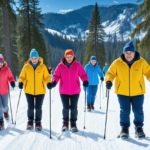 Embrace the Winter: Exciting Cross-Country Skiing and Snowshoeing Adventures for Active Seniors
  Embrace Adventure: Learning New Water Sports During Your Travels After 60
  Participating in Adventure Races for Seniors: Embrace the Challenge and Stay Active After 60
  Joining Veteran or Senior Sports Groups: A Guide to Active Living After 60
  Conquering Fear: Embracing New Adventure Sports After 60
  Rock Climbing and Bouldering for Adventurous Seniors: Embrace the Vertical Challenge After 60 Adventure Travel Tips for First-Time Seniors: Embrace the Spirit of Exploration After 60
  Cycling Trips for Active Seniors Seeking New Challenges: Unlocking Adventure After 60
  Exploring New Fitness Trends for Seniors: Stay Active and Healthy After 60 Staying Active Through Hobbies and Leisure Activities: A Guide for Seniors
  Ultimate Guide: How to Start Backpacking After 60 and Embrace an Adventurous Life
  Embrace the Thrill: Participating in Adventure Photography During Travel After 60
  Mountain Trekking Adventures for Experienced Seniors: A Guide to Safe and Exciting Exploration After 60
  Embracing Wellness and Adventure After 60: The Perfect Blend for Active, Healthy Living Setting Achievable Fitness Goals in Your 60s and Beyond: A Guide to Staying Active and Healthy
  Discover Fulfilling Volunteering Opportunities for Seniors: A Guide to Staying Active and Engaged After 60