Reaching the age of 60 and beyond marks a significant milestone in life, opening a new chapter filled with opportunities for personal growth, social engagement, and meaningful contribution. Volunteering is one such avenue that not only helps communities but also offers numerous benefits for seniors, including enhanced mental health, expanded social networks, and a sense of purpose. This comprehensive guide explores diverse volunteering opportunities tailored for seniors, emphasizing how active participation can enrich life after 60.
- Why Volunteering is Vital for Seniors
- Physical and Mental Health Benefits
- Social Connection and Community Engagement
- Sense of Purpose and Personal Fulfillment
- Popular Volunteering Opportunities for Seniors
- 1. Mentoring and Tutoring
- Key Benefits:
- 2. Supporting Local Schools and Libraries
- 3. Working with Non-Profit Organizations
- 4. Environmental Conservation
- 5. Providing Care and Support for Vulnerable Populations
- 6. Religious and Spiritual Community Support
- 7. Arts and Cultural Programs
- How to Find Suitable Volunteering Opportunities
- Assess Personal Interests and Skills
- Utilize Online Platforms and Local Resources
- Attend Orientation and Training Sessions
- Consider Flexible and Remote Opportunities
- Preparing to Volunteer Effectively
- Physical and Health Considerations
- Gather Necessary Documentation
- Develop a Schedule
- Overcoming Challenges in Volunteering for Seniors
- Mobility and Health Barriers
- Technological Barriers
- Emotional and Psychological Barriers
- Case Studies: Inspiring Examples of Senior Volunteering
- Case Study 1: The Book Mentor
- Case Study 2: Environmental Steward
- Case Study 3: Virtual Tutoring for At-Risk Youth
- Legal and Safety Considerations
- Embracing the Spirit of Giving After 60
Why Volunteering is Vital for Seniors
Physical and Mental Health Benefits
Engaging in volunteer work promotes physical activity, which is crucial for maintaining mobility and overall health. Additionally, volunteering stimulates mental faculties, helping to keep the mind sharp, reduce stress, and ward off depression.
Social Connection and Community Engagement
Volunteering fosters social connections, reducing feelings of loneliness and isolation common among seniors. It creates avenues for meeting new people, sharing experiences, and building lasting friendships.
Sense of Purpose and Personal Fulfillment
Contributing time and skills to causes meaningful to the individual provides a profound sense of purpose. This personal fulfillment enhances quality of life and encourages a positive outlook on aging.
Popular Volunteering Opportunities for Seniors
1. Mentoring and Tutoring
Many seniors possess a wealth of knowledge and experience that can be invaluable to younger generations. Volunteering as a mentor or tutor in programs for children, teens, or adults supports lifelong learning and personal growth for both parties.
Key Benefits:
- Sharing expertise and wisdom
- Building intergenerational connections
- Enhancing community literacy and skills
2. Supporting Local Schools and Libraries
Seniors can participate in reading programs, organizing book clubs, or assisting with school events. These activities help foster a love of learning among youth and encourage community involvement.
3. Working with Non-Profit Organizations
Many non-profits seek volunteers for administrative tasks, event planning, or direct service roles. Seniors can bring their organizational skills and life experience to make impactful contributions.
4. Environmental Conservation
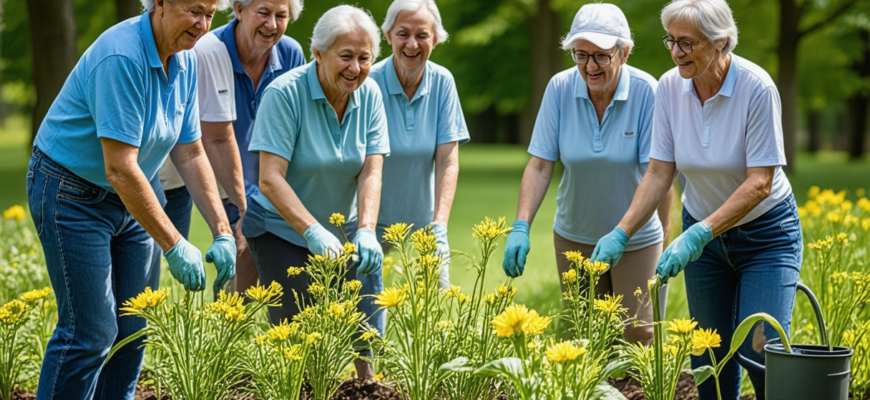
Participating in tree planting, park clean-ups, or community gardening projects allows seniors to connect with nature and promote sustainability.
5. Providing Care and Support for Vulnerable Populations
Seniors can offer companionship to the elderly, assist at food banks, or volunteer at homeless shelters. These acts of kindness greatly benefit individuals in need and foster community solidarity.
6. Religious and Spiritual Community Support
Many seniors find purpose in supporting religious organizations through roles such as teaching, administrative work, or community outreach programs.
7. Arts and Cultural Programs
Volunteering at museums, art centers, or cultural events offers seniors a chance to indulge in their passions and promote local heritage.
How to Find Suitable Volunteering Opportunities
Assess Personal Interests and Skills
Begin by identifying hobbies, skills, or causes that resonate deeply. Whether it’s education, environment, health, or arts, aligning volunteering with personal passions ensures sustained engagement and satisfaction.
Utilize Online Platforms and Local Resources
| Platform/Resource | Description |
|---|---|
| VolunteerMatch | An extensive online platform matching volunteers with opportunities based on interests and location. |
| AARP Volunteer Portal | Offers a range of opportunities tailored specifically for seniors across various sectors. |
| Local Community Centers | Provide information on nearby volunteer programs and events. |
| Non-profit Organization Websites | Most organizations list volunteer roles directly on their websites. |
Attend Orientation and Training Sessions
Many volunteer roles require some training or orientation to ensure safety and effective contribution. Participating in these prepares seniors for their roles and enhances their experience.
Consider Flexible and Remote Opportunities
For seniors with mobility limitations or health concerns, remote volunteering—such as phone-based support or online tutoring—offers valuable alternatives.
Preparing to Volunteer Effectively
Physical and Health Considerations
- Consult with healthcare providers to understand any limitations.
- Choose roles compatible with physical abilities and health status.
- Start gradually and build stamina over time.
Gather Necessary Documentation
Many organizations require background checks, references, or proof of health status. Prepare these documents in advance for smoother onboarding.
Develop a Schedule
Balance volunteering with personal needs. Establish routine times that are manageable to prevent burnout.
Overcoming Challenges in Volunteering for Seniors
Mobility and Health Barriers
Adapt roles or seek opportunities within accessible settings to overcome physical challenges. Many organizations offer volunteer activities in wheelchair-accessible environments.
Technological Barriers
Embrace basic digital skills for remote volunteering opportunities, with support from community programs or workshops.
Emotional and Psychological Barriers
Address feelings of hesitation by starting with small commitments and gradually increasing involvement. Seeking support from peers or volunteer coordinators can build confidence.
Case Studies: Inspiring Examples of Senior Volunteering
Case Study 1: The Book Mentor
Jane, 65, volunteers at her local library, helping children develop literacy skills. Her dedication has led to improved reading levels among participants and strengthened community bonds.
Case Study 2: Environmental Steward
Michael, 70, participates in community tree-planting projects every season. His physical activity and connection to nature have contributed to urban greening efforts.
Case Study 3: Virtual Tutoring for At-Risk Youth
Anna, 68, provides online tutoring in math and language arts for underprivileged children, fostering their academic growth from her home.
Legal and Safety Considerations
- Ensure compliance with organization policies and local laws.
- Always volunteer in safe, recognized environments.
- Communicate clearly about health issues and limitations.
Embracing the Spirit of Giving After 60
Volunteering after 60 is a rewarding way to stay active, create meaningful connections, and contribute to the community. With a diverse array of options available, seniors can find roles that match their interests, abilities, and schedules. Embracing volunteer work not only benefits society but also enriches the lives of seniors, fostering a sense of purpose, joy, and continued growth well into later years.
As the adage goes, “The best way to find yourself is to lose yourself in the service of others.” For seniors seeking fulfillment and vitality, volunteering offers a pathway to continue making a difference and living life to its fullest.
Похожие записи:
 The Transformative Power of Volunteering: Enhancing Senior Mental Health
  Staying Connected with Loved Ones During Trips: A Complete Guide for Seniors After 60
  Staying Socially Connected to Enhance Mental Well-being After 60
  Exploring New Fitness Trends for Seniors: Stay Active and Healthy After 60
  Creating a Personal Blog or Online Portfolio: Unlocking New Opportunities in Life After 60
  Understanding and Managing Grief and Loss in Later Life: A Guide for Seniors
  Cycling Trips for Active Seniors Seeking New Challenges: Unlocking Adventure After 60
  Embrace the Winter: Exciting Cross-Country Skiing and Snowshoeing Adventures for Active Seniors
  Embracing a Positive Outlook for Aging Gracefully: Unlocking the Secrets to a Fulfilling Life After 60
  Discover the Best Diving and Snorkeling Hotspots for Mature Travelers: A Complete Guide to Exploring Underwater Paradises After 60
  Embracing the Past: How Seniors Can Actively Participate in Local History and Heritage Projects
  Discover the Art of Calligraphy: A Mindful Journey for Those Over 60
  Joining Veteran or Senior Sports Groups: A Guide to Active Living After 60
  Embracing Wellness and Adventure After 60: The Perfect Blend for Active, Healthy Living
  Mountain Trekking Adventures for Experienced Seniors: A Guide to Safe and Exciting Exploration After 60
  Ultimate Guide to Philanthropy and Charitable Giving in Retirement: Making a Lasting Impact After 60