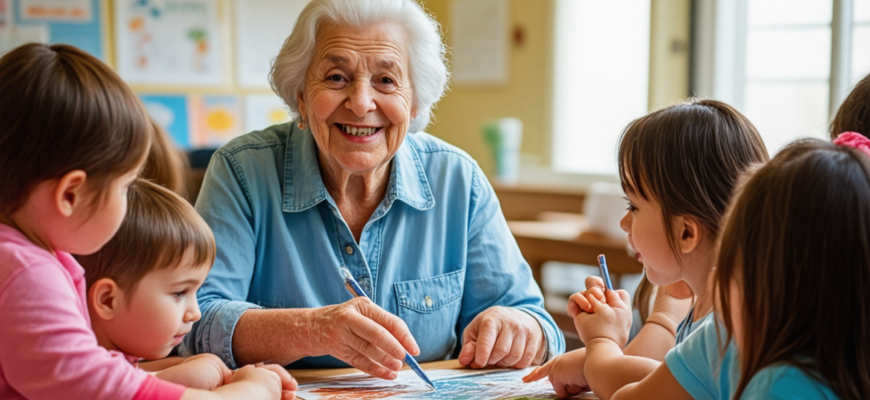
Retirement and later life are often viewed as a time of relaxation and reflection. However, they also present a unique opportunity to contribute positively to the community, influence young lives, and foster personal growth. Volunteering in local schools and youth programs stands out as a meaningful and rewarding activity for seniors seeking purpose and connection. This comprehensive guide explores the vital role of older adults in youth development, the benefits of volunteering, practical ways to get involved, and important considerations to maximize success. Embracing volunteer opportunities not only enriches the lives of young individuals but also invigorates the spirits of retirees, fueling a vibrant, intergenerational community.
- Understanding the Role of Seniors in Schools and Youth Programs
- Who Can Volunteer and What Are Their Responsibilities?
- The Power of Intergenerational Connections
- Building Bridges Across Ages
- Mutual Benefits
- Why Volunteering in Education and Youth Programs Is Especially Valuable After 60
- Why Seniors Are Well-Suited for Educational Volunteering
- Addressing Community Needs
- Advantages of Volunteering in Local Schools and Youth Programs
- Personal Health and Wellness Benefits
- Community Impact and Social Capital
- Educational and Personal Fulfillment
- How to Get Started with Volunteering in Schools and Youth Programs
- Assessing Personal Skills and Interests
- Finding Suitable Opportunities
- Preparing for Volunteer Roles
- Practical Tips for Successful Volunteering
- Building Effective Relationships
- Maintaining Balance and Wellbeing
- Overcoming Common Challenges
- The Formalities: Legal and Safety Considerations
- Background Checks and Volunteer Policies
- Insurance and Liability
- Health and Safety Protocols
- Success Stories: Inspiring Examples of Senior Volunteers in Youth Education
- Real-Life Impact in Communities
- A Win-Win Opportunity for Seniors and Youth
- Additional Resources and How to Get Involved
- Final Thoughts
Understanding the Role of Seniors in Schools and Youth Programs
Who Can Volunteer and What Are Their Responsibilities?
Seniors interested in volunteering in educational settings or youth initiatives typically come from diverse backgrounds, with a wealth of experience, patience, and a desire to give back. Their roles may include:
- Mentoring students in academic subjects or life skills
- Supporting extracurricular activities such as arts, music, or sports
- Assisting with after-school programs and homework help
- Leading workshops on health, technology, or financial literacy
- Acts as positive role models and listening ears for young people facing challenges
Volunteering responsibilities are often adaptable to individual skills, interests, and health considerations, ensuring seniors can participate comfortably and effectively.
The Power of Intergenerational Connections
Building Bridges Across Ages
Volunteer work in schools fosters significant intergenerational bonds. Seniors bring invaluable life experiences, wisdom, and empathy, which resonate deeply with students. These interactions help:
- Enhance students’ social and emotional development
- Break down age-related stereotypes and foster mutual understanding
- Create a supportive atmosphere conducive to learning and personal growth
Mutual Benefits
Both parties gain from these interactions. Young people receive mentorship, encouragement, and real-world insights, while seniors experience increased social engagement, purpose, and mental stimulation. It has been shown that such relationships can improve mood, combat loneliness, and maintain cognitive health among older adults.
Why Volunteering in Education and Youth Programs Is Especially Valuable After 60
Why Seniors Are Well-Suited for Educational Volunteering
Older adults often possess qualities highly beneficial in educational settings:
- Patience and understanding
- Strong communication skills developed over decades
- Leadership and mentorship qualities
- Reliability and commitment
- Ability to serve as positive role models
Addressing Community Needs
Many communities face challenges such as teacher shortages, extracurricular activity funding gaps, and increased demand for student support. Senior volunteers can fill vital gaps, providing consistent assistance and fostering a nurturing environment for children and teenagers.
Advantages of Volunteering in Local Schools and Youth Programs
Personal Health and Wellness Benefits
Engagement in volunteer activities has numerous health benefits for seniors, including:
- Improved mental health by staying active and socially involved
- Delayed cognitive decline through mental stimulation
- Increased physical activity, which benefits cardiovascular health
- Enhanced sense of purpose and self-esteem
Community Impact and Social Capital
Volunteer efforts contribute to creating a more resilient and interconnected community. They help:
- Build social capital by fostering trust and cooperation
- Support inclusive, welcoming environments for youth from diverse backgrounds
- Encourage civic engagement among retirees, inspiring others to get involved
Educational and Personal Fulfillment
Many seniors find mentoring to be a fulfilling experience, allowing them to continue lifelong learning, share passions, and leave a legacy of positive influence. It also provides a sense of belonging and active citizenship that enhances overall life satisfaction after 60.
How to Get Started with Volunteering in Schools and Youth Programs
Assessing Personal Skills and Interests
Begin by identifying skills, hobbies, and areas of expertise that can be useful in youth settings. Reflect on:
- Academic or professional knowledge (e.g., mathematics, arts, languages)
- Life experience and wisdom
- Interests such as sports, music, crafts, or technology
- Comfort level with group activities or one-on-one mentoring
Finding Suitable Opportunities
Great ways to discover volunteer opportunities include:
- Contact local schools, after-school clubs, and youth centers
- Reach out to community centers or non-profit organizations focused on youth development
- Enroll in volunteer matching platforms or local volunteer bureaus
- Attend informational sessions or open houses hosted by schools or youth programs
Preparing for Volunteer Roles
Preparation ensures confidence and effectiveness. Consider:
- Taking relevant background checks or training, if required
- Understanding school policies and confidentiality requirements
- Gaining familiarity with the age group and curriculum or activities
- Building rapport and establishing clear communication with staff and students
Practical Tips for Successful Volunteering
Building Effective Relationships
Strong relationships are the foundation of successful volunteering. Tips include:
- Listening actively and showing genuine interest
- Being patient and adaptable to individual needs
- Providing positive reinforcement and encouragement
- Respecting diversity and promoting inclusivity
Maintaining Balance and Wellbeing
While volunteering is rewarding, it’s essential to manage time, physical health, and emotional well-being. Suggestions are:
- Setting clear boundaries and schedules
- Monitoring physical health and seeking support as needed
- Ensuring volunteer activities do not cause undue stress
- Engaging in self-care and continuing personal activities
Overcoming Common Challenges
Some obstacles include transportation issues, adapting to school routines, or health limitations. Solutions involve:
- Using community transportation programs or arranging carpools
- Starting with short-term or flexible commitments
- Communicating openly with coordinators about needs and limitations
The Formalities: Legal and Safety Considerations
Background Checks and Volunteer Policies
Many institutions require background checks to ensure safety. Prepare by:
- Completing required documentation
- Being transparent about any past incidents or concerns
Insurance and Liability
Understand the scope of coverage and ensure personal health insurance is adequate. Some programs provide liability coverage for volunteers, but confirm details beforehand.
Health and Safety Protocols
Especially post-pandemic, adhering to health guidelines such as mask-wearing, hygiene, and vaccination is crucial for safety.
Success Stories: Inspiring Examples of Senior Volunteers in Youth Education
Real-Life Impact in Communities
Across many regions, senior volunteers have transformed school environments. Examples include:
Maria, 68: Volunteered as a reading mentor, helping improve literacy among elementary students. Her dedication boosted student confidence, and she found renewed purpose.
John, 72: Led technology workshops for teenagers, enabling them to develop digital skills vital for their futures. His patience made learning enjoyable and accessible.
A Win-Win Opportunity for Seniors and Youth
Volunteering in local schools and youth programs is a fulfilling way for seniors to remain active, connected, and impactful. It creates a ripple effect—improving lives of young people, strengthening communities, and enriching the volunteers’ own lives after 60. This mutually beneficial endeavor fosters an environment where wisdom meets youthful energy, fueling community resilience and shared growth. Embracing such opportunities not only adds purpose but also exemplifies the timeless value of giving back, proving that life after 60 can be vibrant, meaningful, and impactful.
Additional Resources and How to Get Involved
| Resource | Description | Contact/Website |
|---|---|---|
| Volunteer Matching Platforms | Online platforms connecting volunteers with local opportunities tailored to interests and availability | www.volunteermatch.org |
| Local School Districts | Contact school administration offices for volunteer programs and requirements | Visit local district websites or call main offices |
| Community Centers & Non-Profit Organizations | Organizations that coordinate youth activities and mentorship programs | Search online or local directories |
| Senior Volunteer Agencies | Agencies that support senior engagement and match skills with community needs | National and regional volunteer centers |
Final Thoughts
Senior volunteers are vital cogs in the educational machinery of communities. Their involvement offers a chance to pass on wisdom, foster creativity, and nurture the next generation. For those in their golden years, becoming a volunteer in schools or youth programs can be an extraordinary journey—full of learning, connection, and invaluable contributions. The rewards are profound, touch many lives, and affirm that life after 60 can be as vibrant and impactful as one chooses to make it.
Похожие записи:
 Empowering Seniors Through Literacy Volunteering: A Guide to Making a Lasting Impact
  Empowering Your Voice: The Benefits of Joining Local Political and Advocacy Groups After 60
  Discover Fulfilling Volunteering Opportunities for Seniors: A Guide to Staying Active and Engaged After 60
  Embracing Creativity and Community: The Benefits of Participating in Local Arts and Crafts Markets After 60
  Enriching Life After 60: The Benefits and Opportunities of Participating in Local Storytelling and Drama Clubs
  Embracing the Past: How Participating in Local Heritage and History Societies Enriches Life After 60
  The Transformative Power of Volunteering: Enhancing Senior Mental Health
  Empowering the Future: Teaching and Mentoring Younger Generations After 60
  The Impact of Social Activities on Mental Health After 60
  Fostering Connections: The Power of Intergenerational Activities After 60
  Embracing the Past: How Seniors Can Actively Participate in Local History and Heritage Projects
  Ultimate Guide to Philanthropy and Charitable Giving in Retirement: Making a Lasting Impact After 60
  Embracing Joy and Connection: Participating in Local Festivals and Cultural Events After 60
  Unlocking Creativity After 60: The Benefits and Guide to Joining Art Classes and Workshops
  Embracing Wellness After 60: The Benefits of Attending Group Meditation and Yoga Classes
  Embracing Connection: Joining Faith-Based Community Activities After 60