
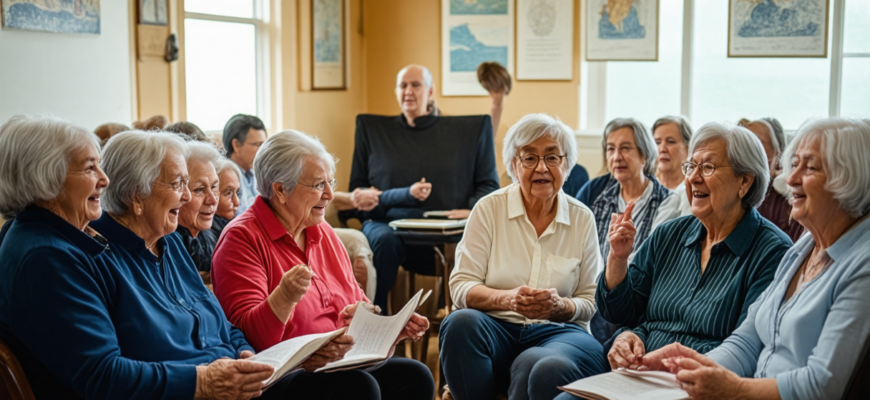
Reaching the age of 60 and beyond often brings profound changes—retirement, shifting social roles, and the opportunity to explore new passions. Among the most rewarding pursuits for seniors are engaging in storytelling and drama clubs at the local community level. These activities not only foster creativity but also promote mental, emotional, and social well-being. This comprehensive guide explores the numerous advantages of participating in storytelling and drama clubs, how to find the right clubs, and tips on making the most of these enriching experiences.
- Understanding Storytelling and Drama Clubs
- What Are Local Storytelling and Drama Clubs?
- The Role of These Clubs in Life After 60
- Benefits of Participating in Storytelling and Drama Clubs After 60
- Mental and Cognitive Benefits
- Emotional and Psychological Benefits
- Social and Community Benefits
- How to Find the Right Storytelling or Drama Club
- Research Local Options
- Visit and Observe
- Ask Questions
- Getting Started: Tips for Successful Participation
- Prepare Mentally and Physically
- Participate Actively
- Develop Basic Skills
- Leverage Resources and Support
- The Impact of Storytelling and Drama on Personal Growth
- Fostering Resilience and Self-Discovery
- Preserving Cultural Heritage
- Cultivating a Lifelong Passion
- Sample Schedule and Activities in a Typical Club
- Addressing Common Concerns and Challenges
- Stage Fright and Performance Anxiety
- Lack of Experience
- Physical Limitations
- Success Stories: Inspiring Examples
- Embrace the Power of Storytelling and Drama in Later Life
- Start Your Journey Today
Understanding Storytelling and Drama Clubs
What Are Local Storytelling and Drama Clubs?
Local storytelling and drama clubs are community-based organizations that gather individuals interested in sharing stories, performing plays, and developing acting skills. These clubs serve as platforms for personal expression, cultural preservation, and social interaction. They often welcome members of all experience levels, from beginners to seasoned performers, and can be found in community centers, libraries, churches, and cultural organizations.
The Role of These Clubs in Life After 60
For seniors, involvement in storytelling and drama clubs offers an array of benefits, including mental stimulation, opportunities for socialization, and avenues for creative expression. They provide a structured yet relaxed environment where older adults can develop new skills, revisit old passions, or discover talent for the first time. Participating in such clubs can significantly improve quality of life during later years, fostering a sense of achievement and belonging.
Benefits of Participating in Storytelling and Drama Clubs After 60
Mental and Cognitive Benefits
- Enhanced Memory and Concentration: Regular practice of memorizing scripts, storytelling sequences, or lines bolsters cognitive functions and memory retention.
- Stimulation of Creativity: Creating characters, narrating stories, and improvising scenes foster creative thinking.
- Delayed Cognitive Decline: Engaging in mentally demanding activities can help in reducing the risk of dementia and cognitive decline.
Emotional and Psychological Benefits
- Boosted Self-Esteem: Performing before an audience or sharing stories encourages confidence and self-expression.
- Stress Relief: The act of storytelling and performing serves as a form of emotional release and relaxation.
- Sense of Achievement: Successfully preparing a story or role fosters a sense of accomplishment and purpose.
Social and Community Benefits
- Expanded Social Network: Meeting new people with similar interests combats loneliness and isolation.
- Enhanced Communication Skills: Regular participation improves verbal expression and listening skills.
- Community Engagement: Contributing to local cultural life creates a sense of belonging and community pride.
How to Find the Right Storytelling or Drama Club
Research Local Options
Start by exploring community centers, libraries, cultural organizations, and religious institutions that often host such clubs. Online community boards and social media groups can also be valuable sources of information. When researching, consider the following criteria:
| Criteria | What to Look For |
|---|---|
| Location | Convenient to travel, accessible by public transport or within walking distance |
| Schedule | Meetings that fit into your routine (weekly, biweekly, or monthly) |
| Membership Requirements | Open to new members, age restrictions, skill levels |
| Activities Offered | Storytelling workshops, theatrical performances, improvisation sessions |
| Cost | Membership fees, participation costs, or donation-based |
| Environment | Friendly, inclusive, encouraging, and supportive atmosphere |
Visit and Observe
Before joining, visit a few sessions if possible. Pay attention to the club’s environment, interactions among members, and the types of activities. This helps in determining whether the club aligns with personal interests and comfort levels.
Ask Questions
Inquire about the club’s goals, typical activities, the level of commitment required, and available support for new members. Clarify whether beginner-level participation is welcomed if you are new to storytelling or acting.
Getting Started: Tips for Successful Participation
Prepare Mentally and Physically
Be open to trying new experiences and stepping out of your comfort zone. Gentle physical warm-ups before sessions can improve flexibility and comfort during performances. Rest well before meetings to stay alert and engaged.
Participate Actively
Engagement is key. Volunteer for roles, contribute your ideas, and practice regularly. Even simple storytelling exercises can significantly boost confidence over time.
Develop Basic Skills
- Storytelling: Focus on clear enunciation, expressive voice modulation, and engaging delivery.
- Acting: Practice body language, facial expressions, and improvisation skills to develop convincing characters.
- Voice Training: Breathing exercises and diction drills help enhance vocal quality.
- Script Reading: Regular reading and rehearsing improve fluency and comprehension.
Leverage Resources and Support
Many clubs offer workshops, guest speakers, or mentorship programs. Take advantage of these to improve your skills and deepen your appreciation for storytelling and theatre arts.
The Impact of Storytelling and Drama on Personal Growth
Fostering Resilience and Self-Discovery
Engaging in storytelling and acting often involves exploring diverse characters and narratives, which can lead to greater self-awareness. Overcoming stage fright or performance anxiety builds resilience and promotes personal growth.
Preserving Cultural Heritage
Older adults can pass down stories, traditions, and folklore through these clubs, contributing to cultural continuity. Sharing personal histories during storytelling sessions can also be a meaningful way to connect with younger generations.
Cultivating a Lifelong Passion
Many seniors discover new hobbies or rekindle old passions through participation in storytelling and drama clubs. These activities often ignite ongoing enthusiasm for arts and culture that can last for years.
Sample Schedule and Activities in a Typical Club
While schedules vary, a typical week in a storytelling or drama club might look like this:
- Week 1: Introduction to storytelling techniques, sharing personal stories, group discussion.
- Week 2: Script reading, improvisation exercises, character development.
- Week 3: Rehearsals for upcoming performance, feedback sessions.
- Week 4: Dress rehearsals, performance night, reflection and community bonding.
Addressing Common Concerns and Challenges
Stage Fright and Performance Anxiety
Many seniors worry about performing in front of others. Techniques such as deep breathing, visualization, and gradual exposure can help overcome these fears. Remember, the goal is self-expression, not perfection.
Lack of Experience
Most clubs embrace beginners warmly. The emphasis is on participation and enjoyment rather than professional-level performance. Patience and practice lead to improvement.
Physical Limitations
If mobility or health issues are a concern, adapt activities accordingly. Many storytelling activities are seated or can be modified to accommodate physical needs.
Success Stories: Inspiring Examples
| Name | Age | Activity | Impact |
|---|---|---|---|
| Maria V. | 68 | Participated in a community theatre troupe | Gained confidence, made new friends, and improved her memory skills |
| Ivan K. | 72 | Led storytelling sessions about local history | Rediscovered love for history and became a community storyteller |
| Olga S. | 65 | Performed in a local comedy play | Overcame stage fright and found joy in performing arts |
Embrace the Power of Storytelling and Drama in Later Life
Participating in local storytelling and drama clubs offers seniors a unique combination of personal growth, social connection, and cultural enrichment. These activities serve as catalysts for lifelong learning, emotional well-being, and community involvement. Whether unearthing family stories, performing on stage, or simply sharing a funny anecdote, older adults can find renewed purpose and joy through creative expression. The vibrant world of storytelling and theatre is accessible to all, and taking that first step can open doors to a richer, more engaging life after 60.
Start Your Journey Today
Explore local clubs, attend a session as a guest, or initiate your own storytelling group within your community. Embrace the opportunity to craft stories, perform, and connect—because age is no barrier to creativity and connection. The power to entertain, inspire, and be inspired resides within everyone, regardless of age.
Похожие записи:
 Embracing Adventure: Participating in Senior Travel Clubs and Enriching Life After 60
  Embracing Creativity and Community: The Benefits of Participating in Local Arts and Crafts Markets After 60
  Embracing the Past: How Participating in Local Heritage and History Societies Enriches Life After 60
  Maximizing Joy and Growth After 60: How Participating in Gardening Clubs and Plant Swaps Enriches Your Life
  Empowering Your Voice: The Benefits of Joining Local Political and Advocacy Groups After 60
  Embracing Joy and Connection: Participating in Local Festivals and Cultural Events After 60
  How to Start a Book Club for Seniors: A Complete Guide to Enriching Life after 60
  Organizing Cultural Exchange Events: Enriching Life After 60
  Embracing Knowledge and Connection: Joining Book Clubs and Literary Discussions After 60
  Taking Up Photography as a Creative Outlet After 60: A Guide to Enriching Life Through the Lens
  Creating a Personal Blog or Online Portfolio: Unlocking New Opportunities in Life After 60
  Discover Fulfilling Volunteering Opportunities for Seniors: A Guide to Staying Active and Engaged After 60
  Embracing the Past: How Seniors Can Actively Participate in Local History and Heritage Projects
  The Benefits of Garden Therapy and Outdoor Activities for Seniors: Embracing Life After 60
  Unlocking Creativity After 60: The Benefits and Guide to Joining Art Classes and Workshops
  The Benefits of Regular Exercise for Seniors: Enhancing Life After 60