
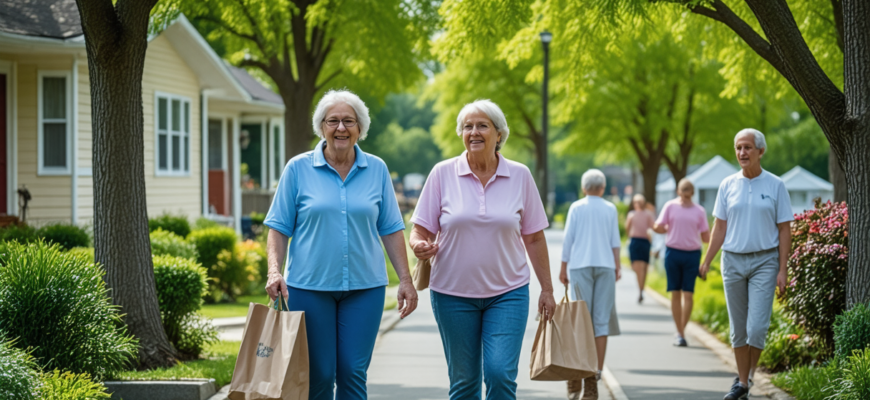
As communities evolve, finding ways to support and connect with older adults becomes increasingly vital. A neighborhood buddy system offers a simple yet powerful approach to foster genuine relationships, enhance safety, and promote active aging. This comprehensive guide will walk you through the essential steps to establish an effective buddy system that benefits seniors and strengthens community bonds.
- Understanding the Concept of a Neighborhood Buddy System
- What Is a Neighborhood Buddy System?
- Benefits for Seniors and Communities
- Planning and Preparing for a Successful Buddy System
- Assessing Community Needs and Resources
- Setting Clear Objectives and Guidelines
- Recruiting and Training Volunteers
- Finding Suitable Volunteers
- Training Volunteer Participants
- Matching Volunteers with Seniors
- Creating Effective Pairings
- Facilitating the Introduction Process
- Maintaining and Growing the Buddy System
- Monitoring Relationships and Providing Support
- Organizing Community Activities
- Scaling and Sustaining the Program
- Sample Tools and Resources for Implementation
- Checklist for Starting a Neighborhood Buddy System
- Useful Form Template
- Volunteer Intake Form
- Creating a Supportive, Connected Community
Understanding the Concept of a Neighborhood Buddy System
What Is a Neighborhood Buddy System?
A neighborhood buddy system is a community-driven initiative where residents, typically seniors, are paired or grouped with neighbors—commonly known as “buddies”—who volunteer to assist with everyday tasks, provide companionship, and promote social engagement. It is rooted in the principle of mutual aid, reinforcing the idea that communities can support their members through active participation and caring relationships.
Benefits for Seniors and Communities
- Enhanced Safety: Regular check-ins can identify urgent health or safety issues early.
- Increased Socialization: Reduces feelings of loneliness and social isolation.
- Support with Daily Tasks: Assistance with shopping, household chores, or transportation.
- Promotion of Active Lifestyle: Encouragement to participate in community activities and maintain independence.
- Community Cohesion: Builds trust, camaraderie, and a sense of belonging among residents.
Planning and Preparing for a Successful Buddy System
Assessing Community Needs and Resources
Before launching a buddy system, it is crucial to evaluate the specific needs of local seniors and available resources. This involves collecting data on:
- Number of seniors living independently in the neighborhood
- Common challenges faced, such as transportation, health issues, or loneliness
- Existing community groups or organizations that can support the initiative
- Volunteer availability and interest among residents
Conduct surveys, hold meetings, or create informational flyers to gather input and foster community awareness about the upcoming project.
Setting Clear Objectives and Guidelines
Define what the buddy system aims to achieve and outline operational parameters:
- Safety Protocols: How to handle emergencies or health concerns
- Matching Criteria: Consider age, interests, location, or language skills
- Roles and Responsibilities: Clarify what volunteers are expected to do
- Time Commitments: Frequency and duration of visits or assistance
- Confidentiality and Respect: Ensuring privacy and dignity for all participants
Recruiting and Training Volunteers
Finding Suitable Volunteers
The success of a neighborhood buddy system heavily depends on committed and empathetic volunteers. Approaches to recruit include:
- Hosting community information sessions
- Distributing flyers in common areas and community centers
- Partnering with local churches, senior centers, or clubs
- Utilizing social media and local newsletters
Training Volunteer Participants
Training ensures that volunteers understand their roles, recognize seniors’ needs, and are equipped to handle various situations. A comprehensive training program covers:
- Communicating effectively with seniors
- Recognizing signs of health issues or abuse
- First aid basics and emergency procedures
- Respecting boundaries and confidentiality
- Creating engaging and respectful companionship
Training sessions can be conducted by healthcare professionals, social workers, or community leaders with relevant experience.
Matching Volunteers with Seniors
Creating Effective Pairings
Pairing should be based on compatibility factors to foster trust and meaningful relationships. Consider:
- Proximity of residences
- Shared interests, hobbies, or backgrounds
- Language proficiency
- Availability and schedules
Develop a matching form or questionnaire to facilitate careful pairing.
Facilitating the Introduction Process
Initial meetings are critical. Organize a casual meet-and-greet, which can be in person or virtual. Provide guidance on:
- Discussing expectations and boundaries
- Sharing contact information and preferred communication methods
- Establishing a plan for regular check-ins
Maintaining and Growing the Buddy System
Monitoring Relationships and Providing Support
Regular follow-ups via phone calls or surveys help assess the effectiveness of pairings. Address issues promptly, and be flexible to rematch if necessary. Establish a feedback mechanism for both seniors and volunteers to suggest improvements.
Organizing Community Activities
Group activities such as weekly coffee gatherings, walking clubs, or hobby classes can strengthen bonds beyond one-on-one pairs. These events encourage community participation and enrich the overall environment.
Scaling and Sustaining the Program
To ensure longevity, consider:
- Creating a dedicated committee or coordinator
- Seeking grants or sponsorships
- Engaging local media to share success stories
- Building partnerships with healthcare providers and local authorities
Sample Tools and Resources for Implementation
Checklist for Starting a Neighborhood Buddy System
| Step | Action | Details |
|---|---|---|
| 1 | Community Assessment | Identify target seniors and resources |
| 2 | Define Goals & Protocols | Set objectives and safety guidelines |
| 3 | Recruit Volunteers | Use outreach and partnerships |
| 4 | Provide Training | Organize workshops and informational sessions |
| 5 | Match Participants | Create compatible pairings |
| 6 | Launch & Monitor | Start the program and gather feedback |
Useful Form Template
Volunteer Intake Form
Creating a Supportive, Connected Community
Establishing a neighborhood buddy system is a thoughtful and practical way to foster a caring environment for seniors after 60. By combining community engagement, tailored matching, and ongoing support, such initiatives can significantly improve quality of life, promote independence, and build lasting bonds among residents. Every small effort contributes to a more connected and compassionate neighborhood, where no one feels alone in later years.
Ultimately, a thriving buddy system can serve as a model of community resilience, demonstrating that age is just a number, and a caring community is the best support a senior can have.
Похожие записи:
 Finding Peer Support Groups for Seniors: A Comprehensive Guide to Building Connections After 60
  Discover Fulfilling Volunteering Opportunities for Seniors: A Guide to Staying Active and Engaged After 60
  Building Bridges: How to Foster Meaningful Intergenerational Relationships After 60
  Embracing the Past: How Seniors Can Actively Participate in Local History and Heritage Projects
  Ensuring Financial Security in Later Years: A Comprehensive Guide to Long-Term Care Planning After 60
  Building Resilience and Emotional Strength in Later Years: A Guide to Thriving After 60
  Building a Legacy for Your Loved Ones: A Comprehensive Guide to Securing Your Life After 60
  Mastering the Art of Collecting: A Comprehensive Guide to Building Your Stamp, Coin, or Art Collection After 60
  Mountain Trekking Adventures for Experienced Seniors: A Guide to Safe and Exciting Exploration After 60
  Rock Climbing and Bouldering for Adventurous Seniors: Embrace the Vertical Challenge After 60
  The Benefits of Regular Exercise for Seniors: Enhancing Life After 60
  Exploring New Fitness Trends for Seniors: Stay Active and Healthy After 60
  The Benefits of Garden Therapy and Outdoor Activities for Seniors: Embracing Life After 60
  Understanding and Managing Grief and Loss in Later Life: A Guide for Seniors
  Cycling Trips for Active Seniors Seeking New Challenges: Unlocking Adventure After 60
  The Transformative Power of Volunteering: Enhancing Senior Mental Health