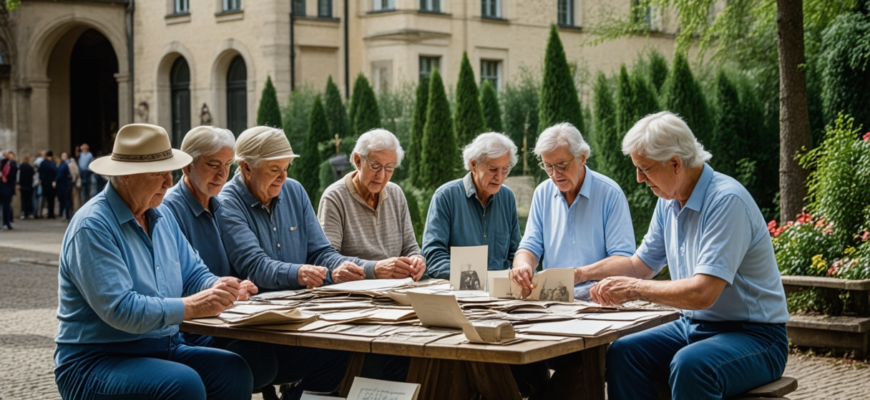
As individuals step into their golden years, they often find themselves with a wealth of life experience, stories, and historical knowledge accumulated over decades. While retirement might signal the end of a professional career, it opens doors to new avenues for personal growth, community engagement, and lifelong learning. One increasingly popular way for seniors to nourish their passions and contribute meaningfully to society is through participation in local history and heritage projects.
This comprehensive guide explores the multifaceted benefits of engaging in such initiatives, offers practical suggestions on how seniors can get involved, and highlights inspiring examples showcasing the positive impact of their contribution. Whether you are a history enthusiast, a storyteller, or simply looking for ways to stay active and socially connected, participating in heritage projects can be a rewarding experience that enriches both personal and community life.
- Understanding the Importance of Local History and Heritage Projects
- What Are Local History and Heritage Projects?
- The Significance of Preserving Local Heritage
- Benefits of Senior Participation in Heritage Projects
- Personal Growth and Lifelong Learning
- Physical Activity and Mental Wellbeing
- Community Connection and Social Engagement
- Leaving a Lasting Legacy
- How Seniors Can Get Involved in Local History and Heritage Projects
- Identify Your Interests and Skills
- Find Local Heritage Organizations
- Volunteer Roles Suitable for Seniors
- Developing New Skills and Knowledge
- Planning and Participating in Heritage Activities
- Steps to Become an Active Participant
- Maintaining Motivation and Overcoming Challenges
- Examples of Successful Senior-Led Heritage Initiatives
- Case Study 1: Oral History Projects
- Case Study 2: Historical Site Restoration
- Case Study 3: Educational Programs
- Practical Tips for Successful Engagement in Heritage Projects
- Heritage as a Lifelong Journey
Understanding the Importance of Local History and Heritage Projects
What Are Local History and Heritage Projects?
Local history and heritage projects involve collecting, preserving, and promoting the historical richness of a particular geographic area. These initiatives can take many forms, including:
- Restoring historical buildings or landmarks
- Documenting oral histories from community members
- Creating local history exhibitions and museums
- Organizing educational tours and presentations
- Publishing books, articles, or digital archives related to local history
- Leading educational workshops for schools and community groups
The Significance of Preserving Local Heritage
Preserving local history and heritage helps communities maintain their unique identity and foster pride among residents. It provides insight into how a community evolved over time, highlighting cultural traditions, significant events, and influential figures. Moreover, these projects foster social cohesion, cultural understanding, and intergenerational connections, making them highly valuable for vibrant, resilient communities.
Benefits of Senior Participation in Heritage Projects
Personal Growth and Lifelong Learning
Engaging in heritage efforts offers seniors intellectual stimulation and continual learning opportunities. Exploring historical topics, researching local archives, or mastering new skills like digital archiving fosters mental agility. Participating actively keeps the mind engaged, enhancing cognitive health and reducing the risk of dementia.
Physical Activity and Mental Wellbeing
Many heritage activities involve light physical movement such as walking tours, restoring sites, or setting up exhibits. These activities contribute to physical health and provide a sense of accomplishment. Additionally, contributing to meaningful projects enhances self-esteem, sense of purpose, and overall psychological wellbeing.
Community Connection and Social Engagement
Participation in heritage projects encourages social interaction, allowing seniors to forge new friendships and strengthen existing ones. Working collaboratively towards common goals fosters a sense of belonging, combating loneliness and social isolation—a common concern in later life stages.
Leaving a Lasting Legacy
By actively contributing to local history preservation, seniors leave a tangible legacy for future generations. This act of remembrance and cultural stewardship can provide a deep sense of fulfillment and purpose, knowing their efforts help preserve the community’s story.
How Seniors Can Get Involved in Local History and Heritage Projects
Identify Your Interests and Skills
Before engaging, consider what aspects of history or heritage excite you personally. Are you passionate about architecture, storytelling, genealogy, or conservation? Recognizing your interests and skills helps narrow down suitable projects and ensures a fulfilling experience.
Find Local Heritage Organizations
Most communities have heritage societies, museums, historical commissions, or cultural associations seeking volunteers. Research local organizations through:
- Community centers
- Municipal websites
- Social media groups
- Word of mouth from community members
Volunteer Roles Suitable for Seniors
Seniors can contribute in numerous ways, including:
- Research and Documentation: Collecting oral histories, maintaining databases, verifying historical facts.
- Restoration Work: Participating in preservation efforts of historical buildings or monuments.
- Guided Tours and Education: Leading or assisting in tours, workshops, or presentations.
- Administrative Support: Helping with organizing events, managing archives, or fundraising.
- Digital Preservation: Digitizing photographs, documents, or recordings for online archives.
Developing New Skills and Knowledge
Many projects offer training sessions for volunteers, allowing seniors to acquire new skills such as digital archiving, photography, or public speaking. Engaging in lifelong learning enhances self-confidence and broadens horizons.
Planning and Participating in Heritage Activities
Steps to Become an Active Participant
- Research: Gather information about local history projects and organizations.
- Connect: Reach out to project coordinators or volunteer coordinators.
- Assess Compatibility: Choose activities aligning with your interests and physical capabilities.
- Get Involved: Attend orientation sessions or training workshops.
- Participate: Engage actively in chosen activities, contributing your skills and knowledge.
- Share and Document: Record your experiences and stories, ensuring they become part of the community’s heritage archive.
Maintaining Motivation and Overcoming Challenges
Challenges such as physical limitations, transportation issues, or technological hurdles may arise. To stay motivated:
- Set personal goals aligned with your interests.
- Seek out projects that offer flexible schedules or remote participation options.
- Connect with fellow volunteers for support and inspiration.
- Leverage technology: use smartphones or tablets to contribute remotely or access archives.
Examples of Successful Senior-Led Heritage Initiatives
Case Study 1: Oral History Projects
In many towns, groups of seniors have led efforts to record the oral histories of long-time residents. These projects have resulted in invaluable archives that document local stories, customs, and personal experiences, enriching community museums or online platforms.
Case Study 2: Historical Site Restoration
Older volunteers often lend their expertise and manual skills to restore historic buildings, ensuring their preservation for future generations. Their experience and dedication often lead to successful restoration undertakings and increased community appreciation for local landmarks.
Case Study 3: Educational Programs
Seniors functioning as guides or educators have established popular local history tours or workshops, fostering intergenerational dialogue and increasing awareness about the community’s heritage.
Practical Tips for Successful Engagement in Heritage Projects
| Tip | Description |
|---|---|
| Start Small | Choose manageable projects to build confidence and stamina gradually. |
| Stay Informed | Attend meetings, subscribe to newsletters, and keep abreast of new initiatives. |
| Leverage Personal Networks | Invite friends or family to join or support your heritage activities. |
| Be Open to Learning | Embrace new skills and technologies that can enhance your contribution. |
| Document Your Journey | Keep a journal or blog to reflect on experiences and share learnings. |
Heritage as a Lifelong Journey
Participating in local history and heritage projects after age 60 offers enriching opportunities to stay active, learn continuously, and give back to the community. These activities not only preserve the cultural fabric of neighborhoods but also foster personal fulfillment, social connection, and a sense of legacy. As communities recognize and value the invaluable contributions of their senior members, embracing heritage work transforms it into a shared journey of discovery, remembrance, and celebration of life’s enduring stories.
Involvement is accessible to everyone willing to explore their past and engage with others. Whether through storytelling, restoration, research, or education, seniors can make a lasting impact that benefits generations to come, reinforcing the timeless bond between history, community, and personal growth.
Похожие записи:
 Embracing Joy and Connection: Participating in Local Festivals and Cultural Events After 60
  Creating a Family Heritage Scrapbook: A Rewarding Journey for Life after 60
  Discovering UNESCO World Heritage Sites After 60: A Guide to Enriching Travel in Your Golden Years
  The Benefits of Garden Therapy and Outdoor Activities for Seniors: Embracing Life After 60
  Embracing Knowledge and Connection: Joining Book Clubs and Literary Discussions After 60
  Embracing Creativity After 60: How Taking Up Photography Can Transform Your Life
  Mastering the Art of Collecting: A Comprehensive Guide to Building Your Stamp, Coin, or Art Collection After 60
  Unmissable Cultural Immersion Experiences for Mature Explorers: Embrace the World After 60
  Conquering Fear: Embracing New Adventure Sports After 60
  Cycling Trips for Active Seniors Seeking New Challenges: Unlocking Adventure After 60
  Embracing a Positive Outlook for Aging Gracefully: Unlocking the Secrets to a Fulfilling Life After 60
  Taking Up Photography as a Creative Outlet After 60: A Guide to Enriching Life Through the Lens
  Embracing Wellness and Adventure After 60: The Perfect Blend for Active, Healthy Living
  Discovering Cultural Festivals Abroad After 60: A Guide to Enriching Your Golden Years
  Building Bridges: How to Foster Meaningful Intergenerational Relationships After 60
  Mountain Trekking Adventures for Experienced Seniors: A Guide to Safe and Exciting Exploration After 60