
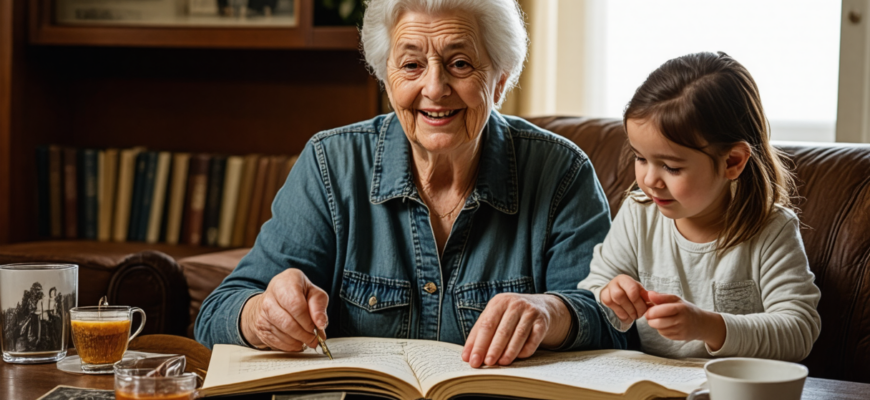
As individuals transition into their golden years, many seek meaningful ways to connect with their roots and preserve their legacy for future generations. One of the most fulfilling and creative methods to achieve this is by creating a family heritage scrapbook. This cherished project not only captures precious memories but also strengthens family bonds and fosters a sense of identity. Whether you’re a seasoned scrapbooker or a complete beginner, embarking on this journey can be both rewarding and enlightening, offering a deep dive into your family’s history and stories.
- What is a Family Heritage Scrapbook?
- The Benefits of Creating a Heritage Scrapbook After 60
- Getting Started with Your Heritage Scrapbook
- 1. Planning Your Project
- 2. Collecting Family Materials
- 3. Organizing Data and Creating Structure
- Designing Your Heritage Scrapbook
- 1. Choosing the Right Format
- 2. Layout and Aesthetic Considerations
- 3. Incorporating Personal Touches
- Tools and Techniques for Creating a Heritage Scrapbook
- Essential Tools
- Techniques to Enhance Your Scrapbook
- Preserving and Maintaining Your Heritage Scrapbook
- Involving Family Members in the Heritage Project
- Embracing Legacy through Creativity
- Additional Resources and Inspiration
- Final Tips for a Successful Heritage Scrapbooking Journey
What is a Family Heritage Scrapbook?
A family heritage scrapbook is a personalized collection of photographs, documents, stories, and memorabilia that narrate the history and legacy of a family. Unlike standard photo albums, heritage scrapbooks are more comprehensive, combining visual elements with written narratives to provide context and meaning. They serve as tangible artifacts that preserve genealogical information, cultural traditions, and personal milestones, making them invaluable for understanding one’s ancestry and fostering a sense of belonging.
The Benefits of Creating a Heritage Scrapbook After 60
- Legacy Preservation: Ensures that family stories, traditions, and histories are passed down to future generations.
- Memory Enhancement: Encourages recalling personal experiences and sharing stories with relatives, which can be both nostalgic and healing.
- Cognitive Engagement: Stimulates mental activity through research, organization, and creativity, promoting cognitive health.
- Family Bonding: Provides a meaningful activity to connect with family members and involve younger generations in heritage discovery.
- Personal Fulfillment: Offers a sense of accomplishment and a deeper understanding of personal and familial identity.
Getting Started with Your Heritage Scrapbook
1. Planning Your Project
Before diving into the creative process, it’s essential to plan your heritage scrapbook systematically. Determine the scope, structure, and goals of your project to ensure a coherent and enjoyable experience.
- Define Your Focus: Decide whether your scrapbook will cover your entire family history or focus on specific branches, ancestors, or themes (e.g., cultural heritage, migration stories, notable family achievements).
- Set a Timeline: Establish a realistic timetable for collecting materials, creating layouts, and finishing the project to stay motivated and organized.
- Gather Supplies: Basic supplies include scrapbooking albums, adhesive, scissors, markers, and decorative elements. Consider special items such as vintage photos, documents, and heirlooms.
2. Collecting Family Materials
The backbone of your heritage scrapbook comprises authentic and meaningful materials. Take the time to gather and organize these items carefully.
- Photographs: Old family photos, portraits, wedding pictures, and candid shots. Label each with names, dates, and context.
- Documents: Birth, marriage, and death certificates; military records; letters; diaries; and certificates of achievement.
- Memorabilia: Heirlooms such as jewelry, clothing, medals, or artifacts that tell a story or hold sentimental value.
- Stories and Interviews: Talk to relatives, especially older family members, to record oral histories and personal anecdotes.
3. Organizing Data and Creating Structure
Designing a logical structure makes your scrapbook more accessible and enjoyable to explore. Consider dividing the content into sections or chapters based on themes, generations, or time periods.
| Section | Content Examples | Suggested Layout |
|---|---|---|
| Early History | Ancestors, migration stories, cultural traditions | Timeline plus family trees |
| Family Milestones | Births, marriages, achievements | Photo collages with captions |
| Personal Stories | Memories, anecdotes, interviews | Written narratives paired with photos |
| Heritage & Traditions | Festivals, recipes, customs | Illustrated pages with artifacts |
Designing Your Heritage Scrapbook
1. Choosing the Right Format
Heritage scrapbooks can be physical albums or digital collections. Each has its advantages:
- Physical Scrapbooks: Tangible, tactile experience, ideal for displaying heirlooms and photographs physically.
- Digital Scrapbooks: Easier to edit, share, and store multiple copies, with options for multimedia integration.
2. Layout and Aesthetic Considerations
Designing engaging pages involves balancing visual appeal with readability:
- Color Scheme: Use colors that complement the photographs and convey the mood or era.
- Typography: Select fonts that are easy to read, and vary sizes for emphasis.
- Decorative Elements: Incorporate borders, stickers, vintage-inspired embellishments, and themed decorations to enrich each page.
3. Incorporating Personal Touches
Adding personal stories and handwritten notes enhances authenticity and warmth. Don’t shy away from including handwritten captions, poetry, or reflections. These elements give your scrapbook character and resonance.
Tools and Techniques for Creating a Heritage Scrapbook
Essential Tools
- High-quality glue or double-sided tape
- Scissors, craft knives, and rulers
- Markers, pens, and decorative writing tools
- Printable templates and design software (for digital scrapbooks)
- Protective sleeves or covers
Techniques to Enhance Your Scrapbook
- Layering: Use overlapping photos and decorative elements for depth.
- Photo Cropping: Focus on important details or features, and preserve authenticity.
- Storytelling: Arrange content chronologically or thematically, linking stories with visuals.
- Using Captions and Annotations: Provide context and preserve facts alongside images.
Preserving and Maintaining Your Heritage Scrapbook
To ensure your heritage scrapbook remains in excellent condition for generations:
- Choose Acid-Free Materials: Use acid-free paper, adhesives, and protective covers to prevent deterioration.
- Store Properly: Keep in a cool, dry place away from direct sunlight to prevent fading and damage.
- Handle with Care: Avoid touching photos directly; use gloves if necessary.
- Digitize Your Work: Create electronic backups or digital versions to safeguard memories against physical damage.
Involving Family Members in the Heritage Project
Heritage scrapbooking is an excellent activity for involving relatives, especially older family members with rich stories to share. Tips for successful collaboration include:
- Organize storytelling sessions or interviews, recording anecdotes and family narratives.
- Create collaborative pages that reflect different family perspectives.
- Encourage younger relatives to contribute drawings, captions, or memories.
- Use technology to share progress and gather input remotely if needed.
Embracing Legacy through Creativity
Creating a family heritage scrapbook after 60 is more than a craft; it’s a meaningful journey into the past that can bring comfort, pride, and a sense of continuity. This project offers a unique opportunity to honor ancestors, celebrate family milestones, and preserve stories that might otherwise be lost to time. Moreover, it becomes a living testament to one’s life and legacy, inspiring future generations to cherish their roots and carry forward their heritage.
Additional Resources and Inspiration
- Scrapbook.com – Supplies and tutorials for scrapbook enthusiasts
- FamilySearch – Free genealogy resources and records
- Ancestry – Extensive genealogical research tools
Final Tips for a Successful Heritage Scrapbooking Journey
- Start with small sections to avoid overwhelm.
- Be patient and enjoy each step of the creative process.
- Seek family stories and memorabilia from relatives willing to share.
- Document every detail to create a comprehensive and personal record.
- Persevere and consider creating updates or additions over time.
Embarking on the creation of a family heritage scrapbook is a priceless endeavor for those in their later years. It not only preserves the past but also enriches the present by fostering connections with loved ones. The culmination of efforts results in a cherished keepsake that embodies family history, cultural identity, and personal memories—a legacy that endures far beyond a lifetime.
Похожие записи:
 Building a Legacy for Your Loved Ones: A Comprehensive Guide to Securing Your Life After 60
  Creating a Personal Blog or Online Portfolio: Unlocking New Opportunities in Life After 60
  Discovering UNESCO World Heritage Sites After 60: A Guide to Enriching Travel in Your Golden Years
  Capturing Memories on Adventure Trips: Essential Tips for Seniors
  Discover the Art of Calligraphy: A Mindful Journey for Those Over 60
  Taking Up Photography as a Creative Outlet After 60: A Guide to Enriching Life Through the Lens
  Embracing Creativity After 60: How Taking Up Photography Can Transform Your Life
  Mastering the Art of Collecting: A Comprehensive Guide to Building Your Stamp, Coin, or Art Collection After 60
  Building Bridges: How to Foster Meaningful Intergenerational Relationships After 60
  Comprehensive Tips for Creating a Safer Home Environment After 60
  Mastering Inheritances and Estate Taxes After 60: A Comprehensive Guide
  Maximizing Joy and Growth After 60: How Participating in Gardening Clubs and Plant Swaps Enriches Your Life
  Embracing Joy and Connection: Participating in Local Festivals and Cultural Events After 60
  Planning a Multi-Generational Adventure Trip: The Ultimate Guide for Life After 60
  Exploring Remote Villages and Towns Globally: A Guide for Life After 60
  Embrace the Thrill: Participating in Adventure Photography During Travel After 60