
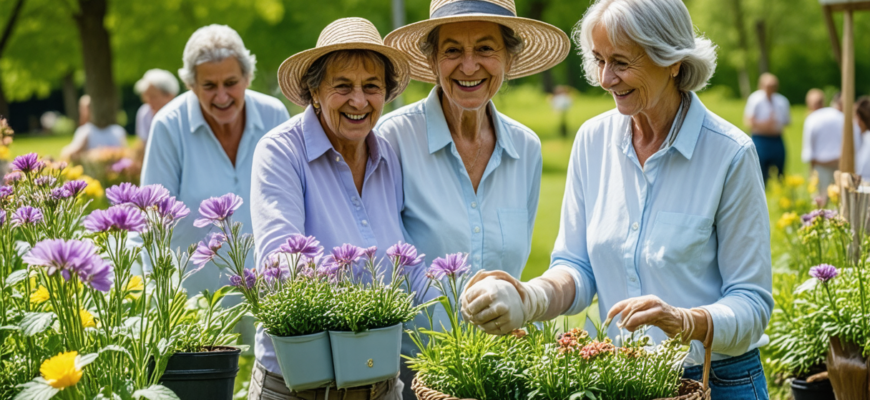
As life progresses beyond the age of 60, many find themselves seeking new opportunities for fulfillment, social connection, and personal growth. Gardening, a timeless activity beloved worldwide, offers a particularly enriching avenue for seniors to stay active, connect with nature, and build communities. One of the most engaging ways to deepen this connection is through participation in gardening clubs and plant swaps. This comprehensive guide explores how these activities can significantly enhance life after 60, fostering not only a green thumb but also a fulfilling social life and mental well-being.
- Understanding Gardening Clubs and Plant Swaps
- What Are Gardening Clubs?
- What Are Plant Swaps?
- The Benefits of Participating in Gardening Clubs and Plant Swaps After 60
- 1. Social Connectivity and Community Building
- 2. Mental and Physical Health Benefits
- 3. Knowledge Enhancement and Skill Development
- 4. Access to a Rich Variety of Plants and Seeds
- 5. Environmental Impact and Sustainable Practices
- Practical Steps to Get Started in Gardening Clubs and Plant Swaps
- Choosing the Right Gardening Club
- Participating in Plant Swaps: A Step-by-Step Guide
- Enhancing Your Gardening Experience in Later Years
- Adapting Gardening Activities for Mobility and Health
- Fostering Intergenerational Connections
- Engaging in Educational and Volunteer Opportunities
- Important Tips for Successful Gardening Club and Plant Swap Participation
- Building Relationships
- Garden and Plant Care Best Practices
- Maximizing the Benefits
- The Social and Emotional Impact of Gardening Clubs and Plant Swaps
- Cultivating a Sense of Purpose
- Reducing Feelings of Isolation
- Fostering Personal Growth and Confidence
- Embrace Gardening Communities for a Vibrant Post-60 Life
- Additional Resources
- Final Thoughts
Understanding Gardening Clubs and Plant Swaps
What Are Gardening Clubs?
Gardening clubs are organized groups of individuals who share an interest in cultivating plants, flowers, vegetables, and herbs. These clubs often host regular meetings, workshops, garden tours, and educational seminars. They serve as a platform for exchanging knowledge, sharing experiences, and fostering a sense of community among gardening enthusiasts of all ages—especially beneficial for seniors seeking social engagement.
What Are Plant Swaps?
Plant swaps are informal or semi-formal events where gardeners exchange cuttings, seedlings, mature plants, seeds, or gardening supplies. These events promote biodiversity, allow for the acquisition of rare or unusual plants, and nurture community bonds through shared passions. For seniors, plant swaps also serve as fantastic opportunities for social interaction and learning from fellow horticulturists.
The Benefits of Participating in Gardening Clubs and Plant Swaps After 60
1. Social Connectivity and Community Building
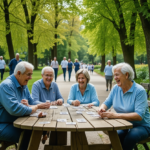
One of the primary advantages of engaging in these activities is the opportunity to connect with like-minded individuals. Social interactions have profound positive effects on mental health, especially vital after retirement or the loss of loved ones. Gardening clubs and plant swaps act as social hubs, promoting camaraderie, friendship, and a sense of belonging.
2. Mental and Physical Health Benefits
Gardening is known for its therapeutic effects, including stress reduction, improved mood, and physical activity benefits. Engaging in gardening clubs and plant exchanges encourages regular movement, coordination, and cognitive stimulation. These activities can help combat feelings of loneliness and depression common in later years.
3. Knowledge Enhancement and Skill Development
Participating in such groups offers continuous learning opportunities. Seniors can gain new gardening techniques, learn about sustainable practices, and discover rare plants or advanced horticultural concepts. This intellectual stimulation keeps the mind sharp and nurtures a lifelong love of learning.
4. Access to a Rich Variety of Plants and Seeds
Plant swaps especially expand the variety of flora available to gardeners. They allow access to unique seeds and plants that might be costly or unavailable commercially. This diversity not only beautifies gardens but also introduces new gardening challenges and joys.
5. Environmental Impact and Sustainable Practices
Active participation in gardening communities often promotes environmentally friendly practices, such as composting, organic gardening, and water conservation. Sharing plants and seeds reduces waste and supports biodiversity, aligning with ecological values.
Practical Steps to Get Started in Gardening Clubs and Plant Swaps
Choosing the Right Gardening Club
- Research local groups—many are advertised via community centers, libraries, or online platforms.
- Attend a few meetings to gauge the group’s interests, activities, and atmosphere.
- Consider clubs that focus on your specific gardening interests, such as vegetable gardening, flowering plants, or native species.
- Ensure the club’s schedule and location fit your lifestyle.
Participating in Plant Swaps: A Step-by-Step Guide
- Identify upcoming plant swap events through community boards, social media, or gardening centers.
- Prepare your plants, seeds, or cuttings—ensure they are healthy and well-labeled.
- Create a list of what you’re willing to exchange and what you seek.
- Bring along gardening tools or supplies that might be of interest to others.
- Engage politely, ask questions, and share your gardening experiences.
- Follow proper plant handling and transport guidelines to keep plants healthy.
- Build relationships with fellow gardeners for future exchanges and advice.
Enhancing Your Gardening Experience in Later Years
Adapting Gardening Activities for Mobility and Health
As mobility might decline, it’s useful to adapt gardening activities. Raised garden beds, ergonomic tools, and container gardening can make tending to plants easier and more comfortable. Participating in gardening clubs often provides access to resources and expert advice on adaptive gardening techniques.
Fostering Intergenerational Connections
Inviting grandchildren or younger family members to participate in gardening and plant swaps can create meaningful bonding experiences. Passing down horticultural knowledge and sharing the joy of plants strengthens family ties and ensures the continuation of gardening traditions.
Engaging in Educational and Volunteer Opportunities
Many gardening clubs organize educational seminars, local conservation projects, or community garden initiatives. Volunteering in these activities not only bolsters community involvement but also enriches personal fulfillment and purpose.
Important Tips for Successful Gardening Club and Plant Swap Participation
Building Relationships
- Be friendly and open to learning from others.
- Offer your expertise when possible—sharing knowledge fosters trust and camaraderie.
- Attend meetings consistently to build long-term relationships.
Garden and Plant Care Best Practices
- Maintain healthy plants; healthy plants are more likely to thrive in swaps.
- Label plants with care instructions and planting tips.
- Respect the rules of plant swaps, including cleanliness and plant health standards.
Maximizing the Benefits
- Set personal goals—whether it’s learning about a new plant type, expanding your garden, or making new friends.
- Stay curious and proactive—ask questions and share your experiences.
- Document your gardening journey through photos or journals to track progress and successes.
The Social and Emotional Impact of Gardening Clubs and Plant Swaps
Cultivating a Sense of Purpose
Engaging in gardening activities after 60 fosters a sense of purpose and achievement. Watching plants grow and flourish brings joy and a feeling of contribution, which positively impacts emotional well-being.
Reducing Feelings of Isolation
Socializing through gardening groups and plant exchanges combats loneliness by creating a community where members support each other’s passions and challenges. Shared experiences create lasting bonds, transforming solitary gardening into a collective joy.
Fostering Personal Growth and Confidence
Learning new gardening techniques and successfully cultivating plants boosts confidence. Celebrating small victories, such as blooms or harvests, reinforces a positive self-image and encourages continued participation.
Embrace Gardening Communities for a Vibrant Post-60 Life
Participation in gardening clubs and plant swaps represents more than just a horticultural activity; it is a pathway to a richer, more connected, and more fulfilling life after 60. These activities promote physical health, mental well-being, lifelong learning, and meaningful social interaction. As gardens flourish and friendships deepen, seniors discover that the joys of gardening extend far beyond the soil—planting seeds of happiness, community, and personal growth that grow stronger with each passing year.
Additional Resources
| Resource | Description | Link |
|---|---|---|
| National Garden Clubs | Organizes local gardening clubs and events across the country. | gardenclubs.org |
| Local Community Centers | Find gardening groups and events in your area. | Check local listings or community boards |
| Online Plant Swap Platforms | Connects gardeners for virtual or local plant exchanges. | plantswap.io |
Final Thoughts
Getting involved in gardening communities and plant exchanges is an enriching pursuit that offers numerous benefits tailored especially for seniors. It nurtures the body, mind, and spirit, creating a vibrant, supportive environment where plant lovers of all ages can thrive together. So, whether you’re harvesting the fruits of your labor or sharing your favorite perennial with a neighbor, know that every bloom and handshake brings new joy and growth into your life after 60.
Похожие записи:
 Embracing Knowledge and Connection: Joining Book Clubs and Literary Discussions After 60
  Embracing Joy and Connection: Participating in Local Festivals and Cultural Events After 60
  The Benefits of Garden Therapy and Outdoor Activities for Seniors: Embracing Life After 60
  Maximizing Retirement Income: Investing in Dividend-Paying Stocks After 60
  Embrace the Thrill: Participating in Adventure Photography During Travel After 60
  Taking Up Photography as a Creative Outlet After 60: A Guide to Enriching Life Through the Lens
  Embracing Creativity After 60: How Taking Up Photography Can Transform Your Life
  Creating a Personal Blog or Online Portfolio: Unlocking New Opportunities in Life After 60
  Farm Stays and Rural Experiences Abroad: A Guide for Life After 60
  Understanding and Managing Grief and Loss in Later Life: A Guide for Seniors
  Embracing a Positive Outlook for Aging Gracefully: Unlocking the Secrets to a Fulfilling Life After 60
  Mastering the Art of Collecting: A Comprehensive Guide to Building Your Stamp, Coin, or Art Collection After 60
  Unlocking Creativity After 60: The Benefits and Guide to Joining Art Classes and Workshops
  The Benefits of Regular Exercise for Seniors: Enhancing Life After 60
  Ultimate Guide: How to Start Backpacking After 60 and Embrace an Adventurous Life
  The Impact of Social Activities on Mental Health After 60