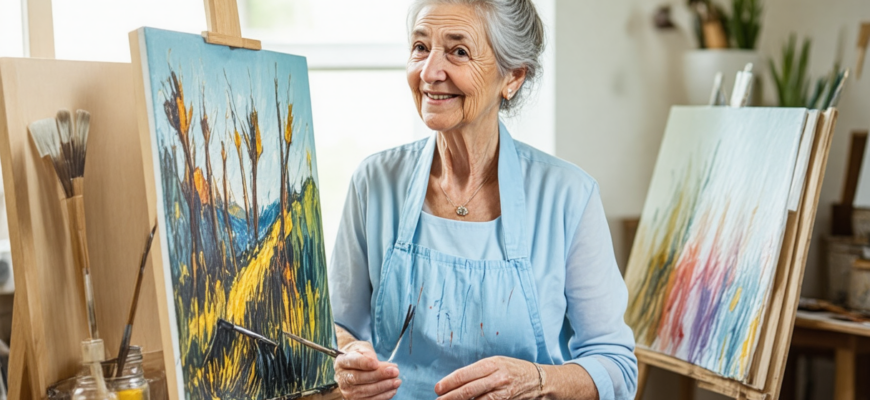
Entering our sixties often brings a new perspective on life, a desire for personal growth, and an interest in exploring new passions. Among the most fulfilling activities for older adults is engaging in artistic pursuits such as painting, drawing, or crafting. Joining art classes and workshops after 60 not only nurtures creativity but also offers numerous physical, mental, and social benefits. This comprehensive guide explores why more seniors are turning to art, how to find the right classes, and what to expect from this enriching experience.
- The Importance of Artistic Engagement in Later Life
- Physical and Cognitive Benefits of Art Classes for Seniors
- Social Benefits of Joining Art Classes and Workshops
- Types of Art Classes Suitable for People Over 60
- 1. Painting and Drawing
- 2. Sculpture and Crafting
- 3. Art Therapy and Mindfulness Art
- 4. Digital Art and Photography
- How to Choose the Right Art Class or Workshop
- Assess Your Interests and Goals
- Consider Your Physical Abilities
- Evaluate Class Structure and Environment
- Research and Find Reputable Programs
- Getting Started: What to Expect From Your First Art Class
- Essential Materials and Supplies for Senior Art Students
- Overcoming Challenges in Artistic Pursuits After 60
- Physical Limitations
- Choosing Appropriate Pacing
- Building Confidence
- Success Stories: Inspiration from Senior Artists
- Additional Resources
The Importance of Artistic Engagement in Later Life
Participating in visual arts can significantly enhance the quality of life for seniors. Creativity stimulates the brain, maintains dexterity, and encourages social interaction. It acts as a form of self-expression, helps cope with stress, and provides a sense of accomplishment. Moreover, art can serve as a therapeutic activity, reducing feelings of loneliness and depression often experienced in later years.
Physical and Cognitive Benefits of Art Classes for Seniors
| Benefits | Explanation |
|---|---|
| Enhanced Fine Motor Skills | Drawing, painting, and sculpting improve hand-eye coordination and manual dexterity. |
| Brain Stimulation | Learning new techniques and concepts helps maintain cognitive function. |
| Stress Reduction | Creative activities promote relaxation and reduce anxiety levels. |
| Memory Improvement | Recollecting techniques and process steps aids memory retention. |
| Self-esteem and Confidence | Creating personal artwork fosters pride and a positive self-image. |
Social Benefits of Joining Art Classes and Workshops
- Building new friendships with like-minded individuals.
- Participating in group projects and exhibitions helps foster a sense of community.
- Encouragement and constructive feedback from instructors boost motivation.
- Shared creative experiences combat loneliness and promote social integration.
Types of Art Classes Suitable for People Over 60
1. Painting and Drawing
Includes watercolor, acrylic, oil painting, sketching, and pastel art. These classes focus on developing artistic techniques and personal expression.
2. Sculpture and Crafting
Working with clay, wood, or fabric to create three-dimensional art pieces enhances spatial awareness and motor skills.
3. Art Therapy and Mindfulness Art
Utilizes art as a form of therapy for emotional expression and stress relief, often led by licensed professionals.
4. Digital Art and Photography
For those interested in modern techniques, classes include digital illustration, photo editing, and smartphone photography.
How to Choose the Right Art Class or Workshop
Assess Your Interests and Goals
Decide whether you want to pursue a specific art form or explore multiple techniques. Clarify whether your focus is on learning new skills, self-expression, or social interaction.
Consider Your Physical Abilities
Choose classes that match your mobility and dexterity levels. For example, if fine motor skills are limited, look for classes that emphasize larger movements or adaptive techniques.
Evaluate Class Structure and Environment
- Group Size: Smaller groups may allow for more personalized attention.
- Instructor Experience: Preferably with experience teaching seniors or special needs populations.
- Location and Schedule: Accessible venues with flexible timing options.
- Cost: Ensure it fits within your budget, and inquire about materials included.
Research and Find Reputable Programs
Use community centers, senior centers, art schools, and online resources to identify suitable classes. Reading reviews or talking to former students can provide valuable insights.
Getting Started: What to Expect From Your First Art Class
- Preparation: Wear comfortable clothing, bring necessary materials (or confirm what is provided), and arrive with an open mind.
- Instructors typically introduce the class, outline objectives, and foster a welcoming environment.
- Basic Techniques: Beginners usually learn foundational skills, including color mixing, sketches, and simple composition.
- Hands-On Practice: Ample time is given for experimentation and creating personal projects.
- Feedback: Constructive critique and peer review help improve skills and encourage growth.
Essential Materials and Supplies for Senior Art Students
| Material | Description | Approximate Cost |
|---|---|---|
| Sketchbooks | For practicing sketches and ideas. | $5 – $20 |
| Paints | Watercolors, acrylics, or oils depending on preference. | $10 – $50 |
| Brushes | Various sizes and types for different techniques. | $8 – $30 for a set |
| Palettes | Mixing colors; can be plastic or ceramic. | $5 – $15 |
| Canvas or Paper | Surface for painting. | $5 – $30 |
| Clay or Sculpting Materials | Sculpting clay, wireframes, carving tools. | $10 – $40 |
Overcoming Challenges in Artistic Pursuits After 60
Physical Limitations
Adaptive tools and ergonomic supplies can make art activities more comfortable. For example, textured grips on brushes or adjustable easels are helpful.
Choosing Appropriate Pacing
Start with short sessions and gradually increase duration as endurance improves. Emphasize enjoyment over technical perfection.
Building Confidence
Focus on the process rather than the product. Celebrate small achievements and personal progress to foster motivation.
Success Stories: Inspiration from Senior Artists
Across the world, countless seniors have discovered new talents through art classes, leading to exhibitions, published works, and personal fulfillment. Their journeys underscore that age is no barrier to creativity and self-expression.
Joining art classes and workshops after 60 is a transformative experience that invigorates the mind, body, and soul. Whether seeking a new hobby, a form of therapy, or a way to connect with others, seniors can find immense benefits in exploring the world of art. It opens doors to endless possibilities, allowing seniors to enjoy their golden years with expressive freedom, new friendships, and a renewed zest for life. Embrace this creative voyage, and discover the vibrant world waiting just beyond the threshold of retirement.
Additional Resources
- Local community centers and senior centers offering art programs.
- Online platforms with courses designed for seniors.
- Books and tutorials on beginner art techniques.
- Art therapy organizations providing professional support.
Похожие записи:
 Embracing Creativity After 60: How Taking Up Photography Can Transform Your Life
  Exploring Painting and Drawing for Relaxation: A Creative Path to Serenity After 60
  Embracing Knowledge and Connection: Joining Book Clubs and Literary Discussions After 60
  Taking Up Photography as a Creative Outlet After 60: A Guide to Enriching Life Through the Lens
  Understanding Social Security Benefits After 60: A Comprehensive Guide
  Embracing a Positive Outlook for Aging Gracefully: Unlocking the Secrets to a Fulfilling Life After 60
  The Benefits of Garden Therapy and Outdoor Activities for Seniors: Embracing Life After 60
  The Benefits of Regular Exercise for Seniors: Enhancing Life After 60
  Cycling Trips for Active Seniors Seeking New Challenges: Unlocking Adventure After 60
  Building Resilience and Emotional Strength in Later Years: A Guide to Thriving After 60
  Meditation and Mindfulness Practices for Stress Relief: A Guide for Those Over 60
  Farm Stays and Rural Experiences Abroad: A Guide for Life After 60
  Discovering Cultural Festivals Abroad After 60: A Guide to Enriching Your Golden Years
  Embrace the Thrill: Participating in Adventure Photography During Travel After 60
  Understanding and Managing Grief and Loss in Later Life: A Guide for Seniors
  Unmissable Cultural Immersion Experiences for Mature Explorers: Embrace the World After 60