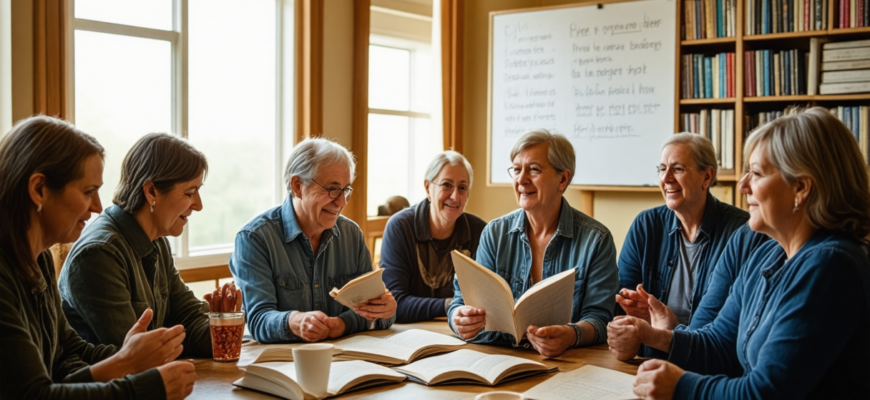
As individuals transition into the vibrant phase of life after 60, many seek meaningful ways to enrich their days, foster social connections, and stimulate their minds. Engaging in book clubs and literary discussions offers an excellent avenue to achieve these goals. These activities are more than just about reading; they are about shared experiences, lifelong learning, and building a community of like-minded enthusiasts. This comprehensive guide explores the many advantages of participating in book clubs and literary discussions for those over 60, offering practical tips, benefits, and insights into making these pursuits a rewarding part of retirement or senior life.
- The Significance of Reading and Literary Engagement in Later Years
- Physical and Cognitive Benefits of Reading
- Why Join Book Clubs and Literary Discussions?
- Fostering Social Connections and Community
- Stimulating Mental Activity
- Encouraging Lifelong Learning
- Providing Emotional and Creative Outlet
- How to Get Started with a Book Club or Literary Discussion Group
- 1. Identifying Your Interests and Goals
- 2. Finding or Creating a Group
- 3. Establishing Group Logistics
- 4. Choosing Engaging Reading Material
- 5. Making Meetings Enjoyable and Inclusive
- Popular Genres and Book Choices for Readers Over 60
- Genres
- Sample List of Popular Books
- Overcoming Challenges and Staying Motivated
- Common Challenges
- Tips for Maintaining Engagement
- Using Technology to Enhance Literary Engagement
- Advantages of Virtual Participation
- Recommended Platforms and Resources
- Enhancing the Literary Experience with Related Activities
- Ideas for Enriching Literary Gatherings
- Maintaining the Joy of Literary Pursuits Over Time
- The Transformative Power of Literary Engagement in Later Life
- Start Your Literary Journey Today
The Significance of Reading and Literary Engagement in Later Years
Reading has long been recognized as a vital activity for maintaining mental agility, emotional well-being, and social connectivity. For individuals over 60, reading can serve as a gateway to new ideas, cultures, histories, and perspectives, thereby broadening horizons and keeping the mind active. Engaging with literature can also foster a sense of achievement and purpose, especially when shared with others.
Physical and Cognitive Benefits of Reading
- Enhancement of Cognitive Function: Regular reading stimulates neural pathways, maintaining brain plasticity and reducing cognitive decline.
- Memory Improvement: Remembering plot details, character traits, and discussion points helps bolster memory retention.
- Stress Reduction: Immersive reading provides an escape from everyday stressors, promoting relaxation and mental peace.
- Vocabulary Expansion: Exposure to diverse vocabulary fosters language skills and verbal fluency.
- Emotional Well-being: Literature can evoke empathy, introspection, and emotional resilience.
Why Join Book Clubs and Literary Discussions?
Participating in book clubs and literary discussions offers numerous advantages specifically appealing to the over-60 demographic. These activities create opportunities not only to engage with captivating stories but also to build social bonds, pursue personal growth, and maintain an active lifestyle. Several key reasons include:
Fostering Social Connections and Community
Many seniors face the challenge of social isolation, which can negatively impact mental health. Book clubs provide a social outlet where members share common interests and forge meaningful relationships. Regular meetings foster a sense of belonging and camaraderie, helping to combat loneliness.
Stimulating Mental Activity
Discussing complex themes, analyzing characters, and interpreting narratives keep the mind engaged. This mental stimulation is linked to delayed cognitive decline and promotes lifelong learning.
Encouraging Lifelong Learning
Book clubs introduce members to new genres, authors, and ideas, fostering continuous education. They serve as a platform for exploring diverse perspectives, expanding cultural awareness, and developing critical thinking skills.
Providing Emotional and Creative Outlet
Sharing personal reflections, emotional reactions, and interpretations enriches the reading experience. Literary discussions can also inspire creative pursuits such as writing, poetry, or storytelling.
How to Get Started with a Book Club or Literary Discussion Group
If you are considering joining or forming a book club or literary discussion group, here are essential steps to set the foundation for a successful experience:
1. Identifying Your Interests and Goals
Determine what genres, themes, or authors excite you. Clarify whether your focus is on socialization, intellectual growth, or a combination of both. Having clear goals will help in choosing the right group.
2. Finding or Creating a Group
- Existing Groups: Search local community centers, libraries, senior centers, or online platforms for active book clubs in your area.
- Starting Your Own: Connect with friends, family, or neighbors interested in reading. Use social media, community bulletin boards, or local bulletin boards to invite others.
3. Establishing Group Logistics
- Frequency of Meetings: Weekly, bi-weekly, or monthly sessions.
- Meeting Format: In-person at a community hall, library, or virtually via video conferencing tools.
- Book Selection: Rotating selection among members or decided by consensus.
- Discussion Guidelines: Encouraging respectful dialogue, open-mindedness, and participation.
4. Choosing Engaging Reading Material
Select books that are accessible, diverse, and stimulating. Consider including a mix of classics, contemporary works, non-fiction, poetry, and local authors. Ensure the selections cater to varied interests and reading levels.
5. Making Meetings Enjoyable and Inclusive
- Encourage participation from all members, respecting differing opinions.
- Incorporate themed discussions, author visits, or related activities (e.g., movie adaptations, art, cuisine).
- Foster a warm, friendly environment where members feel comfortable sharing thoughts.
Popular Genres and Book Choices for Readers Over 60
Choosing the right reading material is crucial for maintaining enthusiasm and engagement. Here are some genres and specific titles that resonate well with older adults:
Genres
- Historical Fiction: Rich in storytelling and cultural insight.
- Biographies and Memoirs: Personal stories offering inspiration and life lessons.
- Classic Literature: Timeless works that continue to influence modern writing.
- Contemporary Fiction: Current themes relevant to today’s society.
- Poetry and Thematic Collections: For emotional expression and reflection.
- Non-Fiction (Science, Health, Travel, Art): Informative and educational topics.
Sample List of Popular Books
| Title | Author | Genre | Brief Description |
|---|---|---|---|
| “The Nightingale” | Kristin Hannah | Historical Fiction | A gripping tale set during World War II focusing on the resilience of women. |
| “Becoming” | Michelle Obama | Memoir | Insights into the life of the former First Lady, sharing personal stories and experiences. |
| “Pride and Prejudice” | Jane Austen | Classic Literature | A timeless romance exploring social manners and personal growth. |
| “A Man Called Ove” | Fredrik Backman | Contemporary Fiction | A humorous and touching story about community and second chances. |
| “The Old Curiosity Shop” | Charles Dickens | Classic Literature | An adventurous story emphasizing compassion and morality. |
Overcoming Challenges and Staying Motivated
While joining a book club or engaging in literary discussions can be incredibly rewarding, some challenges might arise. Recognizing and addressing these obstacles ensures a sustained, enriching experience.
Common Challenges
- Health Issues: Vision or hearing impairments may hinder participation. Solutions include large-print books and hearing assistance devices.
- Mobility Restrictions: Choosing accessible venues or virtual meetings can accommodate physical limitations.
- Lack of Confidence: Some seniors may feel hesitant to voice opinions. Gentle encouragement and inclusive leadership help foster confidence.
- Time Management: Balancing social activities with personal routines requires flexibility.
Tips for Maintaining Engagement
- Set achievable reading schedules and meeting times.
- Use digital tools and audiobooks to diversify formats.
- Encourage members to suggest books and topics, fostering ownership.
- Celebrate milestones and shared successes with small events or acknowledgments.
Using Technology to Enhance Literary Engagement
Technology has revolutionized how seniors participate in literary communities. Virtual book clubs, online discussion forums, and digital libraries open new avenues for involvement.
Advantages of Virtual Participation
- Accessibility for those with mobility issues or living in remote areas.
- Flexibility to join meetings from home, reducing travel concerns.
- Access to a broader selection of books and authors.
- Opportunity to connect with diverse groups beyond geographical boundaries.
Recommended Platforms and Resources
- Zoom, Microsoft Teams, Skype: For live discussions and meetings.
- Goodreads: Online community for book recommendations and reviews.
- Project Gutenberg: Access to thousands of free classic e-books.
- Audiobook Services: Audible, LibriVox, and local library apps for listening on the go.
Enhancing the Literary Experience with Related Activities
Complementing reading and discussion sessions with additional activities can deepen engagement and make the experience more enjoyable:
Ideas for Enriching Literary Gatherings
- Author Visits and Talkbacks: Linking with local authors or literary festivals.
- Book-Related Crafts: Creating art inspired by the book themes.
- Movie Adaptations: Watching film versions and comparing narratives.
- Themed Potlucks: Serving cuisine related to the story’s setting or characters.
- Writing Workshops: Encouraging members to compose poetry, stories, or reflections.
Maintaining the Joy of Literary Pursuits Over Time
Continuity and adaptation are key to lifelong engagement with literature. Here are some strategies to preserve enthusiasm for participating in book clubs and literary discussions well beyond 60:
- Regularly update reading lists to include fresh titles and genres.
- Introduce new members to keep the group dynamic and vibrant.
- Celebrate milestones, such as anniversaries, group achievements, or personal successes.
- Encourage members to share their own stories, memories, and cultural insights.
- Balance structured activities with spontaneous discussions and socializing.
The Transformative Power of Literary Engagement in Later Life
Joining book clubs and participating in literary discussions offer seniors an exceptional way to stay mentally active, socially connected, and emotionally fulfilled. These activities embody the spirit of lifelong learning and curiosity, proving that the journey of discovery does not end with retirement but evolves into a new adventure filled with stories, ideas, and shared experiences. By embracing the world of literature, those over 60 can enrich their lives, forge lasting friendships, and continue growing as individuals—demonstrating that age is no barrier to intellect, passion, and community.
Start Your Literary Journey Today
Whether through local community groups, virtual platforms, or forming your own gathering, the door to a world of stories and connections is open. Take the first step towards a fulfilling literary life after 60—your next great adventure awaits within the pages of a book and the conversations they ignite.
Похожие записи:
 The Benefits of Garden Therapy and Outdoor Activities for Seniors: Embracing Life After 60
  Conquering Fear: Embracing New Adventure Sports After 60
  Embracing a Positive Outlook for Aging Gracefully: Unlocking the Secrets to a Fulfilling Life After 60
  Embracing Wellness and Adventure After 60: The Perfect Blend for Active, Healthy Living
  Staying Socially Connected to Enhance Mental Well-being After 60
  Embracing Solo Travel Adventures in Later Years: A Guide for the Over 60s
  Building Bridges: How to Foster Meaningful Intergenerational Relationships After 60
  The Impact of Social Activities on Mental Health After 60
  Building a Legacy for Your Loved Ones: A Comprehensive Guide to Securing Your Life After 60
  Building Resilience and Emotional Strength in Later Years: A Guide to Thriving After 60
  Understanding and Managing Grief and Loss in Later Life: A Guide for Seniors
  The Transformative Power of Volunteering: Enhancing Senior Mental Health
  Exploring Painting and Drawing for Relaxation: A Creative Path to Serenity After 60
  Planning a Multi-Generational Adventure Trip: The Ultimate Guide for Life After 60
  Exploring Holistic Approaches to Senior Wellness: A Guide to Thriving After 60
  Achieving Harmony: Balancing Work and Relaxation for Well-Being After 60