
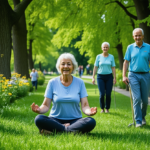
Reaching the age of 60 and beyond is a significant milestone that invites reflection, renewal, and a fresh approach to well-being. In recent years, many seniors have discovered the profound benefits of engaging in yoga and mindfulness practices. These gentle yet powerful techniques not only promote physical health but also nurture mental clarity and emotional resilience. Whether new to such practices or looking to deepen an existing routine, embracing yoga and mindfulness can profoundly enhance quality of life during these golden years.
- Understanding Yoga and Mindfulness: Foundations for a Healthier Retirement
- What is Yoga?
- What is Mindfulness?
- The Benefits of Practicing Yoga and Mindfulness After 60
- Physical Benefits
- Mental and Emotional Benefits
- Social and Lifestyle Benefits
- Getting Started: How to Incorporate Yoga and Mindfulness into Daily Life
- Choosing the Right Yoga Style
- Integrating Mindfulness into Daily Routine
- Creating a Sustainable Routine
- Practical Tips for a Safe and Enjoyable Practice
- Safety Precautions
- Sample Simple Yoga Sequence for Seniors
- Overcoming Common Challenges and Staying Motivated
- Dealing with Physical Limitations
- Maintaining Consistency
- Staying Inspired
- The Science Behind Yoga and Mindfulness: Evidence Supporting Their Benefits
- Research Highlights
- Key Scientific Formulas and Data
- Incorporating Mindfulness and Yoga into a Holistic Lifestyle
- Complementary Practices
- Educational Resources and Support
- Embracing a Mindful and Active Life After 60
Understanding Yoga and Mindfulness: Foundations for a Healthier Retirement
What is Yoga?
Yoga is an ancient discipline originating from India, combining physical postures (asanas), breath control (pranayama), meditation, and ethical principles. Its holistic approach fosters harmony between the body, mind, and spirit. Unlike high-impact workouts, yoga emphasizes gentle movements that can be adapted to any fitness level, making it ideally suited for seniors seeking to maintain flexibility, strength, and balance.
What is Mindfulness?
Mindfulness is the practice of paying deliberate, non-judgmental attention to the present moment. It involves cultivating awareness of thoughts, feelings, bodily sensations, and surroundings without attachment or aversion. Regular mindfulness practice reduces stress, enhances emotional regulation, and promotes a sense of calm—key benefits well-suited to navigating the changes and challenges that may come with aging.
The Benefits of Practicing Yoga and Mindfulness After 60
Physical Benefits
- Improved Flexibility and Balance: Gentle yoga postures help increase joint mobility and stability, reducing the risk of falls.
- Enhanced Strength: Regular practice contributes to muscle tone and endurance vital for daily activities.
- Better Posture: Correct alignment reduces back and neck pain often associated with aging.
- Cardiovascular Health: Certain styles of yoga support heart health through better circulation and stress reduction.
Mental and Emotional Benefits
- Reduced Stress and Anxiety: Mindfulness fosters relaxation and resilience against life’s pressures.
- Enhanced Cognitive Function: Both yoga and meditation promote mental clarity, memory, and concentration.
- Greater Emotional Stability: Mindful awareness helps manage mood swings and feelings of sadness or loneliness.
- Increased Sense of Well-being: A daily practice nurtures inner peace and joy.
Social and Lifestyle Benefits
- Community Engagement: Participating in group classes fosters social connections and combats isolation.
- Increased Energy Levels: Regular activity revitalizes vitality and motivation for daily tasks.
- Self-awareness and Personal Growth: Reflective practices encourage ongoing self-discovery and acceptance.
Getting Started: How to Incorporate Yoga and Mindfulness into Daily Life
Choosing the Right Yoga Style
Various styles of yoga cater to different needs and preferences. For seniors, the most suitable options include:
- Hatha Yoga: Focuses on basic postures and breathing, ideal for beginners.
- Restorative Yoga: Emphasizes relaxation through supported poses, perfect for stress relief.
- Chair Yoga: Utilizes a chair for stability, ideal for limited mobility or balance issues.
- Yin Yoga: Involves long-held stretches that deepen flexibility.
2.
3.
4.
Integrating Mindfulness into Daily Routine
Practicing mindfulness does not require a dedicated time slot—it can be woven into everyday activities. Some practical tips include:
- Begin the day with a few minutes of mindful breathing.
- Practice mindful eating by savoring each bite without distraction.
- Take short breaks during tasks to pause and observe sensations or thoughts.
- Engage in walking meditation, paying attention to each step and surroundings.
- Use guided meditation apps or audio tracks tailored for seniors.
Creating a Sustainable Routine
Success in adopting these practices lies in consistency. Consider the following strategies:
- Start with short, manageable sessions—10 to 15 minutes daily.
- Set specific, achievable goals to maintain motivation.
- Make use of community classes or online resources specialized for seniors.
- Keep a journal to track progress and reflect on experiences.
- Be patient and gentle with oneself, embracing gradual improvement.
Practical Tips for a Safe and Enjoyable Practice
Safety Precautions
- Consult with a healthcare provider before beginning any new exercise regimen, especially if you have pre-existing conditions.
- Choose a comfortable, quiet space free of obstacles.
- Wear loose, comfortable clothing and appropriate footwear or none at all during yoga.
- Listen to your body—avoid pushing into pain or discomfort.
- Modify poses as needed; use props such as blocks, straps, or chairs for support.
Sample Simple Yoga Sequence for Seniors
| Pose | Description | Duration/Repetitions |
|---|---|---|
| Neck Stretches | Gently tilt head side to side, forward, and backward to release tension. | 5 rounds each direction |
| Seated Cat-Cow | Alternately arch and round the back while seated to improve spinal flexibility. | 10 repetitions |
| Standing Forward Bend | Hinge at the hips and gently stretch the hamstrings. | Hold for 20 seconds |
| Chair Twist | Twist torso while seated to enhance spinal mobility and digestion. | 5 twists each side |
| Deep Breathing (Pranayama) | Practice diaphragmatic breathing to relax the nervous system. | 5 minutes |
Overcoming Common Challenges and Staying Motivated
Dealing with Physical Limitations
It is common for seniors to encounter issues such as joint stiffness, limited mobility, or balance concerns. Adaptive techniques include:
- Using chairs or walls for support.
- Modifying poses to avoid strain.
- Focusing on breath and mental aspects more than physical perfection.
Maintaining Consistency
- Establish a routine by practicing at the same time each day.
- Join group classes or online communities for accountability.
- Celebrate small achievements to reinforce positive habits.
Staying Inspired
Explore various resources such as instructional videos, books, or community events related to yoga and mindfulness for seniors. Sharing experiences with peers can also boost motivation and enjoyment.
The Science Behind Yoga and Mindfulness: Evidence Supporting Their Benefits
Research Highlights
A multitude of scientific studies underline the positive effects of yoga and mindfulness for older adults. Key findings include:
- Enhanced flexibility and balance leading to fewer falls.
- Significant reduction in cortisol levels, associated with stress decrease.
- Improvements in sleep quality and quality of life indices.
- Enhanced immune function and cardiovascular markers.
Key Scientific Formulas and Data
While not all health benefits can be expressed through formulas, some relevant data include:
- Vitality Index: (Flexibility + Balance + Mental Clarity) / 3
- Stress Reduction Rate: (Baseline Cortisol Level – Post-Practice Level) / Baseline Level × 100%
Incorporating Mindfulness and Yoga into a Holistic Lifestyle
Complementary Practices
Beyond yoga and meditation, consider integrating other healthy habits:
- Healthy nutrition tailored to aging needs.
- Regular cardiovascular activity like walking or swimming.
- Adequate hydration and sleep hygiene.
- Engagement in hobbies and social activities for mental stimulation.
Educational Resources and Support
Many organizations offer specific programs designed for seniors interested in yoga and mindfulness. Look for certified instructors trained in senior-friendly techniques and accessible class formats.
Embracing a Mindful and Active Life After 60
Adopting yoga and mindfulness practices in later life provides a pathway to enhanced physical health, mental clarity, emotional balance, and social engagement. These gentle but effective techniques empower seniors to maintain independence, cultivate inner peace, and enjoy a vibrant, fulfilling retirement. With patience, consistency, and an open mind, it is possible to uncover new depths of well-being and joy during life’s golden years.
Remember: the journey to wellness after 60 is uniquely personal. Embrace the process, honor your progress, and celebrate the serenity that comes with mindful living.
Похожие записи:
 Embracing Wellness After 60: The Benefits of Attending Group Meditation and Yoga Classes
  Meditation and Mindfulness Practices for Stress Relief: A Guide for Those Over 60
  Exploring Painting and Drawing for Relaxation: A Creative Path to Serenity After 60
  The Transformative Power of Volunteering: Enhancing Senior Mental Health
  Practicing Meditation and Relaxation Techniques: A Comprehensive Guide for Life After 60
  Mastering Balance and Well-Being After 60: The Power of Tai Chi and Balance Exercises
  Exploring Alternative Therapies for Wellness: A Guide for Life After 60
  Practicing Tai Chi and Qi Gong: Unlocking Vitality and Balance After 60
  Embracing Wellness and Adventure After 60: The Perfect Blend for Active, Healthy Living Mental Wellness Tips for Older Adults: Embracing a Fulfilling Life After 60
  Embracing a Positive Outlook for Aging Gracefully: Unlocking the Secrets to a Fulfilling Life After 60
  Embracing Creativity After 60: How Taking Up Photography Can Transform Your Life Embracing Healthy Aging Through Proper Skincare: A Guide to Radiant Life After 60
  The Benefits of Garden Therapy and Outdoor Activities for Seniors: Embracing Life After 60
  Exploring Holistic Approaches to Senior Wellness: A Guide to Thriving After 60 Embracing Vitality: The Benefits and Tips for Attending Local Health and Wellness Fairs After 60