
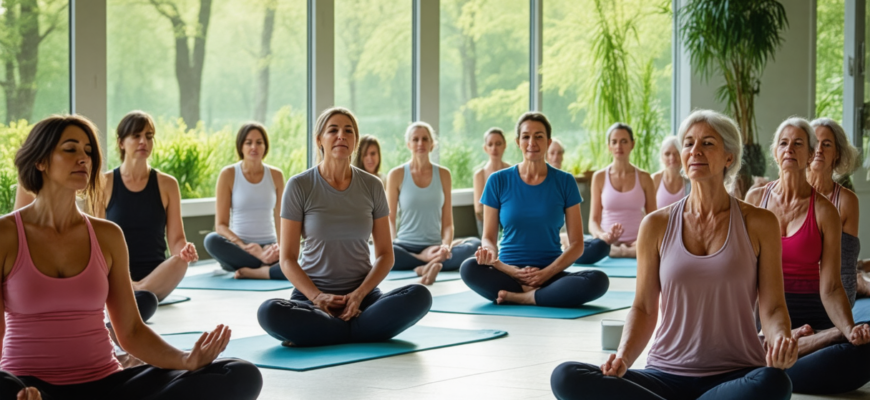
As people enter their golden years, the focus on maintaining health, mental clarity, and overall well-being becomes increasingly important. One of the most effective ways to support a vibrant and healthy lifestyle after the age of 60 is participating in group meditation and yoga classes. These activities not only foster physical health but also cultivate mental peace and social connections, enriching life in many ways. This comprehensive guide explores the numerous benefits, essential tips, and practical considerations for seniors seeking to incorporate meditation and yoga into their routines.
- Understanding Meditation and Yoga: Basics and Differences
- What is Meditation?
- What is Yoga?
- Key Differences Between Meditation and Yoga
- Why Seniors Should Consider Group Classes
- Social Engagement and Community Building
- Structured Guidance and Safety
- Accessibility and Motivation
- Holistic Health Benefits
- Key Benefits of Group Meditation and Yoga for Seniors
- 1. Physical Health Improvements
- 2. Mental Clarity and Emotional Balance
- 3. Better Balance and Fall Prevention
- 4. Social and Community Benefits
- 5. Increased Sense of Achievement and Confidence
- Practical Tips for Seniors Starting Group Meditation and Yoga
- Choosing the Right Class
- Preparing for the Class
- Safety and Modifications
- Sample Weekly Routine for Seniors
- Enhancing the Practice: Additional Considerations
- Diet and Hydration
- Creating a Supportive Environment
- Tracking Progress and Staying Motivated
- Overcoming Common Challenges
- Dealing with Physical Limitations
- Addressing Motivation Issues
- Managing Anxiety or Discomfort During Practice
- Summary and Final Thoughts
Understanding Meditation and Yoga: Basics and Differences
What is Meditation?
Meditation is a practice that involves focusing the mind and achieving a state of mental clarity, relaxation, and emotional stability. It often includes techniques such as focused breathing, visualization, or mindfulness meditation, where attention is maintained on the present moment. Meditation has been practiced for thousands of years across various cultures and spiritual traditions, and in recent decades, its health benefits have gained widespread recognition in the medical and wellness communities.
What is Yoga?
Yoga is an ancient physical, mental, and spiritual discipline that originated in India. It combines physical postures (asanas), breath control (pranayama), meditation, and ethical principles to improve overall well-being. Modern yoga practices may vary greatly, from gentle restorative styles suited for seniors to more vigorous forms, but all emphasize holistic health. For older adults, gentle yoga styles like Hatha, Iyengar, and restorative yoga are especially suitable, providing low-impact movements that enhance flexibility, strength, and balance.
Key Differences Between Meditation and Yoga
| Aspect | Meditation | Yoga |
|---|---|---|
| Focus | Calming the mind, mental clarity | Physical postures, breath control, flexibility |
| Activities | Seated or lying down, focusing inward | Physical movements, stretches, holding postures |
| Goals | Stress reduction, emotional balance | Physical health, balance, strength, mental focus |
| Integration | Often a component of yoga practice | May include meditation as part of the routine |
Why Seniors Should Consider Group Classes
Social Engagement and Community Building
Joining group meditation or yoga classes provides a vital opportunity for seniors to connect with peers, reducing feelings of loneliness and social isolation. Human interaction fosters a sense of belonging, boosts mood, and encourages consistency in practice. Group settings often create a supportive environment where individuals motivate each other and share their journeys towards better health.
Structured Guidance and Safety
Certified instructors guide participants through proper techniques, ensuring exercises are performed safely. This is especially crucial for seniors, who may have pre-existing health conditions or mobility limitations. Proper guidance minimizes the risk of injury and promotes effective practice tailored to individual needs.
Accessibility and Motivation
Group classes are typically held in easily accessible locations such as community centers, gyms, or specialized wellness studios. The collective atmosphere fosters motivation, making it easier for seniors to stick with their routines. The presence of others pursuing similar goals can be a powerful encouragement to stay committed.
Holistic Health Benefits
- Enhanced flexibility and joint health
- Increased muscle strength and balance
- Improved cardiovascular health
- Reduced anxiety and stress levels
- Better sleep quality
- Enhanced cognitive function
Key Benefits of Group Meditation and Yoga for Seniors
1. Physical Health Improvements
Engaging in regular yoga practice significantly improves the musculoskeletal system. Gentle postures and stretches increase joint mobility, reduce stiffness, and promote circulation. Breathing exercises foster better lung capacity, which is crucial for overall vitality. Meditation, meanwhile, helps reduce cortisol levels, thus aiding in lowering inflammation and hypertension.
2. Mental Clarity and Emotional Balance
Senior participants often report decreased feelings of anxiety, depression, and mental fog. Meditation techniques such as mindfulness promote present-moment awareness and emotional resilience. Yoga practices that focus on breath control and mindfulness also foster a sense of inner calm and reduce mental clutter.
3. Better Balance and Fall Prevention
One of the critical concerns for seniors is maintaining balance sharpness to prevent falls. Yoga poses targeting balance, core strength, and body awareness are highly effective in this regard. Regular practice can significantly reduce fall-related injuries among older adults.
4. Social and Community Benefits
Participating in group activities nurtures a sense of community, combats loneliness, and encourages sustained practice. Emotional support from peers and instructors creates a positive environment that promotes personal growth and resilience.
5. Increased Sense of Achievement and Confidence
Learning new postures, mastering breathing techniques, and observing physical improvements boost self-esteem. This sense of achievement encourages seniors to stay active and engaged in their wellness routines.
Practical Tips for Seniors Starting Group Meditation and Yoga
Choosing the Right Class
- Assess your health condition: Consult with healthcare providers before starting, especially if you have chronic conditions or mobility issues.
- Look for specialized classes: Seek classes designed for seniors or those labeled as gentle, restorative, or chair yoga.
- Verify instructor credentials: Ensure the instructor has experience working with older adults and is certified in senior fitness or yoga instruction.
- Consider class format: Options include in-person, online, or hybrid formats, depending on comfort and access.
Preparing for the Class
- Wear comfortable, breathable clothing.
- Use supportive footwear or practice barefoot on a non-slip surface.
- Have necessary props on hand, such as blocks, straps, or chairs.
- Stay hydrated and avoid heavy meals before class.
- Inform the instructor of any health concerns or limitations.
Safety and Modifications
- Always listen to your body and avoid pushing beyond comfort limits.
- Modify poses or stretches as needed, utilizing props or chairs for support.
- Focus on gentle breathing to enhance relaxation and oxygen intake.
- If experiencing pain or discomfort, stop and consult the instructor or healthcare provider.
Sample Weekly Routine for Seniors
| Day | Activity | Duration | Focus Areas |
|---|---|---|---|
| Monday | Gentle Yoga | 45 minutes | Flexibility, balance, strength |
| Wednesday | Meditation Session | 30 minutes | Stress reduction, mental clarity |
| Friday | Restorative Yoga & Breathing | 45 minutes | Relaxation, respiratory health |
| Sunday | Mixed Practice (Yoga + Meditation) | 60 minutes | Holistic wellness |
Enhancing the Practice: Additional Considerations
Diet and Hydration
Maintaining a balanced diet rich in fruits, vegetables, lean proteins, and whole grains supports overall health. Proper hydration is vital, particularly when engaging in physical activities, to prevent dehydration and fatigue.
Creating a Supportive Environment
Practicing in a peaceful, quiet space minimizes distractions and enhances the meditative experience. Using calming music and soft lighting can also create a conducive atmosphere for relaxation.
Tracking Progress and Staying Motivated
- Keep a journal to record feelings, improvements, and milestones.
- Set achievable goals, such as mastering a new pose or increasing meditation duration.
- Celebrate small victories to stay motivated.
- Engage with peers or online communities for shared experiences and encouragement.
Overcoming Common Challenges
Dealing with Physical Limitations
Modifications and use of props can significantly adapt exercises to suit individual needs. For example, chair yoga allows for safe practice without the need to get on the floor.
Addressing Motivation Issues
Joining group classes, setting personal goals, and tracking progress help maintain enthusiasm. Remembering the mental and physical benefits serves as a continual motivator.
Managing Anxiety or Discomfort During Practice
Start with short sessions, practice deep breathing, and communicate concerns with the instructor. Creating a comfortable, safe environment eases anxiety.
Summary and Final Thoughts
Incorporating group meditation and yoga classes into daily routine offers numerous benefits for seniors, including improved physical health, mental clarity, emotional stability, and social engagement. The supportive environment of group practice amplifies motivation and provides a sense of belonging, making it easier to sustain long-term commitment. By choosing appropriate classes, practicing safely, and integrating these activities into a holistic lifestyle, seniors can enjoy a higher quality of life, vitality, and peace during their later years.
Embracing wellness after 60 is not only about longevity but about enriching each day with mindfulness, movement, and community. With dedication and the right guidance, seniors can experience profound transformations that foster happiness, health, and resilience well into their future.
Похожие записи:
 Embracing Wellness and Adventure After 60: The Perfect Blend for Active, Healthy Living
  Meditation and Mindfulness Practices for Stress Relief: A Guide for Those Over 60
  Unlocking Creativity After 60: The Benefits and Guide to Joining Art Classes and Workshops
  Exploring Alternative Therapies for Wellness: A Guide for Life After 60
  The Benefits of Garden Therapy and Outdoor Activities for Seniors: Embracing Life After 60
  Exploring Holistic Approaches to Senior Wellness: A Guide to Thriving After 60
  Practicing Tai Chi and Qi Gong: Unlocking Vitality and Balance After 60
  Embracing Connection: Joining Faith-Based Community Activities After 60
  Embracing a Positive Outlook for Aging Gracefully: Unlocking the Secrets to a Fulfilling Life After 60
  The Benefits of Regular Exercise for Seniors: Enhancing Life After 60
  Conquering Fear: Embracing New Adventure Sports After 60
  Finding Emotional Support Groups for Seniors: A Comprehensive Guide to Embracing Life After 60
  Mastering Balance and Well-Being After 60: The Power of Tai Chi and Balance Exercises
  Embracing the Past: How Participating in Local Heritage and History Societies Enriches Life After 60
  Understanding Social Security Benefits After 60: A Comprehensive Guide
  Embracing Creativity After 60: How Taking Up Photography Can Transform Your Life