
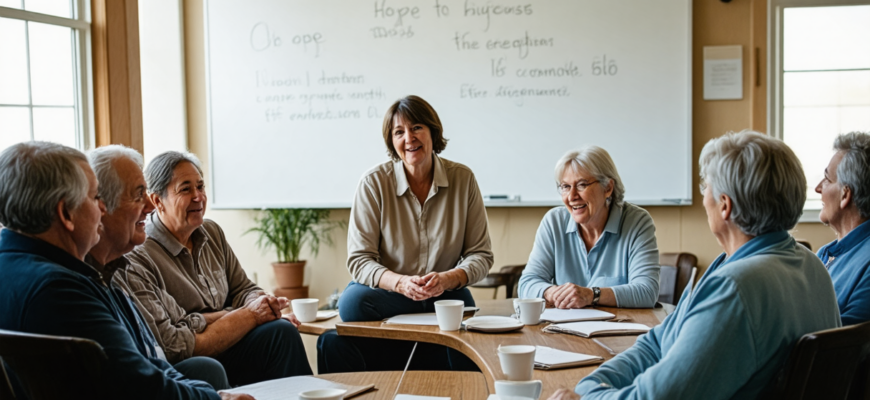
Entering the phase of life after 60 brings its unique set of challenges and opportunities. As seniors navigate physical health changes, social transitions, and emotional adjustments, establishing a reliable support network becomes essential. Emotional support groups serve as vital resources, providing a space for sharing experiences, gaining encouragement, and fostering a sense of belonging. This comprehensive guide seeks to explore how seniors can find suitable emotional support groups, the benefits these groups offer, and practical steps for integration.
- Understanding the Importance of Emotional Support for Seniors
- Why Emotional Support Matters at Any Age, Especially After 60
- The Psychological Impact of Social Isolation
- Types of Emotional Support Groups for Seniors
- 1. Peer-Led Support Groups
- 2. Professional-Led Support Groups
- 3. Community Center Support Networks
- 4. Online Support Communities
- How to Find Suitable Support Groups
- Step 1: Assess Personal Needs and Preferences
- Step 2: Consult Healthcare Providers
- Step 3: Explore Local Community Resources
- Step 4: Utilize Online Platforms and Directories
- Practical Tips for Engaging in Support Groups
- Overcoming Initial Hesitation
- Maximizing Benefits from Support Group Participation
- Handling Common Challenges
- Benefits of Joining Emotional Support Groups After 60
- Embracing a Supportive Community in Later Life
- Additional Resources and Contacts
Understanding the Importance of Emotional Support for Seniors
Why Emotional Support Matters at Any Age, Especially After 60
As individuals age, they often face various life alterations: retirement, loss of loved ones, health decline, and changes in social roles. These transitions can lead to feelings of loneliness, depression, or anxiety. Emotional support plays a crucial role in maintaining mental well-being, offering comfort, understanding, and practical advice.
The Psychological Impact of Social Isolation
Research consistently shows that social isolation and loneliness in seniors are linked to increased risks of mental health conditions, cardiovascular diseases, and even mortality. Establishing peer connections through support groups can significantly alleviate these risks by providing companionship, validation, and shared understanding.
Types of Emotional Support Groups for Seniors
1. Peer-Led Support Groups
These are typically facilitated by seniors themselves or trained volunteers. They focus on shared experiences, such as coping with chronic illness, grief, or life transitions. Peer-led groups foster empowerment and mutual understanding.
2. Professional-Led Support Groups
Guided by mental health professionals, these groups often address specific issues like depression, anxiety, or bereavement. They may include therapists, social workers, or counselors who ensure topics are navigated healthily and constructively.
3. Community Center Support Networks
Many local community centers and senior centers organize regular support groups as part of their services. These groups often combine social activities with emotional sharing, creating holistic support environments.
4. Online Support Communities
Virtual groups have gained popularity, especially for seniors with mobility issues or those living in remote areas. Platforms like Facebook, dedicated forums, or specialized apps connect seniors globally, providing accessible emotional support.
How to Find Suitable Support Groups
Step 1: Assess Personal Needs and Preferences
Identifying the specific emotional challenges faced can help determine the type of support group needed. For example, a senior dealing with grief may seek a bereavement group, while those feeling isolated might prefer social support networks. Preferences regarding group format (in-person vs. online), size, and facilitator type (peer-led vs. professional) should also be considered.
Step 2: Consult Healthcare Providers
Family doctors or geriatric specialists can recommend reputable support groups tailored to individual health conditions. Healthcare providers often have connections with local mental health services or senior organizations that facilitate such groups.
Step 3: Explore Local Community Resources
- Senior Centers: Many host regular support groups and social activities.
- Libraries and Religious Organizations: Often organize or advertise community support meetings.
- Nonprofit Organizations: Groups specializing in aging and mental health provide resources and support networks.
Step 4: Utilize Online Platforms and Directories
Decision-makers can leverage online directories, social media, and specialized platforms to find virtual groups or learn about local options. Examples include:
| Platform | Description | Examples |
|---|---|---|
| National and Local Directories | Listings of support groups organized by region or specialty. | Meetup.com, Senior.org, Local Government Websites |
| Online Community Forums | Discussion boards and support groups for seniors worldwide. | Reddit (subreddits like r/seniors), AARP Community |
| Social Media Groups | Facebook groups or pages dedicated to senior support and connection. | Search for “Senior Support Groups” or similar topics |
Practical Tips for Engaging in Support Groups
Overcoming Initial Hesitation
Many seniors might feel nervous about joining new groups or sharing personal feelings. Remember that participation is voluntary and that most groups emphasize confidentiality and mutual respect. Starting with online groups or observing a session can ease anxiety.
Maximizing Benefits from Support Group Participation
- Be Consistent: Regular attendance builds trust and deeper connections.
- Be Open and Honest: Sharing your experiences fosters empathy and understanding.
- Respect Others’ Perspectives: Listen actively and show empathy.
- Set Personal Boundaries: Engage at your comfort level and avoid overexposure to emotional strain.
Handling Common Challenges
Some challenges include feeling overwhelmed, encountering conflicting viewpoints, or emotional fatigue. Strategies to address these include speaking to facilitators, taking breaks when needed, and seeking individual counseling if necessary.
Benefits of Joining Emotional Support Groups After 60
| Benefit | Description |
|---|---|
| Emotional Validation | Sharing experiences with peers who understand personal struggles provides comfort and reassurance. |
| Reduced Feelings of Loneliness | Connecting regularly fosters companionship, reducing social isolation. |
| Improved Mental Health | Participation has been linked with decreased depression, anxiety, and stress levels. |
| Enhanced Self-Esteem | Receiving support and validation helps rebuild confidence and independence. |
| Learning Coping Strategies | Groups offer practical advice to handle grief, health issues, or emotional upheavals. |
| Sense of Purpose | Being part of a community encourages active participation and engagement. |
Embracing a Supportive Community in Later Life
Transitioning into life after 60 encompasses a journey of adaptation, resilience, and growth. Establishing emotional support networks is a proactive step toward maintaining mental and emotional well-being. Whether through local community centers, online platforms, or professional groups, seniors have multiple avenues to find comfort, companionship, and understanding. Recognizing the importance of these groups and actively seeking out suitable options can significantly enrich the quality of life, turning later years into an era of strength, connection, and fulfillment.
Additional Resources and Contacts
- AARP: Resources for senior programs and support groups – https://www.aarp.org
- National Institute on Aging: Guides on mental health and social engagement – https://www.nia.nih.gov
- Local Senior Centers: Find contact information through local government or community websites.
Taking the step to join an emotional support group can be transformative, fostering a sense of community, understanding, and purpose long after the age of 60. It is never too late to build meaningful connections and embrace a supportive network that enriches each chapter of later life.
Похожие записи:
 Finding Peer Support Groups for Seniors: A Comprehensive Guide to Building Connections After 60
  Building Resilience and Emotional Strength in Later Years: A Guide to Thriving After 60
  The Benefits of Garden Therapy and Outdoor Activities for Seniors: Embracing Life After 60
  How to Start a Book Club for Seniors: A Complete Guide to Enriching Life after 60
  Joining Veteran or Senior Sports Groups: A Guide to Active Living After 60
  Embracing Creativity After 60: How Taking Up Photography Can Transform Your Life
  Understanding and Managing Grief and Loss in Later Life: A Guide for Seniors
  Embracing the Past: How Seniors Can Actively Participate in Local History and Heritage Projects
  Building a Legacy for Your Loved Ones: A Comprehensive Guide to Securing Your Life After 60
  Discover Fulfilling Volunteering Opportunities for Seniors: A Guide to Staying Active and Engaged After 60
  Generating Passive Income Streams in Retirement: A Comprehensive Guide for Life After 60
  Embracing a Positive Outlook for Aging Gracefully: Unlocking the Secrets to a Fulfilling Life After 60
  Conquering Fear: Embracing New Adventure Sports After 60
  Embracing Knowledge and Connection: Joining Book Clubs and Literary Discussions After 60
  Connecting through Senior Centers: Building a Vibrant Social Life After 60
  Effective Strategies for Organizing Neighborhood Safety Initiatives for Seniors