
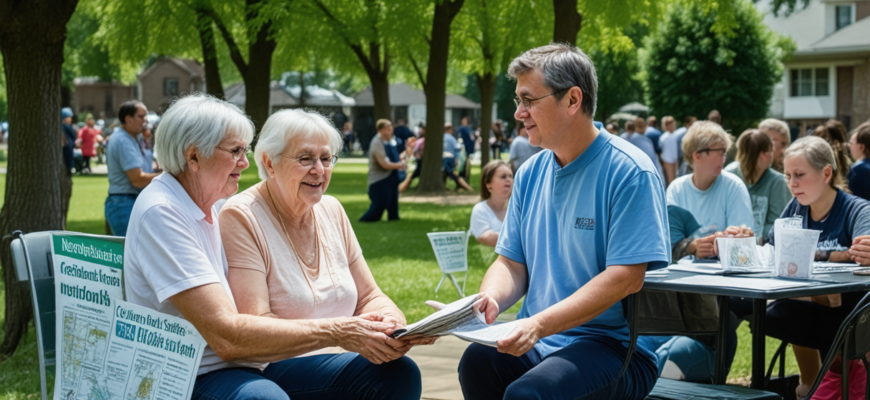
As communities age and more seniors choose to remain active in their neighborhoods, ensuring their safety becomes an essential aspect of fostering a supportive and secure environment. Organizing neighborhood safety initiatives tailored to older adults can significantly reduce crime, promote trust among residents, and improve overall quality of life. This comprehensive guide explores various effective strategies, best practices, and practical steps for creating impactful safety programs that empower seniors and strengthen community bonds.
- Understanding the Importance of Neighborhod Safety for Seniors
- Planning and Organizing a Neighborhood Safety Initiative
- 1. Assessing Community Needs and Resources
- Key Steps in Assessment:
- 2. Building Partnerships and Gaining Support
- 3. Developing a Clear Action Plan
- Key Components of Neighborhood Safety Initiatives for Seniors
- 1. Community Education and Awareness Campaigns
- 2. Neighborhood Watch Programs
- 3. Improving Physical Security Infrastructure
- 4. Emergency Response Planning
- Implementing Technology Solutions for Senior Safety
- 1. Personal Alert Systems
- 2. Community Communication Platforms
- Monitoring, Evaluation, and Continuous Improvement
- Evaluation Metrics
- Adapting and Scaling Initiatives
- Case Study: Successful Neighborhood Safety Program for Seniors
- Community of Oakridge
Understanding the Importance of Neighborhod Safety for Seniors
Older adults often face unique safety concerns, including increased vulnerability to crime, health emergencies, and social isolation. Neighborhood safety initiatives aimed at seniors not only offer physical protection but also contribute to psychological well-being, independence, and active participation in community life.
- Reduction of crime and vandalism
- Enhanced sense of security and community trust
- Promotion of social interaction and support networks
- Development of rapid response mechanisms for emergencies
Planning and Organizing a Neighborhood Safety Initiative
1. Assessing Community Needs and Resources
Before launching any safety program, it is essential to understand the specific needs of the senior residents within the neighborhood. Conduct surveys, hold community meetings, and gather data on common safety concerns. This helps tailor initiatives effectively.
Key Steps in Assessment:
- Identify common safety issues (e.g., lighting, crime hotspots)
- Map out vulnerable areas and times of higher risk
- Collect input from seniors themselves through interviews or questionnaires
- Inventory available resources: local law enforcement, community centers, volunteer groups
2. Building Partnerships and Gaining Support
Successful safety initiatives often depend on collaboration among various stakeholders. Establish partnerships with:
- Local police or sheriff’s departments
- Neighborhood watch organizations
- Senior centers and organizations
- Volunteer groups and local businesses
- Healthcare providers or emergency services
Securing broad support ensures sustainability and resource sharing, as well as reinforces community trust.
3. Developing a Clear Action Plan
A detailed action plan guides the implementation process. This plan should include:
- Goals and objectives
- Specific activities and initiatives
- Roles and responsibilities
- Budget and resource allocation
- Timelines and milestones
- Evaluation metrics
Key Components of Neighborhood Safety Initiatives for Seniors
1. Community Education and Awareness Campaigns
Raising awareness about safety tips and crime prevention strategies among seniors and residents at large is vital. Educational sessions can cover topics such as:
- Recognizing and reporting suspicious activities
- Safe home modifications
- Personal safety habits
- Cyber safety for online scams targeting seniors
Distribute informational flyers, organize workshops, and utilize local media to amplify messaging.
2. Neighborhood Watch Programs
Establishing a neighborhood watch fosters collective responsibility and vigilant monitoring. Features include:
- Formation of volunteer patrol groups
- Regular patrol schedules
- Training sessions for volunteers and seniors
- Direct communication channels (e.g., helplines, messaging apps)
Effective communication can be facilitated through tools such as email lists, social media groups, or community bulletin boards.
3. Improving Physical Security Infrastructure
Enhancements to the neighborhood’s physical environment reduce opportunities for crime and accidents. Key improvements include:
- Enhanced street lighting, especially in poorly lit areas
- Secure locks, alarms, and surveillance cameras in common areas
- Clear signage indicating active neighborhood watch
- Maintenance of sidewalks, ramps, and public spaces to prevent falls and injuries
| Security Improvement | Description | Expected Benefit |
|---|---|---|
| LED Street Lighting | Bright, energy-efficient lights covering dim areas | Deters criminal activity, improves visibility |
| Community Surveillance Cameras | Installation in strategic locations | Evidence collection, increased safety perception |
| Accessible Walkways | Repairs and accessibility features | Reduced fall risk for seniors |
4. Emergency Response Planning
Preparing for health emergencies or accidents is crucial. Initiatives include:
- Maintaining updated emergency contact lists
- Creating neighborhood emergency response teams (CERT)
- Training seniors and volunteers in basic first aid and CPR
- Establishing communication protocols during crises
Implementing Technology Solutions for Senior Safety
1. Personal Alert Systems
Devices such as medical alert pendants or bracelets enable seniors to alert emergency services instantly. These systems often feature:
- One-touch emergency buttons
- GPS tracking
- Automatic fall detection
2. Community Communication Platforms
Using apps and online platforms can facilitate quick communication and coordination. Examples include:
- Neighborhood-specific social media groups
- Messaging apps like WhatsApp or Telegram for alerts
- Dedicated community websites or portals
Monitoring, Evaluation, and Continuous Improvement
Evaluation Metrics
To assess the effectiveness of safety initiatives, consider:
- Number of reported incidents pre-and post-implementation
- Seniors’ feedback and satisfaction levels
- Participation rates in programs
- Response times to emergencies
Adapting and Scaling Initiatives
Based on evaluations, refine strategies, expand successful programs, and address identified gaps. Continuous community engagement and feedback are vital for long-term success.
Case Study: Successful Neighborhood Safety Program for Seniors
Community of Oakridge
In Oakridge, a collaborative effort among residents, police, and senior centers led to a significant decrease in petty crimes by implementing a comprehensive safety initiative. The program included street lighting upgrades, a neighborhood watch, and weekly safety workshops. As a result, residents expressed a greater sense of security, and local data indicated a 30% reduction in crime within a year.
Organizing neighborhood safety initiatives for seniors is a multifaceted process that requires careful planning, community involvement, and ongoing evaluation. When properly implemented, these programs foster safer environments, prevent crime, and enhance seniors’ independence and quality of life. By leveraging community resources, technology, and collaborative efforts, neighborhoods can become resilient and welcoming spaces for residents of all ages. Ultimately, a secure community not only protects its most vulnerable members but also strengthens social bonds and promotes active engagement for everyone involved.
Building a safer neighborhood for seniors is a shared responsibility that brings long-term benefits—creating a vibrant, supportive, and secure environment where everyone can thrive after 60.
Похожие записи:
 Building a Community of Care: How to Create a Neighborhood Buddy System for Seniors
  Effective Strategies for Managing Health-Related Expenses After 60
  Effective Strategies for Managing Financial Setbacks in Retirement: Secure Your Golden Years
  Embracing the Past: How Seniors Can Actively Participate in Local History and Heritage Projects
  Finding Peer Support Groups for Seniors: A Comprehensive Guide to Building Connections After 60
  Smart Financial Strategies for Preparing for Unexpected Emergencies After 60
  Discover Fulfilling Volunteering Opportunities for Seniors: A Guide to Staying Active and Engaged After 60
  How to Start a Book Club for Seniors: A Complete Guide to Enriching Life after 60
  Smart Strategies for Navigating Healthcare Costs in Later Years
  Effective Tips for Maintaining Healthy Bones and Joints After 60
  Smart Strategies for Protecting Your Assets After 60: Secure Your Financial Future
  Smart Strategies for Planning Long-Term Healthcare Needs After 60
  Staying Connected with Loved Ones During Trips: A Complete Guide for Seniors After 60
  Smart Investment Strategies: Navigating Real Estate During Retirement
  Securing Your Wealth After 60: Comprehensive Strategies Through Insurance
  Cycling Trips for Active Seniors Seeking New Challenges: Unlocking Adventure After 60