
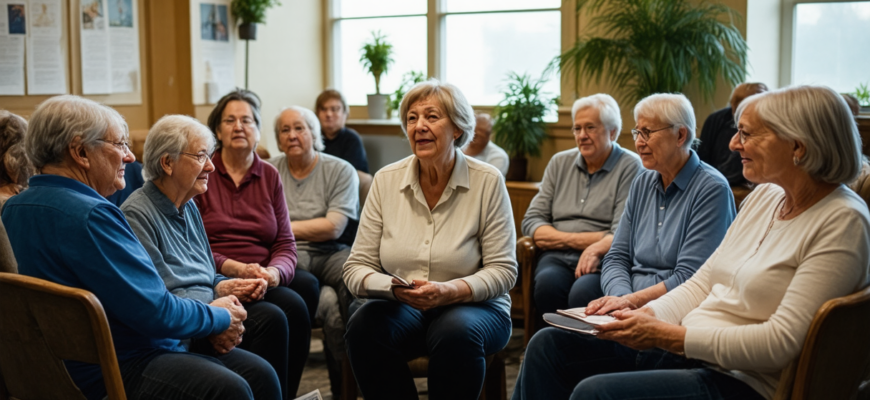
Living with a chronic illness after the age of 60 can be both physically and emotionally challenging. As age progresses, managing long-term health conditions such as diabetes, arthritis, heart disease, or respiratory illnesses requires more than just medication—it demands a strong support system, understanding, and shared experience. One increasingly popular way for seniors to navigate these challenges is through participation in support groups. This comprehensive guide explores the importance, benefits, and practical aspects of engaging in support groups, helping older adults foster resilience and improve their quality of life.
- What Are Support Groups and Why Are They Important?
- Defining Support Groups
- The Significance for Seniors
- The Benefits of Participating in Support Groups for Older Adults
- Emotional Support and Validation
- Information and Education
- Practical Tips and Peer Advice
- Enhanced Coping Skills and Resilience
- Building Community and Reducing Isolation
- Types of Support Groups Suitable for Seniors with Chronic Illnesses
- Condition-Specific Support Groups
- General Elderly Support Groups
- Online vs. In-Person Support Groups
- How to Find and Choose the Right Support Group
- Research Local Resources
- Evaluate Group Compatibility
- Questions to Ask Before Joining
- Practical Tips for Active Participation in Support Groups
- Preparation
- Engagement
- Post-Meeting Actions
- Challenges and Solutions in Support Group Participation
- Common Challenges
- Overcoming These Challenges
- Incorporating Support Groups Into a Broader Health and Wellness Strategy
- Sample Lifestyle Plan
- Embracing Support Groups for Better Aging with a Chronic Illness
- Additional Resources
What Are Support Groups and Why Are They Important?
Defining Support Groups
Support groups are organized gatherings of individuals who share a common health condition, experience, or life circumstance. These groups typically meet regularly—either in person or online—and provide a safe environment where participants can share their feelings, exchange information, and offer mutual encouragement.
The Significance for Seniors
For seniors managing chronic illnesses, support groups serve as vital resources. They help combat feelings of isolation, provide practical advice, foster understanding, and boost emotional well-being. Being part of a community of peers who face similar challenges reassures individuals that they are not alone on their health journey.
The Benefits of Participating in Support Groups for Older Adults
Engaging in support groups yields numerous benefits, especially for those over 60 dealing with chronic health issues. These benefits can profoundly impact both mental health and physical management of conditions.
Emotional Support and Validation
Sharing experiences with peers validates feelings of frustration, fear, or sadness that often accompany chronic illness. This emotional support helps reduce feelings of loneliness and depression, common among seniors facing health challenges.
Information and Education
Support groups often provide valuable information about disease management, latest treatments, lifestyle modifications, and local resources. Educated patients are better equipped to participate actively in their healthcare decisions.
Practical Tips and Peer Advice
- Managing symptoms effectively
- Finding accessible healthcare providers
- Adapting daily routines to new health limitations
- Nutrition and exercise strategies for older adults
Enhanced Coping Skills and Resilience
Regular interaction with others facing similar challenges can foster resilience by sharing successful coping strategies and fostering a positive outlook on aging with illness.
Building Community and Reducing Isolation
Support groups create a sense of belonging and community, which is crucial for mental health. They also open avenues for social activities beyond medical management, promoting a more active and fulfilling lifestyle.
Types of Support Groups Suitable for Seniors with Chronic Illnesses
Support groups can be tailored to specific conditions and preferences. Here are some typical types relevant to older adults:
Condition-Specific Support Groups
- Diabetes support groups
- Arthritis and joint health groups
- Heart disease support communities
- Chronic respiratory disease groups (e.g., COPD, Asthma)
- Cancer survivor groups
General Elderly Support Groups
- Seniors’ social clubs that include health discussions
- Life after retirement groups focusing on health and wellness
- Memory loss and dementia support communities
Online vs. In-Person Support Groups
While traditional in-person groups offer face-to-face interaction, online communities are increasingly popular, especially for those with mobility issues. Online groups provide accessibility and convenience, allowing participation from home and at flexible times.
How to Find and Choose the Right Support Group
Research Local Resources
Many hospitals, clinics, and community centers host support groups. Local health departments and senior centers are valuable sources for discovering nearby groups.
Evaluate Group Compatibility
- Match the group’s focus with your health condition or interest
- Consider the group size and environment (friendly and welcoming)
- Decide whether in-person or online participation suits your needs
Questions to Ask Before Joining
- What is the primary focus of the group?
- How often does the group meet?
- What is the typical composition of members?
- Are meetings led by healthcare professionals or peers?
- Is there a fee or registration requirement?
Practical Tips for Active Participation in Support Groups
Preparation
Come prepared with questions, updates on your health, and openness to sharing experiences. Bring materials or journals if you wish to note down useful tips.
Engagement
- Listen actively and respect others’ perspectives
- Share your experiences without dominating the conversation
- Be supportive and encourage others
- Respect confidentiality and personal boundaries
Post-Meeting Actions
Implement practical advice learned in meetings and follow up on resources shared. Establish connections with peers for additional support outside formal meetings.
Challenges and Solutions in Support Group Participation
Common Challenges
- Mobility issues or transportation difficulties
- Health fluctuations affecting attendance
- Communication barriers within group discussions
- Feeling uncomfortable or shy in group settings
Overcoming These Challenges
- Seek groups with online options or home visits
- Communicate your needs to facilitators for accommodation
- Start with smaller or more specialized groups to build confidence
- Practice self-care to manage health episodes
Incorporating Support Groups Into a Broader Health and Wellness Strategy
Support groups are most effective when integrated into a comprehensive approach to health. Combining medical treatment, physical activity, proper nutrition, mental health care, and social engagement creates a balanced lifestyle that empowers seniors to thrive despite chronic illnesses.
Sample Lifestyle Plan
| Component | Activities |
|---|---|
| Medical Management | Regular doctor visits, medication adherence, blood tests |
| Physical Activity | Walking, stretching, senior exercise classes |
| Nutrition | Balanced diet, hydration, portion control |
| Mental Health | Mindfulness, therapy, participation in support groups |
| Social Engagement | Support groups, hobbies, community volunteering |
Embracing Support Groups for Better Aging with a Chronic Illness
Support groups represent a powerful resource for older adults managing chronic illnesses, fostering emotional well-being, providing practical assistance, and creating a sense of community. By actively seeking and engaging in these groups, seniors can enhance their resilience, improve their quality of life, and develop meaningful connections that enrich their journey through aging. Adopting a proactive approach towards participation in support networks is an essential step towards living a fulfilling, supported life after 60.
Additional Resources
- National Institutes of Health: Living with Chronic Disease
- American Association of Retired Persons (AARP) Resources
- Local community health centers and senior centers
- Online support platforms: PatientsLikeMe, Facebook groups for seniors
Remember, taking the first step towards joining a support group might be daunting, but the benefits for mental health, practical knowledge, and social connection are well worth the effort. Embrace the power of community—it can make all the difference in managing chronic illness after 60.
Похожие записи:
 Finding Peer Support Groups for Seniors: A Comprehensive Guide to Building Connections After 60
  Finding Emotional Support Groups for Seniors: A Comprehensive Guide to Embracing Life After 60
  Empowering Your Voice: The Benefits of Joining Local Political and Advocacy Groups After 60
  Joining Veteran or Senior Sports Groups: A Guide to Active Living After 60
  Embracing Wellness After 60: The Benefits of Attending Group Meditation and Yoga Classes
  Ultimate Guide to Navigating Travel Health and Vaccination Requirements After 60
  Navigating Online Communities for Older Adults: A Guide to Thriving in Digital Spaces
  Empowering Seniors Through Literacy Volunteering: A Guide to Making a Lasting Impact
  Understanding and Managing Diabetes After 60: Essential Guide for a Healthy Life
  How to Start a Book Club for Seniors: A Complete Guide to Enriching Life after 60
  Building a Community Newsletter or Blog for Life After 60: A Comprehensive Guide
  Connecting through Senior Centers: Building a Vibrant Social Life After 60
  The Importance of Routine Health Screenings: A Guide for Life After 60
  Discover Fulfilling Volunteering Opportunities for Seniors: A Guide to Staying Active and Engaged After 60
  Embracing Innovation: How Community Workshops Help Seniors Learn New Technologies After 60
  Exploring Alternative Therapies for Wellness: A Guide for Life After 60