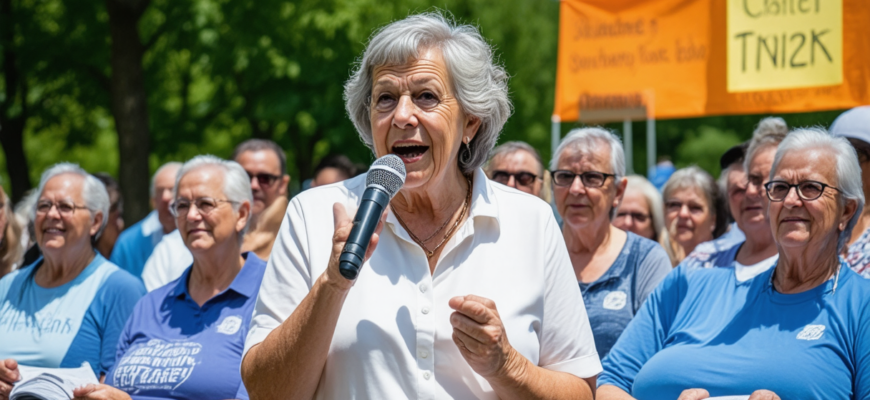
As individuals reach their sixties and beyond, many discover that life offers new opportunities for engagement, influence, and personal fulfillment. One of the most impactful ways to stay active and involved in the community is by joining local political or advocacy groups. These organizations not only provide a platform to voice concerns and promote causes close to the heart, but they also foster social connections, mental stimulation, and a sense of purpose. This comprehensive guide explores the many benefits of becoming part of these groups, how to get started, and the positive impact it can have on quality of life after 60.
- The Importance of Civic Engagement After 60
- Why Join Local Political or Advocacy Groups?
- Types of Local Political and Advocacy Groups
- Political Parties and Candidate Support Groups
- Issue-Based Advocacy Organizations
- Neighborhood Associations and Civic Clubs
- Faith-Based and Cultural Groups
- How to Get Started: Joining and Participating
- Identify Your Interests and Goals
- Research Local Groups
- Attend Meetings and Events
- Volunteer and Offer Your Skills
- Consider Leadership Roles
- Challenges and Considerations
- The Impact of Senior Participation in Local Politics and Advocacy
- The Formula for Effective Civic Engagement After 60
- Take the Step Towards Lasting Change and Personal Growth
The Importance of Civic Engagement After 60
Engaging in civic activities remains vital well beyond retirement age. It helps in maintaining mental agility, staying socially connected, and contributing to society in meaningful ways. According to research, participation in community and political activities can reduce feelings of isolation, increase happiness, and improve overall well-being among seniors. Moreover, older adults often possess unique perspectives and considerable experience that can be leveraged to influence local policies and community development projects.
Why Join Local Political or Advocacy Groups?
Joining local political or advocacy groups offers multiple advantages for seniors. These organizations act as a bridge between individual citizens and the broader community, offering a platform to influence policies, support causes, and promote social change. Here are some compelling reasons why seniors should consider such involvement:
- Amplify Your Voice: Make your opinions heard on issues that matter most to you, from healthcare to education, environment, and social justice.
- Support Causes You Care About: Contribute directly to community projects, local campaigns, or national initiatives through grassroots efforts.
- Stay Politically Informed: Keep up-to-date with local government actions, policy debates, and community challenges.
- Build Social Connections: Meet like-minded neighbors, fostering friendships and reducing isolation.
- Maintain Mental Agility: Engaging in discussions, debates, and planning keeps the mind active and sharp.
- Experience Personal Fulfillment: Feel a sense of achievement and purpose by actively participating in shaping your community.
Types of Local Political and Advocacy Groups
Before diving into participation, it’s helpful to understand the variety of groups available. Here is a breakdown of common types:
Political Parties and Candidate Support Groups
These groups focus on supporting particular candidates, campaigning during elections, and fostering political education. They often work at the grassroots level to promote specific ideologies or policy platforms.
Issue-Based Advocacy Organizations
Focused on specific causes such as environmental protection, healthcare reform, education, civil rights, or senior rights. Members work to raise awareness, lobby policymakers, and organize community events.
Neighborhood Associations and Civic Clubs
More localized and community-specific, these groups address neighborhood concerns like safety, development, beautification, and local services. They serve as a voice for residents and act as intermediaries with local authorities.
Faith-Based and Cultural Groups
Organizations grounded in religious or cultural traditions often engage in charitable work, social justice initiatives, and community outreach, offering social and spiritual support.
How to Get Started: Joining and Participating
Stepping into the world of local political and advocacy groups is straightforward, but requires some initial effort and consideration. Follow these steps to ensure a rewarding experience:
Identify Your Interests and Goals
- Think about the issues you care most about, like healthcare, environment, education, or civil rights.
- Determine what type of involvement excites you—advocacy, campaigning, education, or social events.
- Set realistic goals for your participation, whether it’s attending meetings, volunteering, or leadership roles.
Research Local Groups
- Visit community centers, libraries, or senior clubs for information on existing groups.
- Search online directories or social media platforms for local organizations.
- Attend community events or town hall meetings to meet representatives and learn more.
Attend Meetings and Events
Participate as a guest initially to gauge compatibility and interest. Be proactive in introducing yourself, asking questions, and understanding the group’s objectives.
Volunteer and Offer Your Skills
With your background and experience, you can contribute in various ways: organizing events, writing newsletters, speaking at meetings, or assisting with outreach programs.
Consider Leadership Roles
If involved for some time, explore opportunities to take on responsibilities such as committee chair, event coordinator, or board member to deepen your engagement.
Challenges and Considerations
While participation in local groups is highly rewarding, it’s important to be aware of some common challenges:
- Time Commitment: Be realistic about your availability and set boundaries.
- Group Dynamics: Some groups may have differing opinions; practicing open-mindedness and diplomacy is key.
- Keeping Up with Changes: Politics and issues evolve; staying informed requires ongoing effort.
- Managing Expectations: Focus on what you can contribute rather than expecting immediate results.
The Impact of Senior Participation in Local Politics and Advocacy
Participation of seniors in local political and advocacy efforts fosters a more inclusive, representative, and vibrant community. Here are some tangible effects:
| Positive Outcomes | Description |
|---|---|
| Enhanced Community Development | Seniors bring valuable experience to shaping local policies, leading to better decision-making for all residents. |
| Increased Voter Turnout | Active seniors often encourage higher participation among all age groups, strengthening democracy. |
| Representation of Senior Interests | Advocacy groups help ensure that issues like healthcare, transportation, and safety are prioritized. |
| Intergenerational Collaboration | Young and old working together fosters mutual understanding and innovative solutions. |
| Personal Empowerment and Fulfillment | Feeling valued and heard boosts self-esteem and well-being of seniors. |
The Formula for Effective Civic Engagement After 60
To maximize the benefits of participating in local political and advocacy groups, consider this simplified formula:
Effective Engagement = (Interest + Skills + Time) × Community Support × Personal Commitment
Where:
- Interest = Your passion for specific issues
- Skills = Your abilities to contribute (writing, organizing, speaking, etc.)
- Time = How much time you’re willing to invest
- Community Support = The strength and inclusiveness of the group
- Personal Commitment = Your dedication to ongoing participation
Take the Step Towards Lasting Change and Personal Growth
Joining local political or advocacy groups after the age of 60 is not merely about influencing policies; it is about enriching one’s life, contributing to society, and fostering a sense of community. These organizations offer seniors a unique platform to share their wisdom, advocate for meaningful causes, and build lasting relationships. In today’s interconnected society, the voice of experienced community members is essential to creating vibrant, inclusive neighborhoods.
By actively participating, seniors can leave a lasting legacy, help shape local policies, and enjoy a renewed sense of purpose. The process begins with small steps—research, attend meetings, volunteer—and blossoms into a rewarding experience that benefits not just the individual, but the entire community. Embrace the opportunity and discover how your voice can make a difference well into the golden years.
Похожие записи:
 Embracing Creativity and Community: The Benefits of Participating in Local Arts and Crafts Markets After 60
  Joining Veteran or Senior Sports Groups: A Guide to Active Living After 60
  Unlocking Creativity After 60: The Benefits and Guide to Joining Art Classes and Workshops
  Finding Emotional Support Groups for Seniors: A Comprehensive Guide to Embracing Life After 60
  Embracing the Past: How Participating in Local Heritage and History Societies Enriches Life After 60
  Finding Peer Support Groups for Seniors: A Comprehensive Guide to Building Connections After 60
  Empowering Seniors Through Literacy Volunteering: A Guide to Making a Lasting Impact
  Embracing Connection: Joining Faith-Based Community Activities After 60
  Empowering the Future: Teaching and Mentoring Younger Generations After 60
  Embracing Knowledge and Connection: Joining Book Clubs and Literary Discussions After 60
  Embracing the Past: How Seniors Can Actively Participate in Local History and Heritage Projects
  Embracing Wellness After 60: The Benefits of Attending Group Meditation and Yoga Classes
  Embracing Joy and Connection: Participating in Local Festivals and Cultural Events After 60
  The Benefits of Garden Therapy and Outdoor Activities for Seniors: Embracing Life After 60
  Understanding Social Security Benefits After 60: A Comprehensive Guide
  The Benefits of Regular Exercise for Seniors: Enhancing Life After 60