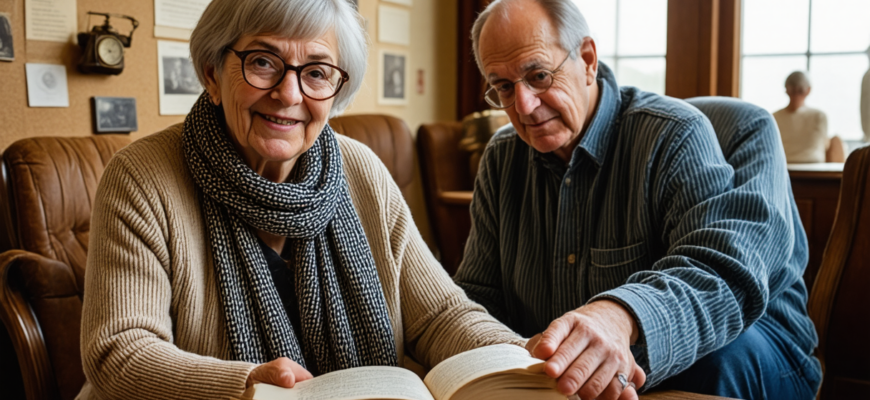
As individuals navigate the later years of life, discovery and connection often take on renewed significance. Engaging with local heritage and history societies is an enriching pursuit that not only preserves cultural legacy but also provides mental stimulation, social interaction, and a deep sense of belonging. For those aged 60 and above, participating in such organizations can transform idle hours into meaningful and fulfilling experiences. This comprehensive guide explores the many benefits, ways to get involved, and practical tips for seniors interested in becoming active participants in their community’s history and heritage.
- Understanding Local Heritage and History Societies
- What Are Heritage and History Societies?
- The Role of Senior Members in Heritage Societies
- Benefits of Joining Heritage and History Societies After 60
- Mental Stimulation and Cognitive Engagement
- Social Interaction and Community Connection
- Preservation of Cultural Heritage
- Personal Fulfillment and Sense of Purpose
- Practical Ways to Get Involved in Heritage and History Societies
- Joining Local Societies
- How to Find Local Heritage and History Societies
- Volunteer Opportunities for Seniors
- Participating in Special Activities
- Getting Started: Tips for Seniors Interested in Heritage Participation
- Assess Personal Interests and Skills
- Evaluate Physical Abilities and Accessibility
- Connect with Local Societies
- Leverage Skills and Life Experience
- Overcoming Challenges and Encouraging Participation
- Addressing Health or Mobility Concerns
- Overcoming Technological Barriers
- Building Confidence and Motivation
- Case Studies and Success Stories
- Case Study 1: The Senior Historian Mentor Program
- Case Study 2: Restoring a Historical Landmark
- Summary: The Lasting Impact of Heritage Engagement for Seniors
- Additional Resources
- Final Thoughts
Understanding Local Heritage and History Societies
What Are Heritage and History Societies?
Heritage and history societies are organizations dedicated to the preservation, promotion, and study of local history and cultural heritage. These societies can range from small community-based groups to larger regional institutions with numerous volunteers and members. Their main goals typically include:
- Documenting the history of a region or community
- Preserving historical landmarks, artifacts, and documents
- Educating the public about local history and traditions
- Organizing events, exhibitions, and excursions related to local heritage
The Role of Senior Members in Heritage Societies
Many societies actively seek the involvement of seniors, recognizing the invaluable knowledge, experience, and dedication they can bring. Senior members often serve as:
- Volunteers for archival work and digitization projects
- Guides and speakers at educational events
- Organizers of community history projects
- Mentors for younger generations interested in local history
Benefits of Joining Heritage and History Societies After 60
Mental Stimulation and Cognitive Engagement
Participating in historical research, studying documents, or helping organize museum exhibits keeps the brain active. Learning about local history, analyzing artifacts, or engaging in discussions stimulates cognitive functions and can help delay cognitive decline.
Social Interaction and Community Connection
Joining a heritage society creates opportunities to meet like-minded individuals, share stories, and build friendships. Regular meetings and events foster a sense of community, combat loneliness, and promote emotional well-being.
Preservation of Cultural Heritage
Seniors possess a unique perspective and often hold a wealth of knowledge about local traditions and stories. Their active involvement helps preserve these cultural assets for future generations, fostering pride in local identity.
Personal Fulfillment and Sense of Purpose
Contributing to meaningful projects, such as restoring historical sites or creating educational programs, provides a sense of accomplishment. Many seniors find renewed purpose through civic engagement that benefits their community.
Practical Ways to Get Involved in Heritage and History Societies
Joining Local Societies
The first step is to identify local organizations that align with personal interests. Most societies welcome new members and often have regular meetings, volunteering opportunities, and events open to the public.
How to Find Local Heritage and History Societies
- Search online for regional or city-based historical organizations
- Visit local museums or cultural centers for information
- Check community bulletin boards or newsletters
- Attend public lectures or events related to local history
Volunteer Opportunities for Seniors
- Archivist or Documentation Assistant: Help organize and catalog historical records or digitize old documents.
- Guide or Tour Leader: Lead visitors through historical sites or museums, sharing insights and stories.
- Event Organizer: Assist in planning exhibitions, fairs, or lecture series.
- Researcher: Conduct research on local history topics for publications or educational programs.
- Mentor: Share knowledge and skills with younger volunteers or students interested in history.
Participating in Special Activities
Many societies offer specific activities that can fit various interests and mobility levels:
- Historic site preservation projects
- Storytelling sessions or oral history recordings
- School outreach programs and community education
- Participation in local festivals or cultural celebrations
- Creating and maintaining local archives and museums
Getting Started: Tips for Seniors Interested in Heritage Participation
Assess Personal Interests and Skills
Understanding what motivates and excites you is key. Whether it’s research, storytelling, restoration, or education, aligning activities with personal interests will enhance the experience.
Evaluate Physical Abilities and Accessibility
Choose activities suitable for current health and mobility levels. Many societies have roles that require minimal physical exertion, such as research or administrative work.
Connect with Local Societies
Attend introductory meetings or open days to learn more about the organization’s work and meet current members. Don’t hesitate to ask about specific roles that suit your interests and abilities.
Leverage Skills and Life Experience
Many seniors have valuable skills in writing, organizing, teaching, or craftsmanship. Highlight these skills when volunteering to contribute effectively and feel more engaged.
Overcoming Challenges and Encouraging Participation
Addressing Health or Mobility Concerns
Most societies offer varied roles to accommodate different needs. For example, desk-based research or administrative tasks can be excellent options for those with mobility restrictions.
Overcoming Technological Barriers
Digital literacy can enhance participation, especially in modern archival and research methods. Many community centers or libraries provide training for seniors to become comfortable with computers and online resources.
Building Confidence and Motivation
Starting with small, manageable commitments can gradually build confidence. Celebrating small successes and recognizing contributions foster ongoing engagement.
Case Studies and Success Stories
Case Study 1: The Senior Historian Mentor Program
An inspiring example is a regional heritage society that created a mentorship program pairing senior volunteers with young students. Seniors pass on local stories, teach research skills, and help authenticate historical documents, thus creating intergenerational bonds and ensuring preservation of local history.
Case Study 2: Restoring a Historical Landmark
In another community, seniors led a restoration project, giving new life to an old church tower. Their experience and dedication resulted in a successful conservation effort that became a focal point for community pride and tourism.
Summary: The Lasting Impact of Heritage Engagement for Seniors
Participating in local heritage or history societies offers seniors a multifaceted array of benefits, from cognitive stimulation and social interaction to cultural preservation and personal fulfillment. Engagement in such activities enables individuals over 60 to remain active, connected, and vital members of their community, reinforcing a sense of purpose and belonging.
Life after 60 is a time for continued growth, exploration, and contribution. Exploring avenues such as local heritage and history societies provides a fulfilling way to stay engaged with the community, preserve cultural heritage, and enjoy lifelong learning. Whether through volunteering, research, guiding, or storytelling, older adults can leave a lasting legacy while enriching their own lives with meaningful activity and new friendships.
Additional Resources
| Resource Type | Description | Examples |
|---|---|---|
| Local Historical Societies | Organizations dedicated to regional history preservation | City Historical Society, Regional Heritage Trust |
| Online Archives & Databases | Digital collections of historical records | Archive.org, Local government repositories |
| Volunteer Matching Platforms | Sites connecting volunteers with heritage projects | VolunteerMatch.org, Idealist.org |
| Educational Courses | Workshops on local history and preservation | Community college courses, Museum programs |
Final Thoughts
Participating in local heritage and history societies not only preserves the cultural fabric of communities but also offers invaluable personal rewards. For seniors, embracing this pursuit can be a transformative experience—full of discovery, friendship, and purpose, ensuring that the stories of the past continue to inspire future generations.
Похожие записи:
 Embracing the Past: How Seniors Can Actively Participate in Local History and Heritage Projects
  Embracing Joy and Connection: Participating in Local Festivals and Cultural Events After 60
  Maximizing Joy and Growth After 60: How Participating in Gardening Clubs and Plant Swaps Enriches Your Life
  Creating a Family Heritage Scrapbook: A Rewarding Journey for Life after 60
  Discovering UNESCO World Heritage Sites After 60: A Guide to Enriching Travel in Your Golden Years
  Finding Emotional Support Groups for Seniors: A Comprehensive Guide to Embracing Life After 60
  Embracing Connection: Joining Faith-Based Community Activities After 60
  The Benefits of Garden Therapy and Outdoor Activities for Seniors: Embracing Life After 60
  Embracing Knowledge and Connection: Joining Book Clubs and Literary Discussions After 60
  Embracing Creativity After 60: How Taking Up Photography Can Transform Your Life
  Embrace the Thrill: Participating in Adventure Photography During Travel After 60
  Embracing a Positive Outlook for Aging Gracefully: Unlocking the Secrets to a Fulfilling Life After 60
  Unmissable Cultural Immersion Experiences for Mature Explorers: Embrace the World After 60
  How to Start a Book Club for Seniors: A Complete Guide to Enriching Life after 60
  Building a Legacy for Your Loved Ones: A Comprehensive Guide to Securing Your Life After 60
  Mastering the Art of Collecting: A Comprehensive Guide to Building Your Stamp, Coin, or Art Collection After 60