
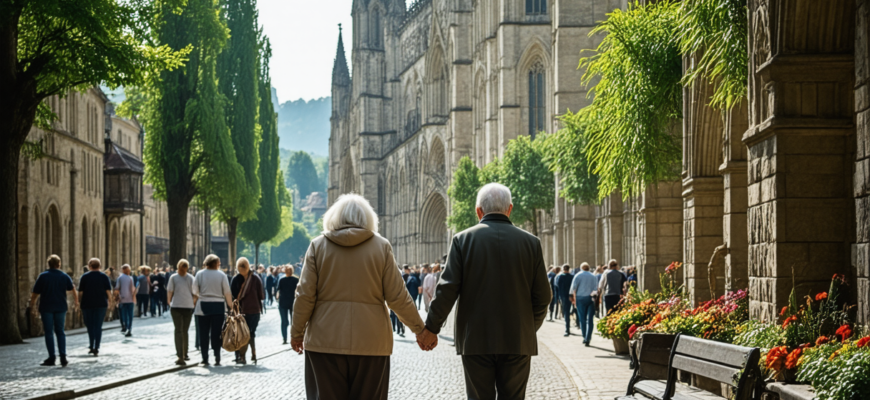
Reaching the age of 60 and beyond often marks a new chapter filled with opportunities for exploration, relaxation, and personal fulfillment. Among the most rewarding activities in this stage of life is travel—particularly visiting UNESCO World Heritage sites, which serve as living monuments to human history, culture, and natural beauty. These sites offer not only aesthetic pleasure but also deep educational and emotional enrichment, making them perfect destinations for travelers in their golden years.
In this comprehensive guide, discover why visiting UNESCO World Heritage sites after 60 is not just feasible but highly rewarding. Learn tips to travel safely, select suitable locations, and optimize your journey for maximum enjoyment and benefits. Embark on a journey that can redefine your experience of life after 60, turning travel into a life-affirming adventure.
- The Benefits of Traveling to UNESCO World Heritage Sites After 60
- 1. Cultural Enrichment and Intellectual Stimulation
- 2. Emotional Well-Being and Personal Fulfillment
- 3. Opportunities for Slow-Paced Travel and Leisure
- 4. Social Connection and Family Bonding
- Choosing the Right UNESCO World Heritage Sites for Seniors
- Factors to Consider When Selecting Destinations
- Examples of Suitable UNESCO Sites for Senior Travelers
- Practical Tips for Safe and Enjoyable Travel
- 1. Planning and Booking
- 2. Health and Safety Precautions
- 3. Packing Essentials
- 4. Smart Travel Techniques
- Enhancing the Travel Experience: Activities for Seniors
- Educational Tours and Workshops
- Photography and Journaling
- Wellness and Relaxation
- Case Study: A Perfect UNESCO Tour for Seniors
- Example Itinerary: A Week in Italy’s Rome and Florence
- Overcoming Common Challenges in Senior Travel
- 1. Managing Fatigue
- 2. Navigating Language Barriers
- 3. Dealing with Unexpected Situations
- The Psychological and Cultural Impact of Visiting UNESCO Sites After 60
The Benefits of Traveling to UNESCO World Heritage Sites After 60
1. Cultural Enrichment and Intellectual Stimulation
Visiting UNESCO sites immerses travelers in the rich tapestry of human history and culture. Whether exploring ancient temples, medieval castles, or historic city centers, seniors can engage their minds and broaden their perspectives. This intellectual stimulation is vital for mental health, helping to preserve cognitive functions and provide a sense of purpose and achievement.
2. Emotional Well-Being and Personal Fulfillment
Walking through sites with centuries of history or natural beauty can evoke emotional responses, inspiring awe and nostalgia. The sense of achievement from sightseeing or learning about different civilizations greatly enhances emotional well-being, fostering happiness and a sense of connectedness with humanity.
3. Opportunities for Slow-Paced Travel and Leisure
Many UNESCO sites are accessible and suitable for leisurely exploration, making them an ideal choice for travelers who prefer to avoid hurried tours. Thoughtful planning allows seniors to enjoy their travels at a comfortable pace, reducing fatigue and ensuring a more satisfying experience.
4. Social Connection and Family Bonding
Traveling, especially to globally recognized sites, opens opportunities for bonding with loved ones or meeting new friends. Shared experiences of discovering UNESCO sites can create lasting memories and strengthen relationships at this enriching life stage.
Choosing the Right UNESCO World Heritage Sites for Seniors
Factors to Consider When Selecting Destinations
- Accessibility: Check for wheelchair accessibility, ramps, and transportation options.
- Physical Demands: Prefer sites that require minimal walking or have transportation options within the site.
- Health Facilities: Ensure nearby healthcare facilities are available if needed.
- Interest and Personal Preferences: Focus on historical, cultural, or natural sites that align with personal interests.
Examples of Suitable UNESCO Sites for Senior Travelers
| Site | Location | Highlights | Accessibility Notes |
|---|---|---|---|
| The Historic Centre of Rome, Italy | Rome | Ancient ruins, museums, art | Many areas accessible, but some cobblestones may require caution |
| The Pyramids of Giza, Egypt | Giza | Iconic pyramids and Sphinx | Limited wheelchair access; can be viewed from surrounding areas |
| Cologne Cathedral, Germany | Cologne | Gothic architecture, museums nearby | Elevators available; suitable for limited mobility |
| Historic Centre of Havana, Cuba | Havana | Colonial architecture, vibrant culture | Mostly accessible with gentle strolling |
| National Park and the Historic Monumental Complex of Mohács, Hungary | Mohács | Natural beauty combined with cultural sites | Paths suitable for seniors; check individual location specifics |
Practical Tips for Safe and Enjoyable Travel
1. Planning and Booking
- Schedule trips during shoulder seasons to avoid crowds and extreme weather.
- Pre-book guided tours that cater to seniors, with options for slow-paced exploration.
- Choose accommodations with easy access, such as ground-floor rooms or properties with elevators.
2. Health and Safety Precautions
- Consult a healthcare provider before traveling to ensure vaccinations are up-to-date and discuss any health concerns.
- Carry necessary medications, along with copies of prescriptions.
- Ensure travel insurance covers health emergencies abroad.
- Stay hydrated, wear comfortable shoes, and take regular breaks.
3. Packing Essentials
- Comfortable, supportive footwear suitable for walking
- Sunscreen, hat, and sunglasses for sun protection
- Lightweight, weather-appropriate clothing
- Mini first-aid kit and hand sanitizer
4. Smart Travel Techniques
- Use mobility aids like walking sticks or portable chairs if needed.
- Take advantage of transportation options such as rentable scooters or shuttles within large sites.
- Limit sightseeing hours to ensure a relaxed pace
- Engage local guides who specialize in senior-friendly tours
Enhancing the Travel Experience: Activities for Seniors
Educational Tours and Workshops
Many UNESCO sites offer guided tours, workshops, or cultural performances that provide immersive experiences. Participating in these activities can significantly enhance understanding and enjoyment.
Photography and Journaling
Capturing moments with photographs or writing travel diaries can deepen emotional connection with the experience and create lasting memories.
Wellness and Relaxation
Combine sightseeing with wellness activities like yoga, meditation, or spa visits for holistic enjoyment.
Case Study: A Perfect UNESCO Tour for Seniors
Example Itinerary: A Week in Italy’s Rome and Florence
- Day 1: Arrival and relaxed exploration of Rome’s Piazza Navona and Pantheon
- Day 2: Guided accessible tour of the Colosseum and Roman Forum
- Day 3: Visit to Vatican Museums and St. Peter’s Basilica, with optional audio guides
- Day 4: Travel to Florence with scenic train ride, check-in at accessible hotel
- Day 5: Guided walk through Florence’s historic center, including the Duomo
- Day 6: Excursion to Tuscany countryside or leisure day for shopping and local cafes
- Day 7: Departure
Overcoming Common Challenges in Senior Travel
1. Managing Fatigue
Plan for ample rest periods, prioritize key sights, and avoid overpacking the itinerary. Use transportation modes to minimize walking fatigue.
2. Navigating Language Barriers
Employ translation apps or hire local guides fluent in your language to facilitate smoother interactions.
3. Dealing with Unexpected Situations
Have contingency plans, keep emergency contacts handy, and maintain a flexible attitude for unforeseen circumstances.
The Psychological and Cultural Impact of Visiting UNESCO Sites After 60
Traveling to UNESCO sites reinforces a sense of achievement and active engagement with life. It nurtures curiosity, encourages lifelong learning, and helps maintain independence and confidence. Exposure to diverse cultures and histories fosters tolerance, empathy, and a broader worldview, which are vital for personal growth and social connection in later years.
Traveling after 60 to UNESCO World Heritage sites offers a myriad of benefits—from cognitive and emotional enrichment to cultural discovery and leisure. With thoughtful planning, attention to safety, and an open mind, seniors can enjoy these timeless treasures fully and comfortably. Each journey not only creates cherished memories but also enriches the soul, affirming that adventure and learning have no age limit.
Embrace the opportunity to explore, learn, and grow—your extraordinary journey to UNESCO World Heritage sites can be a highlight of your life after 60, opening new horizons and inspiring a renewed zest for life.
Похожие записи:
 Discovering Cultural Festivals Abroad After 60: A Guide to Enriching Your Golden Years
  Unmissable Cultural Immersion Experiences for Mature Explorers: Embrace the World After 60
  Discovering Hidden Gems: How to Explore Off-the-Beaten-Path Destinations Safely After 60
  Planning a World Cruise for Retirees: Ultimate Guide to Exploring the Globe After 60
  Embracing Solo Travel Adventures in Later Years: A Guide for the Over 60s
  How to Pack Smart for Long-Term Travel: Essential Tips for Travelers Over 60
  Ultimate Guide: How to Start Backpacking After 60 and Embrace an Adventurous Life
  Exploring Remote Villages and Towns Globally: A Guide for Life After 60
  Discover the Best Diving and Snorkeling Hotspots for Mature Travelers: A Complete Guide to Exploring Underwater Paradises After 60
  Building Resilience and Emotional Strength in Later Years: A Guide to Thriving After 60
  Farm Stays and Rural Experiences Abroad: A Guide for Life After 60
  Cycling Trips for Active Seniors Seeking New Challenges: Unlocking Adventure After 60
  Mountain Trekking Adventures for Experienced Seniors: A Guide to Safe and Exciting Exploration After 60
  Sailing Vacations for Seasoned Travelers: Embrace the Joy of the Seas After 60
  The Role of Pets in Senior Health and Happiness: How Animals Bring Joy and Well-Being in Later Years
 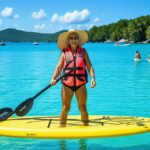 Embrace Adventure: Learning New Water Sports During Your Travels After 60