
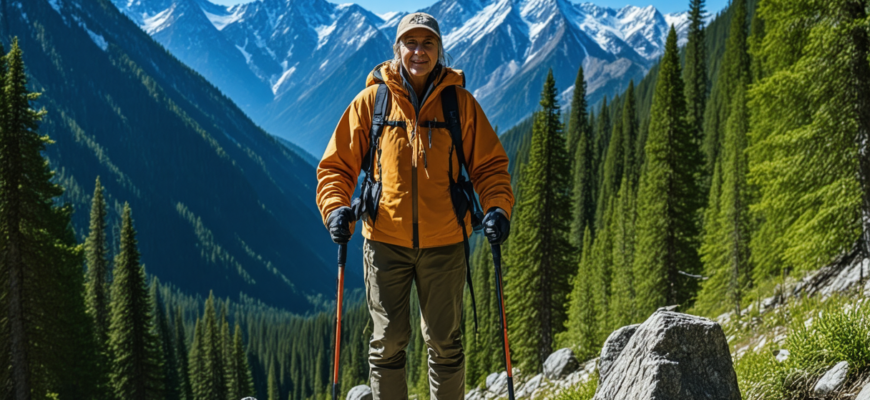
Embarking on mountain trekking adventures after the age of 60 might seem daunting, but for many experienced seniors, it represents a pinnacle of personal achievement, health, and exploration. As life after 60 can be filled with new opportunities, physical activity, and breathtaking experiences, mountain trekking offers an excellent way to stay active, connect with nature, and create memorable moments. This comprehensive guide delves into the nuances of mountain trekking tailored specifically for seasoned explorers, emphasizing safety, preparation, and the immense benefits of such adventures.
- Why Mountain Trekking is Perfect for Seniors with Experience
- Key Considerations for Senior Mountain Trekking
- Health and Medical Preparation
- Physical Fitness and Training
- Choosing the Right Mountain Trekking Destination
- Factors to Consider
- Popular Destinations for Senior Trekking Adventures
- Essential Gear and Equipment for Senior Trekkers
- Planning a Safe and Enjoyable Trek
- Itinerary Design
- Altitude Acclimatization and Hydration
- Training and Preparation Tips
- Staying Safe During the Trek
- Listening to Your Body
- Maintaining Social Support
- Benefits of Mountain Trekking for Seniors
- Embrace the Mountains After 60
- Additional Resources and Tips
Why Mountain Trekking is Perfect for Seniors with Experience
Mountain trekking is not merely a physical activity but also a journey that stimulates the mind, nurtures the soul, and fosters connection with the natural world. For experienced seniors, who have accumulated wisdom, resilience, and a zest for life, trekking offers several unique advantages:
- Enhanced Physical Fitness: Engaging in trekking helps maintain cardiovascular health, strengthen muscles, and improve balance.
- Mental Stimulation: Navigating varied terrains challenges cognition and sharpens mental acuity.
- Connection with Nature: Experiencing scenic vistas and tranquility promotes emotional well-being and stress relief.
- Social Engagement: Group treks foster new relationships and shared experiences among peers.
- Sense of Achievement: Overcoming natural obstacles instills confidence and a renewed sense of purpose.
Key Considerations for Senior Mountain Trekking
Health and Medical Preparation
Before planning a mountain trekking adventure, seniors should assess their health status comprehensively. Regular check-ups are vital, especially for individuals with pre-existing conditions such as hypertension, diabetes, or joint issues.
- Medical Clearance: Obtain approval from a healthcare professional, emphasizing physical activity suitability.
- Medication Management: Carry sufficient medication and understand how altitude may affect health.
- Emergency Preparedness: Have a plan for emergencies, including access to nearest medical facilities.
Physical Fitness and Training
Preparedness is crucial for a safe trekking experience. Seniors should incorporate targeted exercises to build endurance, strength, and flexibility. Recommended training includes:
- Walking on uneven surfaces
2>Climbing stairs regularly
3>Strength training for legs and core
4>Balance exercises such as Tai Chi or yoga
5>Cardiovascular workouts like brisk walking or cycling
Starting a training program well in advance (preferably 3-6 months before the trek) ensures that the body adapts to physical demands.
Choosing the Right Mountain Trekking Destination
Factors to Consider
Not all mountain trips are suitable for seniors; selecting an appropriate destination is paramount. Considerations include:
- Altitude: Opt for lower altitudes (up to 2,500 meters) to avoid altitude sickness.
- Trail Difficulty: Select moderate routes with well-maintained paths.
- Climate: Favor regions with mild weather conditions, avoiding extreme cold or heat.
- Accessibility: Ensure logistics are manageable, with available support facilities.
Popular Destinations for Senior Trekking Adventures
| Destination | Highlights | Ideal for |
|---|---|---|
| Swiss Alps (Switzerland) | Gentle trails, stunning vistas, well-developed infrastructure | Moderate trekkers seeking scenic beauty and comfort |
| Pyrenees (France & Spain) | Beautiful valleys, cultural villages, moderate elevation | Eco-tourists and cultural explorers |
| Dolomites (Italy) | Unique rock formations, accessible hiking trails | Nature enthusiasts with moderate fitness |
| Andes (Peru – around Cusco) | Historical sites, scenic mountain passes at manageable heights | History lovers and adventure seekers |
| Japanese Alps (Japan) | Serenity, hot springs, gentle paths in many areas | Relaxing yet invigorating trekking experience |
Essential Gear and Equipment for Senior Trekkers
Proper gear enhances safety and comfort, reducing risks and increasing enjoyment. Key equipment includes:
- Footwear: Supportive, waterproof trekking boots with good grip
- Clothing: Layers suitable for changing weather conditions (moisture-wicking shirts, insulating layers, waterproof jackets)
- Backpack: Ergonomic with padded straps, containing essentials and medical kit
- Navigation Tools: Maps, GPS device, or mobile applications
- Accessories: Trekking poles, sun protection (hat, sunglasses, sunscreen)
- Safety Items: First aid kit, whistle, flashlight
Planning a Safe and Enjoyable Trek
Itinerary Design
Creating a flexible, well-paced plan helps manage energy levels and adapt to unforeseen circumstances. Tips include:
- Allow for rest days and acclimatization time
2>Plan daily leg distances considering individual pace
3>Include opportunities for cultural or scenic detours
4>Schedule in accessible accommodation options
Altitude Acclimatization and Hydration
Dealing with altitude changes demands attention:
- Ascend gradually, following the “climb high, sleep low” principle
- Stay well-hydrated by drinking plenty of water
- Eat high-energy foods to maintain strength
- Recognize early symptoms of altitude sickness and descend if necessary
Training and Preparation Tips
Adopting a dedicated pre-trek training regimen boosts confidence and physical readiness. Consider the following:
- Engage in regular walking on varied terrains
- Build stamina with cardio exercises like brisk walking or swimming
- Incorporate strength training for legs, back, and core muscles
- Practice balance exercises weekly
- Participate in local hikes to simulate outdoor conditions
It is advisable to start training 3–6 months in advance, gradually increasing intensity and duration.
Staying Safe During the Trek
Listening to Your Body
One of the most critical safety tips is awareness. Seniors should:
- Take regular breaks to avoid fatigue
- Stay hydrated and nourished
- Be attentive to signs of dehydration, altitude sickness, or joint pain
- Avoid pushing beyond comfort limits
Maintaining Social Support
Joining guided tours or trekking groups designed for seniors fosters camaraderie, safety, and shared enjoyment. Group leaders should be experienced, and small groups (ideally no more than 10 participants) are preferable for personalized support.
Benefits of Mountain Trekking for Seniors
Engaging in mountain adventures in mature years can significantly enhance quality of life:
- Physical Benefits: Improved cardiovascular health, flexibility, and muscle strength
- Mental Benefits: Reduced stress, increased mental clarity, and a sense of accomplishment
- Emotional Well-being: Enhanced mood, confidence, and social connectedness
- Personal Growth: Overcoming challenges, discovering new passions, and revitalizing a sense of adventure
Embrace the Mountains After 60
The journey of mountain trekking after the age of 60 is a compelling testament to the enduring spirit of exploration and resilience. With prudent planning, proper preparation, and a focus on safety, seniors can partake in exhilarating adventures that enrich their lives physically, emotionally, and spiritually. The mountains beckon not only for the young but also for the wise and experienced explorers eager to experience nature’s grandeur beyond traditional boundaries. Ultimately, age should never be a barrier to adventure; rather, it becomes a testament to the limitless possibilities that life offers at any stage.
Additional Resources and Tips
- Join a senior trekking group: Many organizations offer age-appropriate trekking programs.
- Consult with a healthcare provider: Especially if planning high-altitude trips or managing health conditions.
- Stay informed: Read about the destination, weather forecasts, and current trail conditions.
- Invest in quality gear: Prioritize comfort and safety over cost to ensure a successful trip.
- Capture memories: Carry a camera or smartphone to document the adventure, creating lifelong memories.
By embracing mountain trekking, seniors over 60 can redefine their physical and emotional horizons, proving that adventure and discovery truly have no age limits. It’s time to lace up those hiking boots, breathe in the fresh mountain air, and discover the boundless beauty that awaits beyond the horizon.
Похожие записи:
 Embracing Solo Travel Adventures in Later Years: A Guide for the Over 60s
  Exploring Remote Villages and Towns Globally: A Guide for Life After 60
  Understanding and Managing Grief and Loss in Later Life: A Guide for Seniors
  Planning a World Cruise for Retirees: Ultimate Guide to Exploring the Globe After 60
  The Benefits of Regular Exercise for Seniors: Enhancing Life After 60
  Exploring New Fitness Trends for Seniors: Stay Active and Healthy After 60
  The Benefits of Garden Therapy and Outdoor Activities for Seniors: Embracing Life After 60
  Discovering Cultural Festivals Abroad After 60: A Guide to Enriching Your Golden Years
  How to Pack Smart for Long-Term Travel: Essential Tips for Travelers Over 60
  Exploring Alternative Therapies for Wellness: A Guide for Life After 60
  Exploring Holistic Approaches to Senior Wellness: A Guide to Thriving After 60
  The Importance of Routine Health Screenings: A Guide for Life After 60
  Meditation and Mindfulness Practices for Stress Relief: A Guide for Those Over 60
  The Vital Role of Maintaining Independence and Mobility After 60
  Building Resilience and Emotional Strength in Later Years: A Guide to Thriving After 60
  Understanding and Managing Diabetes After 60: Essential Guide for a Healthy Life