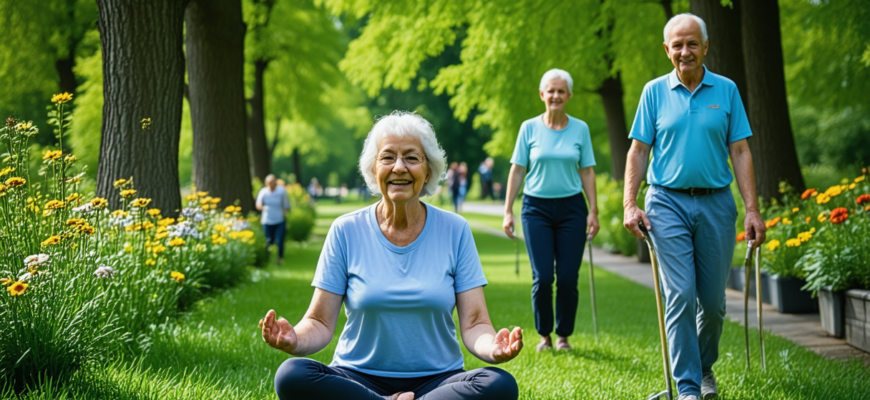
Reaching the age of 60 and beyond marks a significant milestone in life’s journey, bringing new opportunities, challenges, and perspectives. As the body and mind change over time, maintaining optimal health and wellness becomes essential. Instead of focusing solely on treating ailments, a holistic approach offers a comprehensive pathway to enhance quality of life, foster vitality, and promote emotional well-being. This article explores various holistic strategies tailored for seniors, emphasizing interconnected aspects of health to support thriving after 60.
- Understanding Holistic Wellness in Aging
- The Foundations of Holistic Senior Wellness
- Physical Health
- Mental and Cognitive Wellness
- Emotional and Spiritual Well-being
- Social Connection
- Holistic Strategies for Senior Wellness
- Physical Strategies
- Exercise and Movement
- Nutrition
- Sleep Hygiene
- Mental and Cognitive Wellness
- Stimulating the Mind
- Mindfulness and Meditation
- Managing Stress
- Emotional and Spiritual Well-being
- Fostering Positive Emotions
- Spiritual Practices
- Enhancing Social Connections
- Building a Support Network
- Overcoming Social Barriers
- Integrating Complementary and Alternative Medicine
- Herbal Supplements and Natural Remedies
- Acupuncture and Massage Therapy
- Mind-Body Practices
- Creating a Personalized Wellness Plan
- Addressing Common Barriers in Senior Wellness
- Physical Limitations
- Financial Constraints
- Lack of Motivation
- The Role of Technology in Senior Wellness
- Telehealth and Remote Monitoring
- Educational Resources and Online Communities
- Measuring Success and Progress
- Embracing a Holistic Lifestyle After 60
Understanding Holistic Wellness in Aging
Holistic wellness encompasses the idea that health is a harmonious integration of physical, mental, emotional, social, and spiritual well-being. Unlike traditional medicine, which often targets specific symptoms or diseases, holistic approaches recognize the interdependence of various life aspects. For seniors, this perspective encourages proactive engagement in practices that nurture all facets of health, leading to improved resilience, energy, and overall happiness.
The Foundations of Holistic Senior Wellness
Physical Health
Physical health remains central to senior wellness. Maintaining mobility, strength, and flexibility supports independence and reduces the risk of falls and chronic disease. Regular exercise, balanced nutrition, adequate sleep, and preventive healthcare are fundamental.
Mental and Cognitive Wellness
Keeping the mind active through continuous learning, puzzles, reading, or new hobbies helps preserve cognitive function. Managing stress and practicing mindfulness can also protect against cognitive decline and mental health disorders like depression and anxiety.
Emotional and Spiritual Well-being
Emotional health involves managing feelings, fostering positive relationships, and maintaining a sense of purpose. Spirituality, whether through religion, meditation, or personal reflection, provides comfort and meaning during life’s later years.
Social Connection
Social interactions combat loneliness and promote happiness. Engaging with family, friends, community groups, or volunteer activities keeps seniors socially active and engaged.
Holistic Strategies for Senior Wellness
Implementing a variety of practices that address physical, mental, emotional, social, and spiritual health creates a balanced approach to aging well. Below are detailed strategies categorized by these aspects.
Physical Strategies
Exercise and Movement
- Walking: A low-impact activity suitable for most seniors. Recommended at least 30 minutes daily.
- Yoga and Stretching: Improves flexibility, balance, and muscle strength. Many tailored senior classes are available.
- Strength Training: Using light weights or resistance bands strengthens muscles and bones.
- Balance Exercises: Such as tai chi, which can reduce fall risk.
Nutrition
A balanced diet should prioritize nutrient-dense foods. Key components include:
| Nutrient | Sources | Benefits |
|---|---|---|
| Vitamin D and Calcium | Dairy, leafy greens, fortified foods | Bone health |
| Omega-3 Fatty Acids | Fish, flaxseeds, walnuts | Heart and brain health |
| Fiber | Whole grains, fruits, vegetables | Digestive health, reduces cholesterol |
| Antioxidants | Berries, nuts, colorful vegetables | Reduce oxidative stress and inflammation |
Sleep Hygiene
Establishing regular sleeping patterns, creating a restful environment, and avoiding stimulants improve sleep quality.
Mental and Cognitive Wellness
Stimulating the Mind
- Puzzles and Brain Games: Crosswords, Sudoku, or digital brain training apps.
- Learning New Skills: Playing an instrument, new languages, or crafts.
- Reading and Writing: Regularly engaging with books or journaling.
Mindfulness and Meditation
Practicing mindfulness reduces stress, enhances emotional regulation, and may slow cognitive decline. Techniques include deep breathing, body scans, and guided meditation sessions.
Managing Stress
Effective stress management enhances overall health. Practices such as yoga, tai chi, breathing exercises, or engaging hobbies are beneficial.
Emotional and Spiritual Well-being
Fostering Positive Emotions
- Gratitude journaling.
- Mentoring or volunteering, which enhances a sense of purpose.
- Engaging in hobbies that bring joy.
Spiritual Practices
Activities like prayer, meditation, or participating in community spiritual groups foster connection and provide comfort.
Enhancing Social Connections
Building a Support Network
- Staying in touch with family and friends via calls and visits.
- Joining clubs or community groups aligned with personal interests.
- Participating in volunteer work or spiritual communities.
Overcoming Social Barriers
Seniors may face mobility issues, transportation challenges, or health barriers. Solutions include community shuttles, online meetups, and senior centers that promote social interaction.
Integrating Complementary and Alternative Medicine
Herbal Supplements and Natural Remedies
Use cautiously and consult healthcare providers to incorporate safe herbal remedies that support general health and well-being.
Acupuncture and Massage Therapy
These practices can alleviate pain, reduce stress, and improve circulation when performed by licensed practitioners.
Mind-Body Practices
| Practice | Description | Potential Benefits |
|---|---|---|
| Yoga | Physical postures combined with breathing and meditation. | Flexibility, mental clarity, relaxation. |
| Tai Chi | Gentle martial arts focusing on slow, flowing movements. | Balance, stress reduction, longevity. |
| Qigong | Breathing, movement, and meditation techniques. | Energy boosting, mental calmness. |
Creating a Personalized Wellness Plan
Each senior’s needs and preferences are unique. Developing an individualized plan involves assessing current health status, setting realistic goals, and seeking input from healthcare and wellness professionals. Regular review and adjustment ensure the plan remains relevant and effective.
Addressing Common Barriers in Senior Wellness
Physical Limitations
Exercises should be modified according to physical capabilities. Consulting a physiotherapist or fitness trainer specializing in senior fitness can optimize safety and effectiveness.
Financial Constraints
Many holistic practices are affordable or free. Community programs, online resources, and local organizations may offer low-cost options for wellness activities.
Lack of Motivation
Building routines, setting small achievable goals, and enlisting social support enhance motivation and adherence to wellness routines.
The Role of Technology in Senior Wellness
Telehealth and Remote Monitoring
Virtual consultations facilitate access to healthcare providers, while wearable devices track activity, sleep, and vital signs, empowering seniors to maintain awareness of their health.
Educational Resources and Online Communities
Websites, forums, and online courses provide valuable information and peer support, fostering continued learning and engagement.
Measuring Success and Progress
Tracking changes in physical capabilities, mood, social activity, and overall satisfaction helps evaluate the effectiveness of holistic approaches. Regular assessments may include self-report questionnaires, health check-ups, and feedback from caregivers.
Embracing a Holistic Lifestyle After 60
Adopting a holistic approach to wellness after the age of 60 offers numerous benefits, including increased vitality, mental clarity, emotional resilience, and social fulfillment. By integrating physical activity, proper nutrition, mental stimulation, emotional support, and spiritual practices into daily routines, seniors can craft a vibrant, balanced life. Ultimately, wellness is a personal journey—embracing a comprehensive, interconnected strategy unlocks the potential for a fulfilling and healthy life after 60.
Remember, the key to successful aging lies in consistency, individualization, and a positive outlook. As age gracefully progresses, cultivating holistic health becomes an empowering step toward living life to the fullest.
Похожие записи:
 Exploring Alternative Therapies for Wellness: A Guide for Life After 60
  Building Resilience and Emotional Strength in Later Years: A Guide to Thriving After 60
  Exploring New Fitness Trends for Seniors: Stay Active and Healthy After 60
  The Role of Pets in Senior Health and Happiness: How Animals Bring Joy and Well-Being in Later Years
  The Transformative Power of Volunteering: Enhancing Senior Mental Health
  Meditation and Mindfulness Practices for Stress Relief: A Guide for Those Over 60
  Understanding and Managing Grief and Loss in Later Life: A Guide for Seniors
  Achieving Harmony: Balancing Work and Relaxation for Well-Being After 60
  The Impact of Social Activities on Mental Health After 60
  Staying Socially Connected to Enhance Mental Well-being After 60
  Embracing a Positive Outlook for Aging Gracefully: Unlocking the Secrets to a Fulfilling Life After 60
  The Benefits of Garden Therapy and Outdoor Activities for Seniors: Embracing Life After 60
  The Vital Role of Maintaining Independence and Mobility After 60
  The Importance of Routine Health Screenings: A Guide for Life After 60
  Understanding and Managing Diabetes After 60: Essential Guide for a Healthy Life
  Smart Strategies for Planning Long-Term Healthcare Needs After 60