
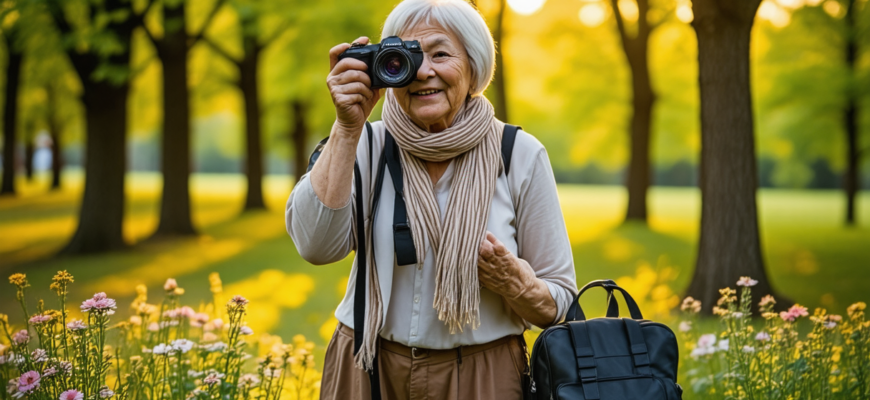
Retirement and aging are often associated with a shift in priorities, a slowing down of routines, and a pursuit of relaxation. However, they also open doors to new adventures and creative pursuits that can significantly enhance quality of life. One such inspiring activity is photography—a visual art form that provides not only a creative outlet but also a means to explore the world anew. This article explores how taking up photography after 60 can become a fulfilling hobby, boost mental well-being, and foster a renewed appreciation for life’s beauty.
- The Benefits of Photography for Seniors
- Mental Stimulation and Cognitive Health
- Physical Activity and Mobility
- Emotional Well-Being and Self-Expression
- Social Connection and Community Involvement
- Getting Started with Photography After 60
- Choose Your Equipment
- Learn Basic Photography Principles
- Utilize Resources for Learning
- Practical Tips for Successful Photography in Later Years
- Capture the Everyday
- Explore Different Genres
- Organize and Archive Photos
- Stay Safe and Comfortable Outdoors
- Overcoming Challenges in Senior Photography
- Physical Limitations
- Technological Frustration
- Maintaining Motivation and Inspiration
- The Artistic and Personal Growth Through Photography
- Inspirational Success Stories
- Life After 60 and the Power of Visual Storytelling
- Final Thoughts
The Benefits of Photography for Seniors
Engaging in photography as a senior offers numerous advantages that go beyond capturing images. It encourages mental stimulation, physical activity, social interaction, and emotional expression. Here are some key benefits:
Mental Stimulation and Cognitive Health
- Learning new skills, such as operating a camera or editing software, stimulates brain activity.
- Engaging in focused observation enhances concentration and visual perception.
- The creative process promotes mental agility, which can help reduce cognitive decline.
Physical Activity and Mobility
- Walking trips for photography encourage outdoor activity and movement.
- Carrying a camera and equipment involves light physical effort, aiding mobility.
- Exploring different environments stimulates physical health.
Emotional Well-Being and Self-Expression
- Photography allows for personal storytelling and emotional expression.
- Capturing meaningful moments enhances happiness and life satisfaction.
- The creative process serves as a stress reliever and mindfulness practice.
Social Connection and Community Involvement
- Joining photography clubs or online groups fosters social interaction.
- Sharing images and critiquing work builds confidence and community ties.
- Participating in exhibitions or contests encourages engagement.
Getting Started with Photography After 60
Embarking on a photography journey in later years is accessible and rewarding. Here is a step-by-step guide to help seniors begin confidently:
Choose Your Equipment
Starting with user-friendly gear minimizes frustration and makes learning enjoyable.
| Option | Advantages | Considerations |
|---|---|---|
| Smartphone Camera | Easy to use, always with you, minimal setup | Limited manual controls, lower image quality compared to professional cameras |
| Point-and-Shoot Camera | Simple interface, decent image quality, portable | Limited customization options |
| Mirrorless Camera / DSLR | High image quality, interchangeable lenses, manual controls | Heavier, more complex for beginners, higher cost |
For those just starting out, smartphones or compact cameras are ideal. As experience grows, more advanced equipment can be considered.
Learn Basic Photography Principles
Understanding core concepts enhances the quality of photographs and enjoyment of the craft. The essential principles include:
- Composition: How elements are arranged within the frame. Techniques such as the rule of thirds, leading lines, and framing help create balanced images.
- Lighting: Natural light is often best; understanding the time of day (golden hour) can add warmth and depth to photos.
- Exposure: Balancing ISO, shutter speed, and aperture to achieve proper brightness and focus.
- Focus: Ensuring the subject is sharp; experimenting with focus points adds creative control.
Utilize Resources for Learning
Numerous free and paid resources are available:
- Online tutorials and courses (e.g., YouTube, Udemy)
- Local workshops and classes designed for seniors
- Photography books and magazines
- Photography forums and social media groups for feedback and inspiration
Practical Tips for Successful Photography in Later Years
Capture the Everyday
Documenting daily life, family, friends, and nature can create meaningful memories and enhance personal storytelling. Focus on subjects that evoke joy or curiosity.
Explore Different Genres
- Landscape Photography: Showcasing nature and open spaces.
- Portraits: Capturing loved ones or strangers with permission.
- Macro Photography: Showing the intricate details of flowers, insects, or textures.
- Documentary: Telling stories through images of community events or daily routines.
Organize and Archive Photos
- Create digital albums for easy access and sharing.
- Back up photographs regularly to prevent data loss.
- Print favorite images to frame or create photo books, adding a tangible dimension to the hobby.
Stay Safe and Comfortable Outdoors
- Dress appropriately for weather conditions.
- Bring water, sun protection, and comfortable footwear.
- Plan outings in familiar or accessible locations.
Overcoming Challenges in Senior Photography
While taking up photography after 60 can be highly rewarding, certain obstacles may arise:
Physical Limitations
- Implement ergonomic equipment or tripods for stability.
- Adjust camera settings for ease of use, such as auto-focus and auto-exposure modes.
- Take regular breaks during outdoor shoots to prevent fatigue.
Technological Frustration
- Seek simple tutorials tailored for seniors.
- Join community groups for peer support.
- Practice patience and celebrate small successes.
Maintaining Motivation and Inspiration
- Set achievable goals, such as capturing a certain theme each week.
- Participate in local exhibitions or online contests.
- Share work with friends and family for encouragement.
The Artistic and Personal Growth Through Photography
Engaging with photography provides opportunities for continuous learning and artistic development. Over time, seniors may find:
- Enhanced sense of observation and mindfulness
- Improved patience and attention to detail
- Increased confidence in creative expression
- New friendships formed through shared interests
Inspirational Success Stories
Many seniors have discovered a passion for photography that enriched their lives. For example, Mary, a retired teacher, started photographing local parks and her grandchildren. Her work was showcased in a community gallery, inspiring others to pursue their hobbies regardless of age. Similarly, Ivan, a former engineer, used macro photography to capture insects and textures, publishing a photo book that garnered local recognition.
Life After 60 and the Power of Visual Storytelling
Taking up photography after 60 is more than just a hobby; it is an avenue for self-discovery, emotional well-being, and social engagement. It encourages seniors to observe the world around them with fresh eyes, express their unique perspectives, and connect with others through shared creativity. With patience, curiosity, and a willingness to learn, photography can serve as a lifelong journey that enriches the years beyond retirement and beyond.
Final Thoughts
Everyone, regardless of age, possesses an innate desire to explore and create. Photography offers a flexible, accessible, and deeply rewarding way for seniors to nurture this desire. As the camera becomes an extension of their eyes and a tool for storytelling, seniors can find new meaning, joy, and inspiration in their daily lives. So, pick up a camera, step outside, and start capturing the beauty that surrounds you—you might be surprised at the artistic talents yet to be discovered.
Похожие записи:
 Taking Up Photography as a Creative Outlet After 60: A Guide to Enriching Life Through the Lens
  Embrace the Thrill: Participating in Adventure Photography During Travel After 60
  Embracing Knowledge and Connection: Joining Book Clubs and Literary Discussions After 60
  Embracing a Positive Outlook for Aging Gracefully: Unlocking the Secrets to a Fulfilling Life After 60
  The Benefits of Garden Therapy and Outdoor Activities for Seniors: Embracing Life After 60
  Exploring Painting and Drawing for Relaxation: A Creative Path to Serenity After 60
  Capturing Memories on Adventure Trips: Essential Tips for Seniors
  Conquering Fear: Embracing New Adventure Sports After 60
  Embracing Wellness and Adventure After 60: The Perfect Blend for Active, Healthy Living
  Embracing Solo Travel Adventures in Later Years: A Guide for the Over 60s
  Understanding and Managing Grief and Loss in Later Life: A Guide for Seniors
  Building a Legacy for Your Loved Ones: A Comprehensive Guide to Securing Your Life After 60
  Exploring Alternative Therapies for Wellness: A Guide for Life After 60
  The Benefits of Regular Exercise for Seniors: Enhancing Life After 60
  Ultimate Guide: How to Start Backpacking After 60 and Embrace an Adventurous Life
  Generating Passive Income Streams in Retirement: A Comprehensive Guide for Life After 60