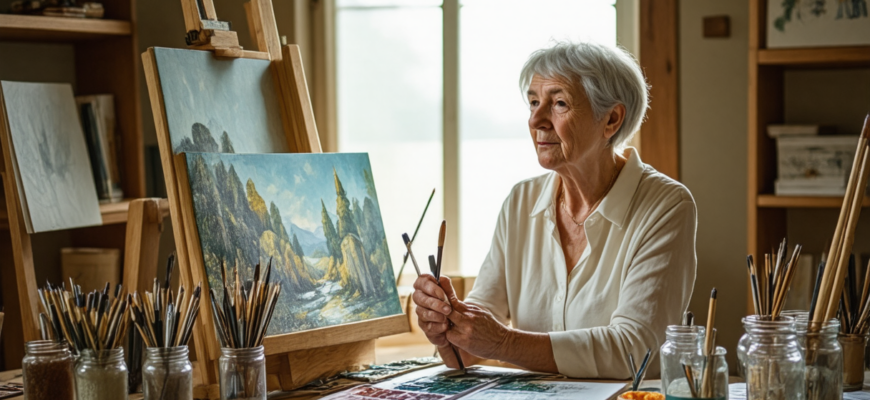
Reaching the age of 60 and beyond often brings a period of reflection, new opportunities, and the pursuit of hobbies that promote well-being and inner peace. Among these pursuits, painting and drawing stand out as remarkably beneficial activities, offering more than just artistic expression. They serve as powerful tools for relaxation, mental stimulation, and emotional health. This comprehensive guide explores the myriad ways painting and drawing support a balanced and fulfilling life after 60, providing practical tips, scientific insights, and inspiring examples to motivate seniors to embark on their creative journey.
- Understanding the Therapeutic Benefits of Painting and Drawing
- The Science Behind Creativity and Relaxation
- Psychological and Emotional Benefits
- Getting Started with Painting and Drawing After 60
- Choosing the Right Medium and Materials
- Gathering Necessary Supplies
- Creating a Relaxing Artistic Environment
- Designing Your Creative Space
- Creating a Routine
- Techniques and Approaches for Seniors
- Embracing Simplicity and Personal Style
- Incorporating mindfulness and meditation techniques
- Overcoming Common Challenges
- Physical Limitations
- Creativity Blocks and Self-Doubt
- Examples of Inspirational Artistic Activities for Seniors
- Project Ideas for Relaxation and Self-Expression
- Showcasing Artwork and Sharing Joy
- Integrating Painting and Drawing into a Holistic Lifestyle
- Combining Art with Physical and Social Activities
- Balancing Artistic Practice with Other Relaxation Techniques
- Embracing Creativity for a Fulfilling Life After 60
Understanding the Therapeutic Benefits of Painting and Drawing
The Science Behind Creativity and Relaxation
Engaging in artistic activities such as painting and drawing stimulates various regions of the brain responsible for sensory processing, problem-solving, and emotional regulation. Scientific studies indicate that creating art can reduce cortisol levels—the hormone associated with stress—and increase the production of endorphins, which promote feelings of happiness and well-being. Furthermore, the repetitive motions involved in drawing and painting can induce a meditative state, calming the nervous system and helping to alleviate anxiety and depression prevalent in later life stages.
Psychological and Emotional Benefits
- Enhanced Mood: Artistic expression enables seniors to process emotions and experiences creatively, leading to improved mood and reduced feelings of loneliness or boredom.
- Boosted Self-Esteem: Mastering new techniques or completing artworks fosters a sense of achievement and confidence.
- Memory and Cognitive Function: Learning new skills and techniques stimulates memory, concentration, and problem-solving capabilities, helping to delay cognitive decline.
- Stress Relief: The immersive act of creating art diverts attention from daily stressors and allows a mental respite.
Getting Started with Painting and Drawing After 60
Choosing the Right Medium and Materials
The first step towards exploring painting and drawing as relaxation tools is selecting suitable materials. Beginners can experiment with various mediums to discover what resonates most with their preferences and physical capabilities. Here are some popular options:
| Medium | Description | Ideal For |
|---|---|---|
| Pencil Drawing | Easy to control, minimalistic, and versatile; perfect for sketching, shading, and detailed work. | Beginners, those with limited mobility |
| Watercolor Painting | Light, transparent colors that are easy to blend; suitable for a gentle learning curve. | Creative exploration, soft textures |
| Acrylic Painting | Quick-drying, vibrant colors with a range of textures; allows for layering and bold statements. | More expressive work |
| Pastels | Soft or oil pastels provide rich colors and easy blending; ideal for portraits and landscapes. | Expressive and colorful art |
Gathering Necessary Supplies
For those just beginning, purchase basic supplies that are affordable and easy to handle. Essential supplies include:
- Quality sketchbooks or watercolor pads
- Drawing pencils or colored pencils
- A set of watercolor paints or acrylics
- Brushes of various sizes
- Palette for mixing paints
- Easel or comfortable table space
- Apron or old shirt to protect clothing
Creating a Relaxing Artistic Environment
Designing Your Creative Space
An inviting and clutter-free environment enhances the relaxing qualities of artistic pursuits. Consider the following tips for setting up a dedicated art corner:
- Lighting: Natural light is ideal, but adjustable warm artificial lighting will suffice.
- Comfort: Use a supportive chair or stool; ensure your workspace is ergonomically friendly to prevent fatigue.
- Organization: Keep supplies neatly stored in accessible containers or drawers.
- Inspiration: Decorate the space with images, postcards, or artworks that motivate creativity.
Creating a Routine
Consistency is key to reaping the benefits of artistic activities. Allocate specific times during the week dedicated solely to painting or drawing. Even 15-30 minutes daily can significantly impact mental health and relaxation. Remember, the goal is enjoyment, not perfection.
Techniques and Approaches for Seniors
Embracing Simplicity and Personal Style
In any creative endeavor, especially for beginners, it is crucial to focus on enjoyment rather than perfection. Explore various techniques with patience, and develop a personal style that reflects individual spirit and interests. Some approaches include:
- Minimalist Sketching: Use simple shapes and lines to capture subjects quickly and liberate creativity.
- Abstract Art: Experiment with colors and forms without the pressure of realism, allowing for emotional expression.
- Mixed Media: Combine different materials such as pencil, watercolor, and pastels to create textured and layered artworks.
Incorporating mindfulness and meditation techniques
Integrate mindfulness into art practice by paying close attention to the sensations of coloring, brush strokes, and color choices. Breathing exercises before starting work can enhance focus and relaxation, making the artistic process a meditative experience.
Overcoming Common Challenges
Physical Limitations
Many seniors face mobility issues or arthritis, which can impede fine motor skills. Adapt techniques and tools accordingly:
- Use larger brushes or pencils for easier handling.
- Employ ergonomic tools designed for comfortable grip.
- Take frequent breaks to prevent fatigue.
Creativity Blocks and Self-Doubt
Feeling uninspired or doubting one’s abilities is normal. Strategies to overcome these include:
- Engaging in guided tutorials or online classes tailored for seniors.
- Joining local art clubs or virtual communities for encouragement and feedback.
- Focusing on the process rather than the outcome.
Examples of Inspirational Artistic Activities for Seniors
Project Ideas for Relaxation and Self-Expression
- Nature Journaling: Sketching flowers, trees, and landscapes from home or outings.
- Memory Collages: Combining drawings and images to capture cherished memories.
- Color Therapy: Choosing soothing color schemes to induce calmness and positivity.
- Daily Doodles: Creating a small, simple drawing every day to build a habit of mindfulness.
Showcasing Artwork and Sharing Joy
While personal satisfaction is paramount, sharing artworks with friends, family, or local communities can enrich the creative experience. Organize small exhibitions at home or participate in online art forums to gain encouragement and appreciation.
Integrating Painting and Drawing into a Holistic Lifestyle
Combining Art with Physical and Social Activities
Incorporate creative pursuits into broader routines for enhanced well-being:
- Walks and Sketching: Explore nature, then capture scenes through quick sketches.
- Art Groups: Join community centers or online groups for regular art sessions and socializing.
- Workshops and Courses: Enroll in local classes designed for seniors to learn new skills and meet peers.
Balancing Artistic Practice with Other Relaxation Techniques
Complement artistic activities with meditation, gentle exercises such as yoga, or music therapy to create a holistic approach to relaxation and mental health.
Embracing Creativity for a Fulfilling Life After 60
Painting and drawing are more than hobbies—they are gateways to relaxation, emotional expression, and intellectual stimulation in later years. By embracing these artistic pursuits, seniors can cultivate a richer, more engaging quality of life, reduce stress, and discover new facets of their personality. With patience, curiosity, and an open mind, creating art becomes a lifelong source of joy and serenity, helping to shape a vibrant and meaningful post-60 journey.
Start small, explore freely, and allow the creativity within to flourish—your artistic journey to relaxation and self-discovery begins today.
Похожие записи:
 Achieving Harmony: Balancing Work and Relaxation for Well-Being After 60
  Discovering Hidden Gems: How to Explore Off-the-Beaten-Path Destinations Safely After 60
  Exploring Alternative Therapies for Wellness: A Guide for Life After 60
  Exploring Holistic Approaches to Senior Wellness: A Guide to Thriving After 60
  Exploring New Fitness Trends for Seniors: Stay Active and Healthy After 60
  Discover the Best Diving and Snorkeling Hotspots for Mature Travelers: A Complete Guide to Exploring Underwater Paradises After 60
  Building Resilience and Emotional Strength in Later Years: A Guide to Thriving After 60
  Meditation and Mindfulness Practices for Stress Relief: A Guide for Those Over 60
  Exploring Remote Villages and Towns Globally: A Guide for Life After 60
  Planning a World Cruise for Retirees: Ultimate Guide to Exploring the Globe After 60
  Understanding and Managing Grief and Loss in Later Life: A Guide for Seniors
  Embrace the Thrill: Participating in Adventure Photography During Travel After 60
  Capturing Memories on Adventure Trips: Essential Tips for Seniors
  The Benefits of Garden Therapy and Outdoor Activities for Seniors: Embracing Life After 60
  Staying Socially Connected to Enhance Mental Well-being After 60
  Building Bridges: How to Foster Meaningful Intergenerational Relationships After 60