
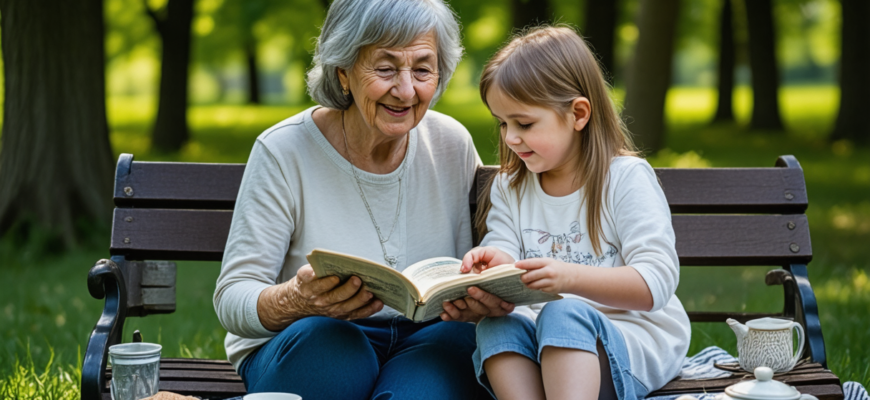
Creating and maintaining strong intergenerational relationships are vital for enriching the lives of seniors and younger generations alike. As people age, particularly beyond the age of 60, fostering meaningful connections with different age groups can lead to improved emotional well-being, enhanced sense of purpose, and a more cohesive community. This comprehensive guide explores various strategies, practical tips, and insightful ideas to help bridge the gap between generations and build enduring relationships that benefit everyone involved.
- The Importance of Intergenerational Relationships in Later Life
- Challenges in Building Intergenerational Relationships
- Strategies for Fostering Intergenerational Relationships
- 1. Promote Mutual Learning and Sharing of Skills
- 2. Encourage Regular and Consistent Contact
- 3. Create Intergenerational Projects and Initiatives
- 4. Foster Understanding and Respect
- 5. Leverage Technology to Connect and Communicate
- Practical Tips for Successful Intergenerational Engagement
- 1. Be Patient and Flexible
- 2. Focus on Shared Interests
- 3. Respect Boundaries and Personal Space
- 4. Encourage Family Involvement
- Measuring the Effectiveness of Intergenerational Relationships
- Incorporating Intergenerational Activities into Daily Life
- Building a Legacy of Connection
- Final Words
The Importance of Intergenerational Relationships in Later Life
Intergenerational relationships—connections between people of different ages—serve as catalysts for social cohesion, mutual understanding, and emotional fulfillment. For seniors, these bonds can combat loneliness, boost self-esteem, and provide opportunities for active engagement. For younger generations, interactions with older adults offer wisdom, perspective, and a sense of continuity and tradition.
Research indicates that strong intergenerational ties contribute to:
- Reduced feelings of loneliness and depression among seniors
- Knowledge transfer and cultural preservation
- Enhanced social skills and empathy in youth
- Community strengthening and increased social capital
Challenges in Building Intergenerational Relationships
Despite their benefits, creating effective intergenerational bonds can be challenging. Some common difficulties include:
- Generation gaps in communication styles and values
- Differences in technological literacy
- Preconceived notions or stereotypes about age groups
- Geographical distances and limited opportunities for face-to-face contact
- Time constraints and busy schedules
Overcoming these obstacles requires patience, understanding, and deliberate effort. The subsequent sections detail actionable approaches to foster strong, lasting intergenerational relationships after 60.
Strategies for Fostering Intergenerational Relationships
1. Promote Mutual Learning and Sharing of Skills
One of the most effective ways to connect different generations is through shared activities that encourage skill exchange. Seniors possess a wealth of knowledge and experience, while younger individuals are often knowledgeable about technology and modern trends.
| Activities | Description |
|---|---|
| Technology Workshops | Older adults learn to navigate smartphones, social media, or new software, while younger participants gain insights into history, tradition, or classic skills. |
| Cooking Classes | Exchange family recipes and cooking techniques, fostering dialogue and shared enjoyment. |
| Arts and Crafts | Collaborate on creative projects, blending different styles and perspectives. |
| Storytelling Sessions | Senior stories about their lives or historical events enrich younger generations’ understanding of history and culture. |
By engaging in mutual learning, both generations feel valued and appreciated, strengthening their emotional bonds.
2. Encourage Regular and Consistent Contact
Consistency is key in building trust and familiarity. Establishing regular visits, calls, or online chats helps maintain connection and provides stability.
- Set up a routine—weekly coffee mornings, daily phone calls, or monthly video chats.
- Use technology to bridge geographical gaps, leveraging video conferencing platforms such as Zoom or Skype.
- Organize seasonal gatherings, family reunions, or community events focused on intergenerational interaction.
This regular contact nurtures relationships and reduces feelings of isolation, especially for seniors living alone.
3. Create Intergenerational Projects and Initiatives
Collaborative projects serve as excellent platforms for building bonds while accomplishing meaningful goals. Some ideas include:
- Community Gardens: Plants are nurtured by varying generations, which teach patience and teamwork.
- History Projects: Document local history or family trees with contributions from different age groups.
- Volunteer Activities: Engage in community service such as cleaning parks or helping at shelters.
- Digital Storytelling: Use multimedia to share life stories experienced by seniors or creative stories imagined by youth.
4. Foster Understanding and Respect
Mutual respect and understanding form the foundation of any successful relationship. To encourage this:
- Practice active listening, giving full attention and empathy during conversations.
- Address stereotypes directly by discussing and challenging misconceptions about age and abilities.
- Respect individual preferences—no pressure to participate in every activity.
- Recognize and honor differences in communication styles, interests, and values.
5. Leverage Technology to Connect and Communicate
Modern communication tools can facilitate regular interaction, especially when physical meetings are difficult. Some tips include:
- Providing technology training tailored to seniors to enhance their digital literacy.
- Using simple messaging apps for quick updates and sharing photos or videos.
- Creating shared online albums or social media groups dedicated to family or community updates.
- Encouraging the use of virtual reality or augmented reality experiences to explore new places together remotely.
Practical Tips for Successful Intergenerational Engagement
1. Be Patient and Flexible
Understanding that building relationships takes time is crucial. Flexibility allows for accommodating differing schedules, health conditions, and comfort levels with new activities.
2. Focus on Shared Interests
Identify common hobbies or topics to ensure engaging and enjoyable interactions. For example, music, gardening, reading, or sports can serve as excellent bases for connection.
3. Respect Boundaries and Personal Space
While fostering closeness, it’s essential to respect individual limits, especially regarding physical contact or emotional disclosures.
4. Encourage Family Involvement
Family members can serve as facilitators for intergenerational activities, promoting a supportive environment for these bonds to grow.
Measuring the Effectiveness of Intergenerational Relationships
To ensure that efforts to foster these relationships are successful, consider tracking progression with the following methods:
| Indicators | Examples |
|---|---|
| Frequency of interactions | Number of visits, calls, or virtual meetings per month |
| Quality of interactions | Positive feedback, shared laughter, meaningful conversations |
| Expressed feelings of belonging and happiness | Self-reports, surveys indicating improved well-being |
| Increased knowledge exchange | Skills learned, stories shared, cultural traditions preserved |
Incorporating Intergenerational Activities into Daily Life
Integrating these practices into everyday routines can make relationships more natural and sustainable. Here are some ideas:
- Daily check-ins—small conversations over breakfast or evening tea.
- Weekly family dinners with shared stories and updates.
- Participation in local community events designed for all ages.
- Encouraging young family members to assist seniors with chores, errands, or tech support.
Building a Legacy of Connection
Fostering intergenerational relationships after 60 is not only beneficial for individual well-being but also vital for cultivating resilient, compassionate communities. By actively engaging in shared activities, respecting differences, embracing technology, and maintaining consistent communication, both older and younger generations can build meaningful bonds that enrich their lives today and for generations to come.
Final Words
Creating intergenerational connections requires patience, effort, and intentionality. The benefits—emotional, cultural, and social—make these endeavors worthwhile. Every conversation, activity, and shared moment contributes to a legacy of understanding and mutual respect, transforming relationships into treasured lifelong bonds.
Start today by reaching out, sharing, and listening—building bridges that stand the test of time.
Похожие записи:
 Building Resilience and Emotional Strength in Later Years: A Guide to Thriving After 60
  The Impact of Social Activities on Mental Health After 60
  Staying Socially Connected to Enhance Mental Well-being After 60
  The Transformative Power of Volunteering: Enhancing Senior Mental Health
  The Benefits of Garden Therapy and Outdoor Activities for Seniors: Embracing Life After 60
  Understanding and Managing Grief and Loss in Later Life: A Guide for Seniors
  Embracing a Positive Outlook for Aging Gracefully: Unlocking the Secrets to a Fulfilling Life After 60
  The Role of Pets in Senior Health and Happiness: How Animals Bring Joy and Well-Being in Later Years
  Achieving Harmony: Balancing Work and Relaxation for Well-Being After 60
  Exploring New Fitness Trends for Seniors: Stay Active and Healthy After 60
  The Vital Role of Maintaining Independence and Mobility After 60
  The Benefits of Regular Exercise for Seniors: Enhancing Life After 60
  Smart Strategies for Planning Long-Term Healthcare Needs After 60
  Understanding and Managing Diabetes After 60: Essential Guide for a Healthy Life
  Meditation and Mindfulness Practices for Stress Relief: A Guide for Those Over 60
  Effective Tips for Maintaining Healthy Bones and Joints After 60