
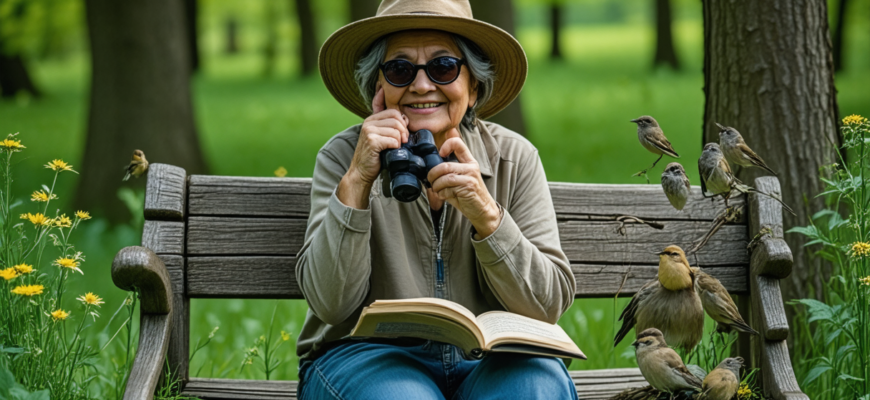
Reaching the age of 60 and beyond often marks a new chapter filled with opportunities for discovery, relaxation, and connection with nature. Among the various pursuits that can enrich this stage of life, bird watching stands out as a captivating hobby that combines tranquility, outdoor activity, and the thrill of spotting beautiful and diverse bird species. This article delves into the world of bird watching for those over 60, highlighting its benefits, how to get started, essential equipment, and tips for making the most of every adventure.
- Why Bird Watching Is an Ideal Hobby for Seniors
- Getting Started with Bird Watching
- Choosing the Right Location
- Timing Is Everything
- What to Wear and Bring
- Essential Equipment for Bird Watching
- Binoculars
- Field Guides and Apps
- Notebook or Digital Device
- Tips for Enjoying Bird Watching After 60
- Start Small and Gradually Expand
- Stay Safe and Comfortable
- Join Bird Watching Groups
- Maintain Flexibility
- Common Bird Species for Beginners to Spot
- Making Bird Watching a Seasonal Adventure
- Spring
- Summer
- Autumn
- Winter
- Incorporating Technology in Bird Watching
- Bird Identification Apps
- Online Communities and Forums
- Video and Audio Recordings
- Concluding Thoughts: The Rewards of Bird Watching After 60
- Final Tips for Aspiring Bird Watchers
Why Bird Watching Is an Ideal Hobby for Seniors
Engaging in bird watching offers numerous advantages, especially for seniors seeking meaningful ways to stay active, mentally stimulated, and connected with the natural environment. Here are some compelling reasons why bird watching can be an ideal hobby after 60:
- Promotes Physical Activity: Bird watching encourages gentle walking and outdoor exploration, supporting physical health and mobility.
- Enhances Mental Well-being: Observing birds and their behaviors fosters mindfulness and reduces stress.
- Educational and Stimulating: Learning about different bird species and their habitats keeps the mind sharp.
- Social Opportunities: Joining bird watching groups or clubs creates opportunities for social interaction.
- Accessible and Low-Impact: It can be adapted to different mobility levels, making it accessible to many seniors.
Getting Started with Bird Watching
Choosing the Right Location
Bird watching can be enjoyed in a wide array of environments, from urban parks and gardens to remote wilderness areas. When starting out, consider locations that are safe, accessible, and known for bird diversity. Local parks, nature reserves, and botanical gardens often attract a variety of species, making them ideal for beginners.
Timing Is Everything
The best times for bird watching are early morning and late afternoon when birds are most active. Migratory periods in spring and fall also offer opportunities to observe a broader array of species. Patience and consistency are key, as some birds are more active during certain seasons or times of day.
What to Wear and Bring
Comfortable clothing suitable for the weather, along with sturdy footwear, is essential. Bringing a few basic tools enhances the experience:
| Item | Purpose |
|---|---|
| Binoculars | Allows close-up viewing of distant birds with clarity. |
| Field Guidebook | Helps identify different bird species and learn about their behaviors. |
| Notebook and Pen | For recording observations and sketches. |
| Photography Equipment | Capturing images for later identification and enjoyment. |
| Insect Repellent / Sunscreen | Protection against insects and sun exposure. |
| Water and Snacks | Staying hydrated and energized during outings. |
Essential Equipment for Bird Watching
Binoculars
Quality binoculars are vital for clear distant views. For beginners, 8×42 binoculars are a popular choice owing to their balance of magnification and brightness. More advanced bird watchers may opt for higher magnification or specialized models.
Field Guides and Apps
Physical field guides provide detailed descriptions, illustrations, and habitat information. Digital apps offer interactive features, audio recordings of bird calls, and GPS location logging, making identification easier and more engaging.
Notebook or Digital Device
Recording observations, noting locations, and tracking seasonal changes can deepen understanding and forge a personal connection with the hobby.
Tips for Enjoying Bird Watching After 60
Start Small and Gradually Expand
Begin with short, manageable outings close to home. As confidence and interest grow, explore new locations and longer trips. The key is to enjoy the experience without feeling rushed or overwhelmed.
Stay Safe and Comfortable
Prioritize safety by dressing appropriately, staying hydrated, and avoiding strenuous activities in extreme weather. Use insect repellent and sunscreen to protect against environmental factors.
Join Bird Watching Groups
Many communities have clubs aimed at seniors or beginner bird watchers. These groups often organize guided excursions, share tips, and foster friendships, making the hobby more social and enjoyable.
Maintain Flexibility
Recognize personal physical limitations and tailor outings accordingly. Use seating or portable stools if needed. Focus on quality of experience over quantity of sightings.
Common Bird Species for Beginners to Spot
Here is a list of some common and easily recognizable bird species that beginners might encounter:
- House Sparrow — Small, brown, pervasive in urban areas.
- American Robin — Bright orange chest, early spring arrival.
- Eastern Bluebird — Vivid blue plumage with rusty chest.
- Downy Woodpecker — Small woodpecker with black and white pattern.
- Mallard Duck — Classic green-headed male, often seen near water.
Making Bird Watching a Seasonal Adventure
Each season offers unique opportunities and types of birds. Here is a quick overview:
Spring
- Migration peaks, variety of songbirds returning.
- Breeding behaviors and nest-building observed.
Summer
- Juvenile birds become more apparent.
- Warblers, swallows, and hummingbirds are common sights.
Autumn
- Migration southward,大量 of species passing through.
- Colorful foliage adds to the outdoor experience.
Winter
- Some species migrate away, others adapt.
- Bird feeders become crucial, attracting chickadees, woodpeckers, and cardinals.
Incorporating Technology in Bird Watching
Modern technology has transformed bird watching, making it more accessible and educational:
Bird Identification Apps
Apps like Merlin Bird ID or eBird help identify species using photos, sounds, and location data. They also allow users to log sightings and contribute to citizen science projects.
Online Communities and Forums
Platforms such as Reddit’s r/birding or dedicated Facebook groups provide forums for sharing photos, tips, and experiences with fellow enthusiasts worldwide.
Video and Audio Recordings
Recording bird calls and behaviors provides valuable data for identification and can be a rewarding aspect of the hobby.
Concluding Thoughts: The Rewards of Bird Watching After 60
Getting involved in bird watching after the age of 60 can be a profoundly enriching experience. It offers a perfect blend of gentle exercise, mental stimulation, and outdoor enjoyment. With patience and curiosity, seniors can discover the enchanting world of avian life, forming new friendships and creating lasting memories in the process. Whether in your backyard or venturing into wild terrains, bird watching opens doors to a vibrant world full of wonder, beauty, and lessons in resilience and adaptation.
Final Tips for Aspiring Bird Watchers
- Start with familiar places and easy-to-spot species.
- Invest in good quality binoculars and a field guide or app.
- Join local bird watching groups for shared experiences and support.
- Schedule regular outings to see seasonal changes and improve skills.
- Enjoy every moment and embrace the surprises nature offers.
Embark on your bird watching journey with an open heart, and the natural world will reward your curiosity with endless discoveries and serenity.
Похожие записи:
 Mountain Trekking Adventures for Experienced Seniors: A Guide to Safe and Exciting Exploration After 60
  The Benefits of Garden Therapy and Outdoor Activities for Seniors: Embracing Life After 60
  Embrace the Winter: Exciting Cross-Country Skiing and Snowshoeing Adventures for Active Seniors
  Exploring Painting and Drawing for Relaxation: A Creative Path to Serenity After 60
  Discover the Best Diving and Snorkeling Hotspots for Mature Travelers: A Complete Guide to Exploring Underwater Paradises After 60
  Exploring Remote Villages and Towns Globally: A Guide for Life After 60
  Embracing Solo Travel Adventures in Later Years: A Guide for the Over 60s
  Planning a World Cruise for Retirees: Ultimate Guide to Exploring the Globe After 60
  Embracing Creativity After 60: How Taking Up Photography Can Transform Your Life
  Exploring New Fitness Trends for Seniors: Stay Active and Healthy After 60
  Exploring Holistic Approaches to Senior Wellness: A Guide to Thriving After 60
  Exploring Alternative Therapies for Wellness: A Guide for Life After 60
  Taking Up Photography as a Creative Outlet After 60: A Guide to Enriching Life Through the Lens
  Unlocking Creativity After 60: The Benefits and Guide to Joining Art Classes and Workshops
  Embracing Knowledge and Connection: Joining Book Clubs and Literary Discussions After 60
  The Role of Pets in Senior Health and Happiness: How Animals Bring Joy and Well-Being in Later Years