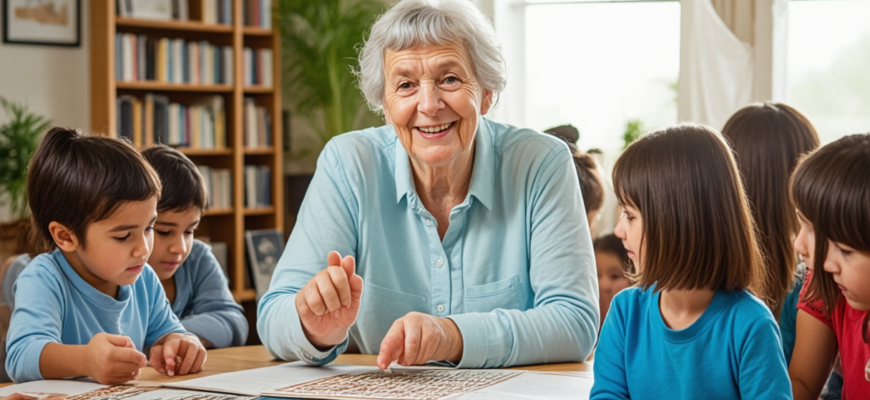
Entering the golden years of life does not signify the end of active contribution or personal growth. On the contrary, many seniors find new purpose through teaching and mentoring younger generations. This transition offers unique opportunities to share accumulated wisdom, foster intergenerational understanding, and make a lasting impact on society. In this comprehensive guide, explore the profound significance, benefits, methods, and practical tips for engaging in teaching and mentoring activities after turning 60.
- Why Teaching and Mentoring Matter After 60
- Fostering Intergenerational Knowledge Transfer
- Enhancing Personal Well-being and Purpose
- Strengthening Community and Society
- Benefits of Teaching and Mentoring After 60
- Methods of Teaching and Mentoring for Seniors
- Formal Teaching Opportunities
- Informal Mentorship
- Using Modern Technology for Teaching and Mentoring
- Practical Tips for Successful Teaching and Mentoring
- Identify Personal Strengths and Interests
- Set Clear Goals and Expectations
- Be Open to Continuous Learning
- Develop Effective Communication Skills
- Build Trust and Respect
- Examples of Successful Senior Mentoring Projects
- The Grandparent-Grandchildren Project
- Senior Volunteers in Educational Platforms
- Online Mentoring Initiatives
- Overcoming Challenges in Teaching and Mentoring After 60
- Technological Barriers
- Health and Mobility Concerns
- Self-Doubt and Confidence Issues
- Creating a Personal Action Plan for Teaching and Mentoring
- Step 1: Self-Assessment
- Step 2: Set Objectives
- Step 3: Seek Opportunities
- Step 4: Prepare Resources
- Step 5: Engage and Reflect
- Embracing the Role of a Mentor at Any Age
Why Teaching and Mentoring Matter After 60
Fostering Intergenerational Knowledge Transfer
Experience accumulated over decades is a precious resource. Seniors possess a wealth of knowledge—whether professional expertise, life lessons, cultural insights, or survival skills—that can significantly benefit younger individuals. Teaching and mentoring serve as channels to transfer this knowledge, ensuring valuable lessons are preserved and adapted for evolving society.
Enhancing Personal Well-being and Purpose
Engagement in educational or mentorship activities is linked to improved mental and emotional health in older adults. Contributing to other people’s growth fosters a sense of purpose, combats loneliness, and promotes sustained cognitive activity. Many find that sharing their expertise revitalizes their outlook on life.
Strengthening Community and Society
Mentoring builds resilient communities by bridging generational gaps, reducing social isolation, and fostering mutual understanding. Senior mentors can influence positive societal change, demonstrating that age is no barrier to making a difference.
Benefits of Teaching and Mentoring After 60
| Benefit | Description |
|---|---|
| Personal Fulfillment | Sharing knowledge and skills brings a deep sense of satisfaction and achievement. |
| Intellectual Engagement | Continual learning and teaching stimulate cognitive functions, potentially delaying cognitive decline. |
| Social Connection | Building new relationships and strengthening existing ones through social interaction. |
| Community Impact | Contributing to local communities and society at large, fostering a legacy of wisdom and guidance. |
| Skill Development | Acquiring new pedagogical, communication, and leadership skills. |
Methods of Teaching and Mentoring for Seniors
Formal Teaching Opportunities
- Adult Education Classes: Enroll in or facilitate workshops, seminars, or evening classes in subjects of expertise or passion.
- Volunteer Teaching: Offer instruction at community centers, libraries, or non-profit organizations.
- Online Courses and Webinars: Utilize digital platforms to reach a broader audience beyond geographic limitations.
Informal Mentorship
- One-on-One Mentoring: Provide personalized guidance to youth or peers in professional or personal development.
- Family Legacy Projects: Share family history, cultural traditions, or life skills with grandchildren or relatives.
- Community Projects: Engage in local initiatives that benefit youth, such as youth clubs, environmental programs, or arts projects.
Using Modern Technology for Teaching and Mentoring
Incorporating technology expands reach and effectiveness:
- Video conferencing tools (e.g., Zoom, Skype)
- Educational platforms (e.g., Coursera, Udemy)
- Social media for community building and sharing knowledge
- Blogging or creating video content to document and share expertise
Practical Tips for Successful Teaching and Mentoring
Identify Personal Strengths and Interests
Assess what skills, hobbies, or expertise can be shared confidently. Passion enhances effectiveness and enjoyment for both mentor and mentee.
Set Clear Goals and Expectations
Define what the mentorship or teaching relationship aims to achieve. Establish realistic expectations regarding time commitment, topics, and communication methods.
Be Open to Continuous Learning
Stay updated with new teaching strategies, technological tools, or evolving subject matter to remain relevant and engaging.
Develop Effective Communication Skills
Active listening, patience, and clarity are essential. Adapt communication style based on the age, background, and learning preferences of mentees.
Build Trust and Respect
Foster an environment of mutual respect, understanding, and confidentiality. Recognize the value of mentees’ perspectives and experiences.
Examples of Successful Senior Mentoring Projects
The Grandparent-Grandchildren Project
Grandparents sharing stories, skills, or crafts with grandchildren instills family bonds and cultural heritage. Many communities organize intergenerational events celebrating this tradition.
Senior Volunteers in Educational Platforms
Organizations like “Retired Teachers” or “MentorConnect” connect seniors with students or young professionals seeking guidance in career development, entrepreneurship, or life skills.
Online Mentoring Initiatives
Platforms such as LinkedIn or dedicated mentorship sites enable seniors to mentor across geographical boundaries, providing mentorship in professional fields such as arts, science, or business.
Overcoming Challenges in Teaching and Mentoring After 60
Technological Barriers
A common obstacle is unfamiliarity with digital tools. Overcoming this involves attending basic tech courses and practical training sessions. Many community centers and libraries offer such courses tailored for seniors.
Health and Mobility Concerns
Physical limitations may restrict participation in certain activities. Adapting methods to include virtual mentoring or shorter, manageable sessions helps maintain engagement.
Self-Doubt and Confidence Issues
Building self-confidence is essential. Starting with small, achievable goals and seeking support from peer groups or mentors can boost confidence.
Creating a Personal Action Plan for Teaching and Mentoring
Step 1: Self-Assessment
- Identify skills, hobbies, and experiences to share.
- Determine preferred teaching methods and platforms.
Step 2: Set Objectives
- Define clear goals such as “Mentor a youth in computer skills” or “Teach knitting classes at the community center.”
- Establish measurable outcomes and timelines.
Step 3: Seek Opportunities
- Research local organizations, online platforms, or community needs.
- Approach relevant entities with a proposal or interest expression.
Step 4: Prepare Resources
- Create lesson plans, instructional materials, or guiding frameworks.
- Gather necessary tools, such as educational technology or physical supplies.
Step 5: Engage and Reflect
- Start mentoring or teaching activities with enthusiasm and openness.
- Seek feedback and reflect on experiences to continually improve.
Embracing the Role of a Mentor at Any Age
Age is no barrier to making a meaningful difference in others’ lives. Teaching and mentoring after 60 shift the narrative from retirement and withdrawal to active contribution and legacy-building. By sharing wisdom, skills, and life experiences, seniors can inspire, educate, and empower future generations, enriching their own lives in the process. Embracing this role fosters a vibrant, interconnected community where learning and growth transcend chronological age, proving that the journey of lifelong contribution continues well beyond the traditional retirement age.
Похожие записи:
 Maximizing Joy and Growth After 60: How Participating in Gardening Clubs and Plant Swaps Enriches Your Life
  Embracing the Past: How Seniors Can Actively Participate in Local History and Heritage Projects
  Unlocking New Horizons: How to Successfully Develop a YouTube Channel or Podcast After 60
  Creating a Personal Blog or Online Portfolio: Unlocking New Opportunities in Life After 60
  Smart Strategies for Protecting Your Assets After 60: Secure Your Financial Future
  Retirement Planning for Self-Employed Seniors: Ensuring a Comfortable Future After 60
  The Transformative Power of Volunteering: Enhancing Senior Mental Health
  Embracing Knowledge and Connection: Joining Book Clubs and Literary Discussions After 60
  The Importance of Dental Health After 60: Ensuring a Bright and Healthy Future
  Mastering the Art of Collecting: A Comprehensive Guide to Building Your Stamp, Coin, or Art Collection After 60
  Building a Legacy for Your Loved Ones: A Comprehensive Guide to Securing Your Life After 60
  Unlocking Creativity After 60: The Benefits and Guide to Joining Art Classes and Workshops
  Building Bridges: How to Foster Meaningful Intergenerational Relationships After 60
  Exploring the Joy of Bird Watching Adventures After 60
  Embracing Creativity After 60: How Taking Up Photography Can Transform Your Life
  Taking Up Photography as a Creative Outlet After 60: A Guide to Enriching Life Through the Lens