
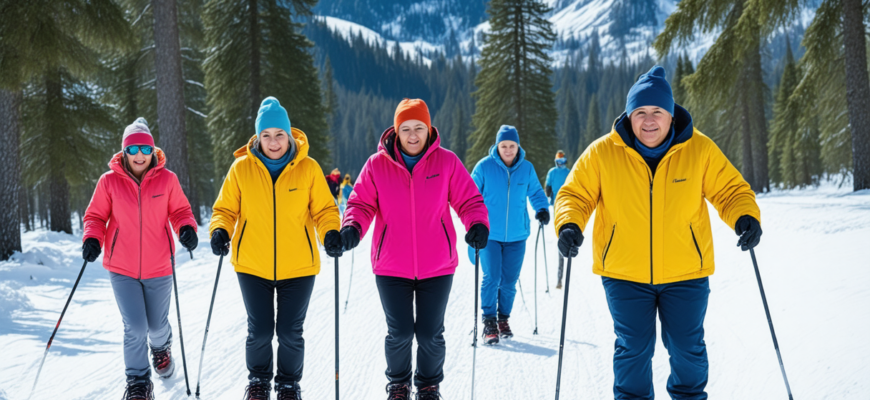
Winter months can be a magical time for those embracing an active lifestyle after 60. Far from being a period of slowdown, this season offers unique opportunities for outdoor activities that promote health, social interaction, and a sense of adventure. Among these activities, cross-country skiing and snowshoeing stand out as excellent options for maintaining physical fitness, exploring nature, and enjoying the winter landscape. This comprehensive guide explores everything you need to know about these winter pursuits, their benefits, essential gear, safety tips, and inspiring ideas for unforgettable adventures in your golden years.
- Why Choose Cross-Country Skiing and Snowshoeing After 60?
- Understanding Cross-Country Skiing and Snowshoeing
- What Is Cross-Country Skiing?
- What Are Snowshoes?
- Equipment and Gear
- Essential Gear for Cross-Country Skiing
- Essential Gear for Snowshoeing
- Getting Started: Tips for Beginners
- Choosing the Right Location
- Taking Lessons or Guided Tours
- Starting Slow and Building Up
- Safety Precautions
- Health and Physical Benefits
- Physical Advantages
- Mental and Emotional Benefits
- Popular Destinations for Winter Adventures
- Top Spots for Cross-Country Skiing
- Prime Locations for Snowshoeing
- Inspiring Stories: Real-Life Snowy Adventures for Seniors
- Embrace Winter with Confidence and Joy
- Additional Resources and Tips
- Final Thoughts
Why Choose Cross-Country Skiing and Snowshoeing After 60?
Staying active is crucial for maintaining optimal health and well-being, especially during later years. Engaging in outdoor sports like cross-country skiing and snowshoeing offers several compelling benefits:
- Cardiovascular Health: These activities provide excellent aerobic exercise, strengthening the heart and lungs.
- Low-Impact Exercise: Unlike high-impact sports, they are gentle on joints, making them ideal for seniors.
- Balance and Coordination: Skiing and snowshoeing help enhance stability and proprioception.
- Mental Well-being: Spending time in nature reduces stress, boosts mood, and invigorates the mind.
- Social Engagement: Participating with friends or joining clubs fosters community and combats loneliness.
Understanding Cross-Country Skiing and Snowshoeing
What Is Cross-Country Skiing?
Cross-country skiing, also known as nordic skiing, involves gliding across snow-covered terrains on lightweight skis using poles for propulsion. It is one of the most effective full-body workouts, engaging the arms, legs, core, and even the back muscles. There are two main styles:
- Classical Skiing: Movement occurs in parallel tracks, mimicking walking or running.
- Skate Skiing: A faster technique where skiers push off diagonally from each side, similar to ice skating.
What Are Snowshoes?
Snowshoeing involves walking over snow with specially designed footwear that distributes weight evenly, preventing sinking. Snowshoes attach to sturdy boots and are used on various terrains, from groomed trails to backcountry snow-filled landscapes. This activity is accessible for nearly everyone and requires minimal technical skill or equipment.
Equipment and Gear
Essential Gear for Cross-Country Skiing
| Item | Description | Recommendations |
|---|---|---|
| Ski Sets | Includes skis, boots, and bindings designed for nordic skiing. | Choose lightweight, adjustable skis suited to your terrain and weight. |
| Poles | Help with balance and propulsion. | Opt for adjustable poles with ergonomic grips. |
| Clothing | Layered clothing for warmth and ventilation. | Base layer (thermal), insulating layer, waterproof outer layer. |
| Accessories | Gloves, hat, sunglasses or goggles. | Dress appropriately for the weather, protect eyes from glare. |
Essential Gear for Snowshoeing
| Item | Description | Recommendations |
|---|---|---|
| Snowshoes | Vary in size and design based on terrain and weight. | Select snowshoes with good traction, suitable for your weight and trail conditions. |
| Boots | Insulated and waterproof to keep feet warm and dry. | Ensure they fit comfortably with room for thick socks. |
| Clothing | Wicking base layer, insulating mid-layer, windproof/waterproof shell. | Dress in layers to adjust according to weather changes. |
| Additional Accessories | Trekking poles, hat, gloves, sunglasses. | Poles aid stability on uneven terrain. |
Getting Started: Tips for Beginners
Choosing the Right Location
Start with well-maintained trails suitable for beginners. Many national parks, forest preserves, and dedicated winter sports centers offer groomed routes specifically designed for novice skiers and snowshoers. Research local options and select trails that match your fitness level and familiarity with winter sports.
Taking Lessons or Guided Tours
Although these activities are accessible, beginner lessons can greatly enhance technique, safety, and confidence. Many sports centers and outdoor clubs offer introductory classes that cover proper gear use, techniques, and safety measures.
Starting Slow and Building Up
Initially, keep sessions short—around 30 to 60 minutes—and gradually increase duration and intensity as stamina improves. Regular activity helps develop technique and endurance, ensuring enjoyable experiences and health benefits.
Safety Precautions
- Dress Appropriately: Always wear layered clothing suitable for cold weather. Remember to protect extremities with hats, gloves, and thermal socks.
- Check Weather Conditions: Avoid outdoor activities in harsh weather, heavy snowfall, or storms.
- Share Your Plans: Inform someone about your route and estimated return time.
- Stay on Marked Trails: Venturing off-trail can lead to dangerous terrain or getting lost.
- Carry Emergency Supplies: Include a mobile phone, small first aid kit, water, and energy snacks.
Health and Physical Benefits
Physical Advantages
Regular engagement in cross-country skiing and snowshoeing enhances cardiovascular health, improves muscular strength, aids in weight management, and increases flexibility and balance. These activities engage multiple muscle groups, promoting overall fitness without high joint impact.
Mental and Emotional Benefits
Being outdoors in winter provides serene scenery and fresh air, which boost mental clarity and reduce stress. The sense of achievement from mastering new skills or covering challenging trails fosters self-confidence and joy. Additionally, social participation in group excursions enhances emotional well-being and combats feelings of isolation.
Popular Destinations for Winter Adventures
Top Spots for Cross-Country Skiing
- Swedish Lapland: Known for pristine snow and vast wilderness.
- Vermont, USA: Numerous well-maintained trails complemented by scenic views.
- Finnish National Parks: Nordic landscapes coupled with well-equipped trails.
- Canadian Rockies: Breathtaking mountain scenery and challenging terrains.
Prime Locations for Snowshoeing
- Alaska’s Denali National Park: Remote terrains for seasoned snowshoers.
- Japan’s Hokkaido: Dense forests and snowy landscapes.
- European Alps: Popular for both beginner and advanced snowshoeing routes.
- Eastern United States: State parks and dedicated snowshoeing areas.
Inspiring Stories: Real-Life Snowy Adventures for Seniors
Many seniors have discovered new passions and forged lasting friendships through winter sports. For instance, Mrs. Elena, 65, began snowshoeing two years ago and now explores the scenic trails of her local forest reserve weekly. Her story exemplifies how age is not a barrier but an opportunity for renewal and adventure.
Similarly, Mr. Ivan, 70, took up cross-country skiing after retirement. Over time, he improved his technique, participated in local races, and enjoyed social outings that kept him active and engaged. These stories highlight that with proper preparation, winter activities can be safe and highly rewarding for senior enthusiasts.
Embrace Winter with Confidence and Joy
Engaging in cross-country skiing and snowshoeing after 60 opens doors to new experiences, physical vitality, and social connections. The key rests in appropriate preparation, right equipment, gradual progression, and adherence to safety habits. Whether gliding along peaceful snow-covered trails on skis or exploring snowy forests on snowshoes, seniors can find joy, challenge, and health benefits in these winter adventures. Embrace the cold season as a time of opportunity, exploration, and exhilarating outdoor activity—your winter journey awaits!
Additional Resources and Tips
- Join Local Clubs and Groups: Many communities have senior winter sports clubs which organize outings and provide mutual support.
- Invest in Proper Gear: Quality equipment ensures comfort, safety, and efficiency.
- Maintain Physical Fitness Year-Round: Complement winter activities with strength, flexibility, and balance exercises.
- Stay Hydrated and Nourished: Cold weather can mask dehydration; drink water regularly.
- Consult Healthcare Providers: Obtain medical clearance if managing chronic conditions or concerns about fitness levels.
Final Thoughts
Adopting winter sports like cross-country skiing and snowshoeing after 60 is more than just staying active—it’s about enriching life, connecting with nature, and discovering new facets of oneself. With proper planning, the right attitude, and a sense of adventure, the winter months can become a vibrant time filled with exploration, health, and happiness. So lace up your boots, put on your skis, or strap on your snowshoes, and step into the snowy wonderland with confidence and enthusiasm!
Похожие записи:
 Mountain Trekking Adventures for Experienced Seniors: A Guide to Safe and Exciting Exploration After 60
  Cycling Trips for Active Seniors Seeking New Challenges: Unlocking Adventure After 60
  Rock Climbing and Bouldering for Adventurous Seniors: Embrace the Vertical Challenge After 60
  Embrace Adventure: Learning New Water Sports During Your Travels After 60
  Embrace the Thrill: Participating in Adventure Photography During Travel After 60
  Ultimate Guide: How to Start Backpacking After 60 and Embrace an Adventurous Life
  Exploring New Fitness Trends for Seniors: Stay Active and Healthy After 60
  Sailing Vacations for Seasoned Travelers: Embrace the Joy of the Seas After 60
  Unmissable Cultural Immersion Experiences for Mature Explorers: Embrace the World After 60
  Embracing Solo Travel Adventures in Later Years: A Guide for the Over 60s
  The Benefits of Garden Therapy and Outdoor Activities for Seniors: Embracing Life After 60
  The Benefits of Regular Exercise for Seniors: Enhancing Life After 60
  Exploring Remote Villages and Towns Globally: A Guide for Life After 60
  Discover the Best Diving and Snorkeling Hotspots for Mature Travelers: A Complete Guide to Exploring Underwater Paradises After 60
  Farm Stays and Rural Experiences Abroad: A Guide for Life After 60
  Discovering Cultural Festivals Abroad After 60: A Guide to Enriching Your Golden Years