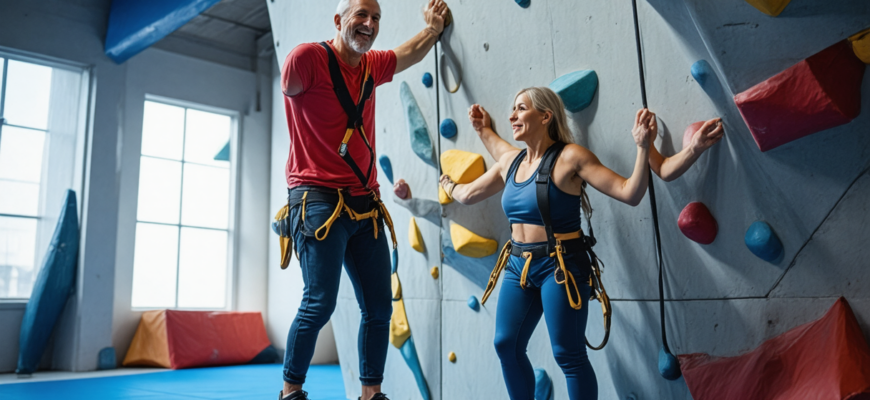
Reaching the age of 60 and beyond does not mean the end of adventure, challenge, or physical activity. In fact, many seniors are discovering that engaging in sports such as rock climbing and bouldering can bring a renewed sense of vitality, independence, and joy. These activities, traditionally associated with younger generations, are increasingly popular among older adults looking to maintain fitness, improve mental sharpness, and add excitement to their lives. This comprehensive guide explores how seniors can safely and effectively participate in rock climbing and bouldering, the benefits of these activities, essential safety tips, suitable training programs, and inspiring success stories of senior climbers.
- Understanding Rock Climbing and Bouldering
- What Is Rock Climbing?
- What Is Bouldering?
- Why Should Seniors Consider Climbing and Bouldering?
- Safety Considerations for Senior Climbers
- Pre-Participation Health Check
- Importance of Proper Equipment
- Technique and Training
- Fall Prevention and Safe Falling Techniques
- Designing a Senior-Friendly Climbing Program
- Initial Assessment and Goal Setting
- Progressive Training Components
- Sample Weekly Schedule
- Equipment and Facilities Suitable for Senior Climbers
- Overcoming Psychological Barriers
- Inspiring Stories of Senior Rock Climbers
- Embracing a New Vertical Adventure After 60
- Additional Resources and Tips
- Final Thoughts
Understanding Rock Climbing and Bouldering
What Is Rock Climbing?
Rock climbing is a sport that involves ascending natural or artificial rock formations using specialized techniques and equipment. It can be performed indoors on climbing walls or outdoors on natural rock faces. The sport demands physical strength, endurance, flexibility, and mental focus. Climbing routes, known as “problems” or “problems,” vary in difficulty and style, offering a range of challenges for practitioners.
What Is Bouldering?
Bouldering is a subset of rock climbing characterized by shorter climbs, usually not more than 4-5 meters in height, without the use of harnesses or ropes. Climbers rely on mats or crash pads to cushion falls. Bouldering focuses on powerful, technical moves, problem-solving, and strength, making it an intense and engaging activity.
Why Should Seniors Consider Climbing and Bouldering?
- Physical Benefits: Enhances muscle strength, improves balance, boosts cardiovascular health, and increases flexibility.
- Mental Stimulation: Promotes problem-solving skills, focus, and mental clarity.
- Social Engagement: Fosters community involvement, new friendships, and shared experiences.
- Sense of Achievement: Overcoming climbing challenges boosts confidence and provides a sense of accomplishment.
- Age-Appropriate Adaptability: Customized equipment, routes, and training programs cater to seniors’ needs.
Safety Considerations for Senior Climbers
Pre-Participation Health Check
Before beginning climbing or bouldering, seniors should consult with healthcare professionals to assess their overall health, particularly focusing on cardiovascular health, joint mobility, bone density, and balance. Certain pre-existing conditions may require adjusted activities or additional precautions.
Importance of Proper Equipment
Correct gear is crucial for safety and comfort:
- Climbing harnesses tailored for comfort and support
- Climbing shoes with good grip and fit
- Chalk bags to improve grip
- Crash pads for bouldering areas
Technique and Training
Learning proper climbing techniques reduces injury risk and improves efficiency. Engaging with qualified instructors or trainers specialized in senior fitness can provide tailored guidance. Focus on gradual progression, building strength and endurance over time.
Fall Prevention and Safe Falling Techniques
Bouldering involves falls, which can be intimidating for seniors. Proper fall techniques, such as controlled landings and knowing how to fall safely onto mats, are essential skills to prevent injuries.
Designing a Senior-Friendly Climbing Program
Initial Assessment and Goal Setting
Assess current fitness levels, flexibility, and experience. Set achievable goals, such as improving upper body strength, enhancing balance, or mastering specific climbing problems.
Progressive Training Components
- Stretching and Warm-up: Dynamic stretches to prepare muscles and joints.
- Strength Training: Focused exercises to improve grip, core strength, and overall muscular endurance.
- Climbing Practice: Indoor sessions on beginner to moderate routes, gradually increasing difficulty.
- Balance and Flexibility: Balance drills and yoga to increase agility and avoid falls.
- Cool-down and Recovery: Gentle stretching and rest periods to prevent soreness.
Sample Weekly Schedule
| Day | Training Focus |
|---|---|
| Monday | Strength training + light climbing |
| Wednesday | Balance exercises + indoor bouldering |
| Friday | Flexibility routines + moderate outdoor or indoor climbing |
| Sunday | Rest or gentle yoga |
Equipment and Facilities Suitable for Senior Climbers
- Accessible Climbing Gyms: Facilities with easy access ramps, wide doorways, and supportive flooring.
- Specialized Equipment: Cushioned mats, ergonomic harnesses, and adjustable climbing holds.
- Outdoor Climbing Spots: Weather-appropriate gear, safety measures, and guided tours.
Overcoming Psychological Barriers
Many seniors may feel apprehensive or fear falling, which can hinder participation. Building confidence through guided sessions, starting with easy routes, and acknowledging progress helps overcome mental barriers. Supportive community environments also foster motivation and a positive experience.
Inspiring Stories of Senior Rock Climbers
Across the world, numerous older adults have taken up rock climbing and bouldering, defying stereotypes and inspiring others. For instance, Jane Smith, aged 68, began climbing after retirement and now competes in senior climbing competitions. Her story emphasizes that age is just a number and that perseverance can lead to remarkable achievements. Such stories motivate many seniors to explore their potential and push their limits.
Embracing a New Vertical Adventure After 60
Engaging in rock climbing and bouldering offers seniors a unique opportunity to stay active, challenge themselves, and enrich their lives. With appropriate precautions, tailored training, and a positive mindset, climbing can become a fulfilling part of the post-60 lifestyle. It promotes not only physical health but also mental well-being and a sense of community, proving that adventure knows no age limit.
Additional Resources and Tips
- Find a Senior-Friendly Climbing Gym: Research local facilities that cater to older adults.
- Join a Climbing Community: Participate in clubs or groups focusing on senior fitness and climbing.
- Start Slow and Listen to Your Body: Respect physical limits and avoid pushing beyond comfort.
- Stay Consistent: Regular practice yields the best health and skill improvements.
- Maintain a Healthy Lifestyle: Balanced diet, hydration, and adequate rest complement your climbing activities.
Final Thoughts
While the idea of scaling walls might seem daunting at first, the rewards are immense. Encouraging seniors to explore rock climbing and bouldering opens new horizons for health, joy, and personal growth. Age is just a new beginning—so why not start climbing today and discover the thrill of reaching new heights?
Похожие записи:
 Ultimate Guide: How to Start Backpacking After 60 and Embrace an Adventurous Life
  Mountain Trekking Adventures for Experienced Seniors: A Guide to Safe and Exciting Exploration After 60
  Embrace Adventure: Learning New Water Sports During Your Travels After 60
  Cycling Trips for Active Seniors Seeking New Challenges: Unlocking Adventure After 60
  Exploring New Fitness Trends for Seniors: Stay Active and Healthy After 60
  Sailing Vacations for Seasoned Travelers: Embrace the Joy of the Seas After 60
  Unmissable Cultural Immersion Experiences for Mature Explorers: Embrace the World After 60
  The Benefits of Regular Exercise for Seniors: Enhancing Life After 60
  The Benefits of Garden Therapy and Outdoor Activities for Seniors: Embracing Life After 60
  Discover the Best Diving and Snorkeling Hotspots for Mature Travelers: A Complete Guide to Exploring Underwater Paradises After 60
  Understanding and Managing Grief and Loss in Later Life: A Guide for Seniors
  Exploring Holistic Approaches to Senior Wellness: A Guide to Thriving After 60
  Planning a World Cruise for Retirees: Ultimate Guide to Exploring the Globe After 60
  Discovering Hidden Gems: How to Explore Off-the-Beaten-Path Destinations Safely After 60
  The Vital Role of Maintaining Independence and Mobility After 60
  Discovering UNESCO World Heritage Sites After 60: A Guide to Enriching Travel in Your Golden Years