
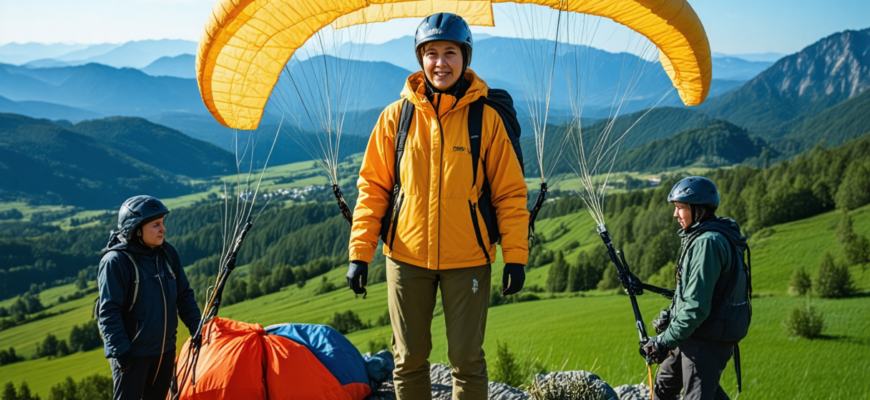
Embarking on new adventure sports can be an exhilarating experience, especially for those over the age of 60 seeking to stay active, engaged, and adventurous. However, many individuals face psychological barriers such as fear of injury, doubt of physical capability, or simply the fear of the unknown. This comprehensive guide aims to explore effective ways to overcome these fears, embrace new challenges, and discover the joy and health benefits that come with trying adventure sports after 60.
- Understanding the Roots of Fear in Older Adults
- Common fears associated with starting adventure sports later in life
- The psychological impact of fear in seniors
- Benefits of Participating in Adventure Sports After 60
- Physical Health Advantages
- Mental and Emotional Benefits
- Social and Community Benefits
- Preparing to Overcome Fear and Try Adventure Sports
- Step 1: Education and Research
- Step 2: Medical Consultation and Health Assessment
- Step 3: Set Realistic Goals
- Step 4: Find Supportive Environments and Instructors
- Step 5: Gradual Exposure and Desensitization
- Practical Strategies to Overcome Fears
- 1. Visualize Success
- 2. Use Breathing and Relaxation Techniques
- 3. Focus on the Experience, Not the Outcome
- 4. Seek Encouragement and Peer Support
- 5. Celebrate Progress
- Popular Adventure Sports Suitable for Seniors and How to Approach Them
- Safety Considerations and Risk Management
- Identify and Mitigate Risks
- Important Safety Tips
- Overcoming Psychological Barriers
- Challenging Negative Self-Talk
- Building Self-Compassion
- Leveraging Past Experiences
- Case Studies: Inspiring Seniors Who Embraced Adventure Sports
- Maria’s Journey into Rock Climbing
- Alexander’s Cycling Triumph
- Embrace the Adventure Beyond Fear
- References & Resources
Understanding the Roots of Fear in Older Adults
Common fears associated with starting adventure sports later in life
- Fear of injury or accidents: Concerns about falls, fractures, or other physical harm.
- Self-doubt about physical ability: Worry that aging limits strength, balance, or stamina.
- Fear of failure or embarrassment: Apprehension about not mastering new skills or looking inexperienced.
- Health-related concerns: Anxiety regarding pre-existing conditions or overall health.
- Fear of social judgment: Worry that peers or family might disapprove or judge.
The psychological impact of fear in seniors
Fear can act as a barrier to growth, leading to avoidance and loss of opportunities for personal development. It can also result in decreased physical health due to inactivity, social isolation, and mental stagnation. Recognizing these fears as natural and manageable is the first step toward overcoming them.
Benefits of Participating in Adventure Sports After 60
Engaging in adventure sports offers numerous physical, mental, and social benefits for seniors, making it a worthwhile pursuit despite initial fears.
Physical Health Advantages
- Improved cardiovascular health
- Enhanced strength, balance, and coordination
- Increased flexibility and joint mobility
- Weight management and metabolic benefits
Mental and Emotional Benefits
- Boosted confidence and self-esteem
- Enhanced cognitive function and memory
- Reduced stress and anxiety
- Sense of achievement and purpose
Social and Community Benefits
- Building new friendships
- Participating in group activities
- Feeling part of a supportive community
- Sharing experiences and stories
Preparing to Overcome Fear and Try Adventure Sports
Step 1: Education and Research
Understanding the sport, its requirements, and safety guidelines is fundamental. Attend workshops, watch instructional videos, and read about others’ experiences. Knowledge reduces uncertainty and builds confidence.
Step 2: Medical Consultation and Health Assessment
Consult with healthcare professionals to evaluate physical readiness. Address any health concerns and discuss necessary precautions. Developing a tailored plan can help mitigate risks.
Step 3: Set Realistic Goals
Establish achievable objectives, such as trying a beginner-level activity or participating with a mentor. Celebrate small victories to build motivation and confidence.
Step 4: Find Supportive Environments and Instructors
Choose reputable centers and qualified instructors experienced in working with seniors. Supportive environments foster encouragement and safety.
Step 5: Gradual Exposure and Desensitization
Start with less intimidating activities or shorter sessions. Gradually increase difficulty as confidence and competence grow.
Practical Strategies to Overcome Fears
1. Visualize Success
Use mental imagery to picture yourself succeeding, which can boost confidence and reduce anxiety. Visualization creates positive associations with the activity.
2. Use Breathing and Relaxation Techniques
Practicing deep breathing, meditation, or progressive muscle relaxation helps manage nervousness and physical tension before attempting an activity.
3. Focus on the Experience, Not the Outcome
Enjoy the process rather than fixating on perfection. Embracing the journey fosters a growth mindset and diminishes fear of failure.
4. Seek Encouragement and Peer Support
Sharing experiences with a group or a buddy provides moral support, accountability, and shared motivation.
5. Celebrate Progress
Acknowledge every step forward, no matter how small. Recognizing progress reinforces positive behavior and builds habit formation.
Popular Adventure Sports Suitable for Seniors and How to Approach Them
| Sport | Description | Safety Tips | Starting Point |
|---|---|---|---|
| Walking and Hiking | Low-impact exercise, enjoyable nature immersion. | Use proper footwear; start on easy trails; carry water. | Join guided walks or local hiking clubs. |
| Kayaking | Gentle water activity for upper body strength and tranquility. | Wear a life jacket; start on calm waters; take lessons. | Enroll in beginner courses at well-equipped centers. |
| Tai Chi or Yoga | Enhances balance, flexibility, and mental clarity. | Choose classes tailored for seniors; use supportive props. | Look for community centers or specialized studios. |
| Cycling (Stationary or Class-Appropriate Bikes) | Cardiovascular workout suitable for various levels. | Ensure proper bike fit; start with short, flat rides. | Begin in safe environments like parks or gyms. |
| Golf | Moderate physical activity with social interaction. | Use comfortable shoes; consider riding instead of walking long distances. | Join local clubs or clinics. |
| Ballroom or Social Dancing | Fun, social activity improving coordination and mood. | Start with beginner classes; listen to your body. | Search for specialized senior dance programs. |
Safety Considerations and Risk Management
Identify and Mitigate Risks
Understanding potential hazards and taking preventative measures is vital. Always prioritize safety to enjoy adventure sports without undue concern.
Important Safety Tips
- Wear appropriate protective gear, such as helmets, pads, or life jackets.
- Ensure the activity environment is safe and suitable for seniors.
- Begin under supervision or with an experienced guide.
- Stay within your physical limits and listen to your body.
- Maintain hydration and nutrition.
- Keep emergency contact information handy.
Overcoming Psychological Barriers
Challenging Negative Self-Talk
Replace thoughts like “I’m too old for this” with empowering affirmations such as “I am capable of trying new things.” Positive self-talk reinforces confidence.
Building Self-Compassion
Be patient with yourself and acknowledge that learning a new skill is a process. Embrace mistakes as part of the journey.
Leveraging Past Experiences
Reflect on past achievements and courage in other areas of life. Recognizing resilience can motivate you to face new challenges.
Case Studies: Inspiring Seniors Who Embraced Adventure Sports
Maria’s Journey into Rock Climbing
At age 65, Maria decided to try indoor rock climbing. She started with beginner classes, focusing on safety, and gradually increased her confidence. Today, she regularly climbs with a supportive group, feeling stronger and more energized than ever.
Alexander’s Cycling Triumph
After retiring, Alexander took up cycling. Initially wary, he enrolled in a seniors’ cycling club, which provided guidance and camaraderie. His stamina and joy for exploration grew, leading him on longer rides and scenic tours.
Embrace the Adventure Beyond Fear
The journey to trying new adventure sports after 60 is not solely about physical activity; it encompasses personal growth, mental resilience, and social connection. Recognizing and addressing fears with education, support, and gradual exposure enables seniors to unlock a world of exciting possibilities. Ultimately, it’s about living life to the fullest, embracing challenges, and discovering that age is just a number when it comes to adventure.
References & Resources
- American Council on Exercise: Safety tips for seniors https://www.acefitness.org
- Senior Sport Guide: Beginner activity ideas https://www.seniorsportguide.com
- Local community centers and clubs for seniors
- Professional trainers specializing in senior fitness and adventure sports
Remember, the first step toward overcoming fear is simply deciding to try. With preparation, support, and a positive mindset, adventure sports can become a rewarding part of life after 60, fostering health, happiness, and a sense of accomplishment.
Похожие записи:
 Embrace Adventure: Learning New Water Sports During Your Travels After 60
  Embracing Wellness and Adventure After 60: The Perfect Blend for Active, Healthy Living
  Embrace the Thrill: Participating in Adventure Photography During Travel After 60
  Cycling Trips for Active Seniors Seeking New Challenges: Unlocking Adventure After 60
  Capturing Memories on Adventure Trips: Essential Tips for Seniors
  Planning a Multi-Generational Adventure Trip: The Ultimate Guide for Life After 60
  Embracing Solo Travel Adventures in Later Years: A Guide for the Over 60s
  Rock Climbing and Bouldering for Adventurous Seniors: Embrace the Vertical Challenge After 60
  Embrace the Winter: Exciting Cross-Country Skiing and Snowshoeing Adventures for Active Seniors
  Embracing a Positive Outlook for Aging Gracefully: Unlocking the Secrets to a Fulfilling Life After 60
  Ultimate Guide: How to Start Backpacking After 60 and Embrace an Adventurous Life
  The Benefits of Garden Therapy and Outdoor Activities for Seniors: Embracing Life After 60
  Mountain Trekking Adventures for Experienced Seniors: A Guide to Safe and Exciting Exploration After 60
  Staying Socially Connected to Enhance Mental Well-being After 60
  Planning a World Cruise for Retirees: Ultimate Guide to Exploring the Globe After 60
  Discovering UNESCO World Heritage Sites After 60: A Guide to Enriching Travel in Your Golden Years