
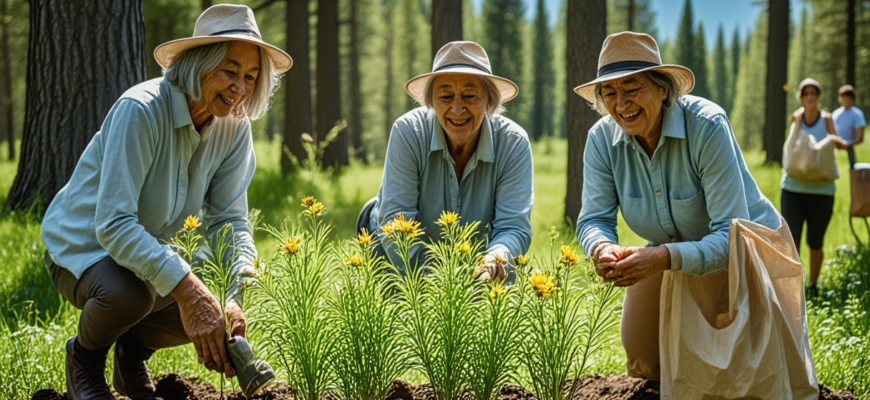
Entering the later stages of life does not mean slowing down or retreating from the world. Instead, it opens up exciting opportunities for new pursuits, passions, and meaningful contributions. One of the most impactful ways to stay active, engaged, and fulfilled after 60 is by participating in environmental and conservation groups. These organizations allow seniors to connect with like-minded individuals, promote sustainability, and make a tangible difference in safeguarding the planet. This comprehensive guide explores the numerous benefits, ways to get involved, and practical tips for seniors eager to dedicate their time and experience to environmental causes.
- The Significance of Environmental Engagement After 60
- Why Consider Joining Conservation Groups?
- Environmental Challenges and the Role of Senior Volunteers
- Benefits of Participating in Environmental and Conservation Groups
- Types of Environmental and Conservation Activities Suitable for Seniors
- Volunteer Opportunities
- Educational and Advocacy Activities
- Creative and Cultural Initiatives
- Practical Steps to Get Started
- Identify Personal Interests and Skills
- Research Local Groups and Initiatives
- Evaluate Participation Options and Commitment Levels
- Ensure Accessibility and Safety
- Connect with Like-minded Individuals
- Addressing Common Concerns and Barriers
- Physical Limitations
- Lack of Experience
- Time Management
- Financial Concerns
- Success Stories: Seniors Making a Difference
- Case Study 1: The Green Guardians
- Case Study 2: The Wildlife Advocates
- Incorporating Environmental Activities into Daily Life
- The Transformative Power of Civic Engagement After 60
- Additional Resources
The Significance of Environmental Engagement After 60
Why Consider Joining Conservation Groups?
As individuals age, they often seek avenues to leave a lasting legacy and maintain a sense of purpose. Environmental and conservation groups are ideal platforms for this because they work toward preserving natural resources, protecting wildlife, and promoting sustainable living. For seniors, these activities provide mental stimulation, social interaction, and a chance to combat feelings of isolation sometimes associated with aging.
Moreover, engaging in environmental causes can boost physical health through outdoor activities like planting trees, cleaning parks, and participating in nature walks. It also fosters emotional well-being, as contributing positively to society enhances self-esteem and overall happiness.
Environmental Challenges and the Role of Senior Volunteers
Global environmental issues such as climate change, deforestation, pollution, and biodiversity loss are escalating concerns that require urgent action. Senior volunteers—armed with experience, wisdom, and dedication—play a crucial role in these efforts by advocating for sustainable practices, educating others, and participating in hands-on activities. Their involvement can also inspire younger generations to prioritize environmental responsibility.
Benefits of Participating in Environmental and Conservation Groups
| Benefit | Description |
|---|---|
| Social Connection | Joining groups fosters new friendships, reduces loneliness, and builds a strong community of like-minded individuals. |
| Physical Activity | Outdoor activities such as planting, trail restoration, or park cleaning promote health and mobility. |
| Mental Stimulation | Learning about ecological issues and participating in problem-solving maintains cognitive vitality. |
| Sense of Purpose | Contributing to environmental preservation provides a fulfilling sense of achievement and legacy. |
| Environmental Impact | Seniors can make a tangible difference—restoring habitats, reducing waste, and promoting awareness. |
| Personal Growth | Engaging in new activities broadens horizons and nurtures lifelong learning. |
Types of Environmental and Conservation Activities Suitable for Seniors
Volunteer Opportunities
- Tree Planting Campaigns: Participating in afforestation projects helps combat deforestation and improves air quality.
- Local Park Cleanups: Removing trash from parks and natural areas preserves biodiversity and enhances community aesthetics.
- Wildlife Conservation: Assisting in wildlife rehabilitation centers, bird watching, or habitat monitoring.
- Community Gardens: Gardening activities that promote sustainable agriculture and provide fresh produce.
Educational and Advocacy Activities
- Environmental Workshops: Educating the public about sustainability, recycling, and conservation techniques.
- Participation in Campaigns: Supporting petitions, protests, or awareness drives on environmental issues.
- Social Media Outreach: Sharing information, success stories, and eco-tips online to reach a wider audience.
Creative and Cultural Initiatives
- Eco-Art Projects: Creating environmentally themed art to raise awareness and inspire action.
- Storytelling and Writing: Documenting environmental changes and sharing experiences through blogs or local publications.
- Organizing Events: Hosting eco-fairs, nature walks, or educational talks.
Practical Steps to Get Started
Identify Personal Interests and Skills
Before choosing an organization or activity, consider personal passions—whether it’s gardening, education, or activism—and existing skills such as leadership, communication, or technical knowledge. Aligning interests with activities increases motivation and satisfaction.
Research Local Groups and Initiatives
Look for reputable environmental organizations and volunteer opportunities in your community. Many groups welcome seniors and actively seek experienced volunteers. Useful resources include:
- Community centers and local government websites
- Environmental NGOs and conservation clubs
- Online volunteer platforms such as VolunteerMatch or Idealist
- Social media groups focused on sustainability
Evaluate Participation Options and Commitment Levels
Options range from occasional activities to regular volunteering. Start with small commitments to gauge comfort and enjoyment, then gradually increase involvement. Flexibility is key to maintaining motivation and preventing burnout.
Ensure Accessibility and Safety
Adjust activities according to physical capabilities, avoiding strenuous tasks if necessary. Use appropriate equipment, wear suitable clothing, and stay hydrated. Many organizations offer accessible opportunities suited for seniors with mobility considerations.
Connect with Like-minded Individuals
Build relationships with fellow volunteers to foster support networks. Many groups organize social events or informal meet-ups, enhancing the overall experience.
Addressing Common Concerns and Barriers
Physical Limitations
Many conservation activities can be adapted to different physical abilities. For instance, tasks like organizing materials, educational outreach, or administrative work can be fulfilling alternatives to physically demanding tasks.
Lack of Experience
Most organizations provide training and orientation sessions. Senior volunteers often bring valuable experience and a strong work ethic, which are highly appreciated.
Time Management
Flexibility allows participation at one’s own pace. Even occasional involvement can lead to meaningful contributions and personal growth.
Financial Concerns
Most volunteer activities are free of charge. However, some activities may require minimal personal expenses, such as transportation or supplies. Many groups provide necessary equipment or reimburse costs.
Success Stories: Seniors Making a Difference
Case Study 1: The Green Guardians
Anne, aged 65, joined a local environmental NGO focusing on urban greening. Her passion for horticulture led her to coordinate community garden projects, resulting in increased green spaces and community engagement. Her efforts inspired young residents and helped raise environmental awareness in her neighborhood.
Case Study 2: The Wildlife Advocates
Vladimir, aged 70, dedicated his retirement to volunteering at a wildlife rescue center. His expertise in photography helped document endangered species and raise awareness through social media. His contributions helped secure donations and support for local conservation initiatives.
Incorporating Environmental Activities into Daily Life
- Home Sustainability: Practice recycling, composting, and water-saving habits.
- Eco-friendly Transportation: Use walking, cycling, or public transit whenever possible.
- Supporting Eco-Friendly Products: Choose sustainable, biodegradable, and locally produced goods.
- Education and Advocacy: Engage friends and family in eco-awareness and collective action.
The Transformative Power of Civic Engagement After 60
Joining environmental and conservation groups offers seniors an enriching pathway to staying active, social, and purposeful. Whether through hands-on activities, advocacy, or creative initiatives, older adults have a unique opportunity to leave a positive mark on their communities and the planet. By embracing these endeavors, life after 60 can become a period of renewal, contribution, and continued growth—proof that age is no barrier to making a meaningful difference in the world.
Additional Resources
- National Association for Environmentally Conscious Aging (NAECA)
- EarthCorps Volunteer Program
- Senior Corps Environmental Initiatives
- Local environmental groups and community centers
Engagement in environmental causes not only benefits the planet but also enriches personal well-being, fostering a sense of community and purpose in the beautiful phase of life after 60. It’s never too late to start making a difference.
Похожие записи:
 Embracing the Past: How Participating in Local Heritage and History Societies Enriches Life After 60
  Empowering Your Voice: The Benefits of Joining Local Political and Advocacy Groups After 60
  Finding Emotional Support Groups for Seniors: A Comprehensive Guide to Embracing Life After 60
  Embracing Connection: Joining Faith-Based Community Activities After 60
  Maximizing Joy and Growth After 60: How Participating in Gardening Clubs and Plant Swaps Enriches Your Life
  Joining Veteran or Senior Sports Groups: A Guide to Active Living After 60
  Embracing Knowledge and Connection: Joining Book Clubs and Literary Discussions After 60
  Attending Support Groups for Chronic Illness Management: A Guide for Those Over 60
  Embracing Adventure: Participating in Senior Travel Clubs and Enriching Life After 60
  Finding Peer Support Groups for Seniors: A Comprehensive Guide to Building Connections After 60
  The Benefits of Garden Therapy and Outdoor Activities for Seniors: Embracing Life After 60
  Embracing the Past: How Seniors Can Actively Participate in Local History and Heritage Projects
  Discover Fulfilling Volunteering Opportunities for Seniors: A Guide to Staying Active and Engaged After 60
  Embracing Creativity After 60: How Taking Up Photography Can Transform Your Life
  Embracing a Positive Outlook for Aging Gracefully: Unlocking the Secrets to a Fulfilling Life After 60
  Embracing Innovation: How Community Workshops Help Seniors Learn New Technologies After 60