
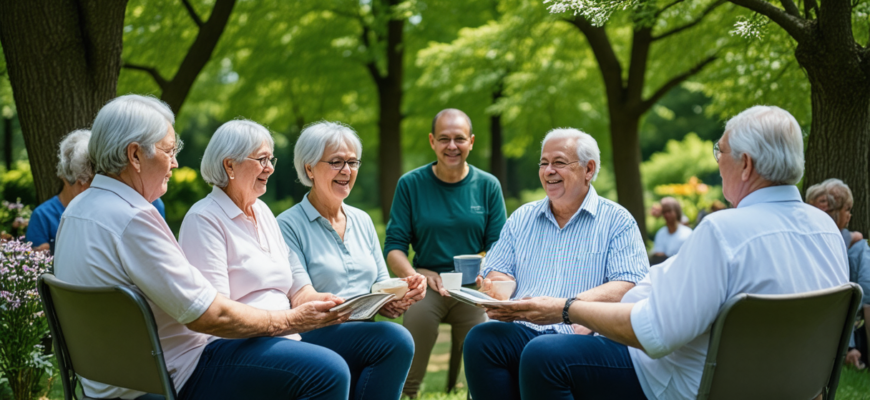
Entering the later stages of life, often after the age of 60, brings both unique challenges and new opportunities. Many seniors experience changes such as retirement, health issues, loss of loved ones, or relocation, which can sometimes lead to feelings of isolation or loneliness. Fortunately, one of the most effective ways to combat these feelings is by engaging with peer support groups. These groups provide a sense of community, understanding, and shared experience that can significantly enhance quality of life. This comprehensive guide explores how seniors can find and benefit from peer support groups, highlighting various types of groups, practical steps to join them, and tips for making the most out of these valuable resources.
- Understanding Peer Support Groups and Their Benefits for Seniors
- What Are Peer Support Groups?
- Why Are They Important for Seniors?
- Types of Peer Support Groups Available for Seniors
- Main Categories of Support Groups
- Health-Related Support Groups
- Condition-Specific Groups
- Interest and Hobby-Based Groups
- Life Transition Support Groups
- Where and How to Find Peer Support Groups for Seniors
- Local Community Centers and Senior Centers
- Healthcare Providers and Clinics
- Religious and Faith-Based Organizations
- Online Resources and Social Networks
- Government and Nonprofit Organizations
- Practical Steps to Join a Peer Support Group
- Assess Personal Needs and Interests
- Gather Information and Make Contact
- Attend a Meeting as a Guest
- Consider Logistics and Accessibility
- Become an Active Member
- Tips for Making the Most of Peer Support Groups
- Be Open and Willing to Share
- Respect Diversity and Different Perspectives
- Set Personal Boundaries
- Maintain Confidentiality
- Expand Your Support Network
- Advantages and Challenges of Peer Support Groups
- Advantages
- Challenges
- Embracing Community for a Fulfilling Second Age
Understanding Peer Support Groups and Their Benefits for Seniors
What Are Peer Support Groups?
Peer support groups are gatherings of individuals who share similar life experiences, health conditions, or interests. These groups are usually informal and facilitated by trained leaders or peers who have lived similar experiences. The core idea is that participants can share their stories, learn from each other, and provide mutual emotional support. Unlike professional therapy, peer support groups focus on mutual aid and personal empowerment.
Why Are They Important for Seniors?
- Combating Loneliness: Connecting with peers provides social interaction that is crucial in old age.
- Sharing Wisdom and Experience: Seniors can exchange practical advice and life lessons.
- Enhanced Mental Health: Participation can reduce depression and anxiety associated with aging.
- Practical Support: Groups can offer guidance on managing health issues, mobility concerns, or adapting to new lifestyles.
- Building a Sense of Purpose: Contributing to a group or supporting others fosters self-worth and fulfillment.
Types of Peer Support Groups Available for Seniors
Main Categories of Support Groups
Support groups are diverse, addressing specific needs or interests of seniors. Here are the primary categories:
Health-Related Support Groups
Designed for seniors managing chronic illnesses, disabilities, or mental health issues.
- Diabetes Support Groups
- Alzheimer’s and Dementia Support Groups
- Depression and Anxiety Support Groups
- Chronic Pain Management Groups
Condition-Specific Groups
Address particular physical or emotional conditions affecting seniors.
- Post-stroke Recovery Groups
- Cancer Survivors Support Groups
- Osteoporosis Support Groups
Interest and Hobby-Based Groups
For social engagement through shared interests such as gardening, arts, or travel.
- Book Clubs
- Art and Craft Groups
- Travel Clubs
- Music and Performing Arts Groups
Life Transition Support Groups
Facilitate adjustment to significant life changes such as retirement or relocation.
- Retirement Planning and Support Groups
- Relocation Assistance Groups
- Bereavement Support Groups
Where and How to Find Peer Support Groups for Seniors
Local Community Centers and Senior Centers
One of the most accessible sources for support groups are local community centers and senior centers. These organizations often host regular meetings or can provide information about nearby groups. Visiting or calling these centers can help seniors find groups tailored to their needs, whether health-related, social, or hobby-focused.
Healthcare Providers and Clinics
Many healthcare professionals are aware of support groups related to specific health conditions. Asking doctors, nurses, or social workers can guide seniors toward reputable groups. Hospitals and clinics may also have partnerships with community organizations that facilitate support groups.
Religious and Faith-Based Organizations
Many churches, mosques, synagogues, and temples organize support groups based on faith or shared spiritual interests. These groups often provide both emotional and spiritual support, fostering a sense of belonging and community.
Online Resources and Social Networks
In the digital age, the internet offers a wealth of opportunities to connect with support groups virtually. Websites like National Council on Aging, SeniorPass, and Meetup facilitate finding local or virtual groups tailored for seniors.
- Online support forums: Communities such as AgingCare or Senior forums
- Social media groups: Facebook, Reddit, and other platforms often host dedicated groups for seniors
- Webinars and virtual meetings: Especially useful during times of health crises or for those with limited mobility
Government and Nonprofit Organizations
Many governments and nonprofits promote senior programs, including peer support initiatives. Contact local agencies or visit their websites to discover available programs and support networks.
Practical Steps to Join a Peer Support Group
Assess Personal Needs and Interests
Before searching for a group, seniors should clarify what they hope to gain: emotional support, health advice, companionship, or a hobby. Defining goals makes the search more targeted and effective.
Gather Information and Make Contact
Once identified potential groups, the next step is reaching out via phone, email, or visiting in person. Many groups welcome inquiries and offer initial meet-and-greet opportunities.
Attend a Meeting as a Guest
It’s often best to attend a few sessions before committing. This approach allows seniors to assess whether the group’s dynamic, timing, and focus meet their expectations.
Consider Logistics and Accessibility
Seniors should verify the logistical aspects: location, transportation options, meeting times, and whether the environment is accessible for mobility challenges. Virtual groups can be ideal for remote or mobility-impaired individuals.
Become an Active Member
Active participation enhances the experience. Sharing stories, volunteering to help organize activities, or simply engaging in conversations fosters authentic connections and lasting friendships.
Tips for Making the Most of Peer Support Groups
Be Open and Willing to Share
Authenticity fosters trust and deeper connections. Sharing personal experiences can encourage others, creating a supportive environment.
Respect Diversity and Different Perspectives
Support groups often consist of people from diverse backgrounds. Embracing different viewpoints enhances understanding and enriches discussions.
Set Personal Boundaries
While openness is encouraged, it’s important to respect one’s comfort level. If certain topics are sensitive, members should feel free to set boundaries.
Maintain Confidentiality
Trust is essential for a supportive atmosphere. Respect for privacy helps create a safe space for sharing personal stories.
Expand Your Support Network
Beyond one group, seniors are encouraged to participate in multiple activities or groups to broaden social connections and interests.
Advantages and Challenges of Peer Support Groups
Advantages
| Benefits | Description |
|---|---|
| Enhanced Social Life | Reduces feelings of loneliness by connecting with like-minded individuals. |
| Emotional Support | Shares emotional burdens and receives empathy from peers. |
| Information Sharing | Provides practical advice on health, wellness, and daily living. |
| Increased Motivation | Encourages healthy behaviors and engagement in activities. |
| Sense of Accomplishment | Contributing and participating boosts self-esteem and purpose. |
Challenges
- Availability: Not all communities have diverse support groups.
- Accessibility: Physical or logistical barriers might limit participation.
- Compatibility: Group dynamics may not suit everyone’s personality or needs.
- Time Commitment: Regular meetings require commitment, which some may find difficult.
Embracing Community for a Fulfilling Second Age
Finding and actively participating in peer support groups can profoundly impact seniors’ lives by promoting social engagement, emotional resilience, and a sense of belonging. Whether through local community centers, health organizations, faith-based groups, or online platforms, there are numerous avenues for seniors to connect, share, and grow. Embracing these opportunities enables older adults to navigate the complexities of aging with confidence, supported by a network of peers who understand and share their experiences. Remember, life after 60 is not just about aging—it is also about thriving, contributing, and building meaningful connections.
Похожие записи:
 Mastering the Art of Collecting: A Comprehensive Guide to Building Your Stamp, Coin, or Art Collection After 60
  Building a Legacy for Your Loved Ones: A Comprehensive Guide to Securing Your Life After 60
  Joining Veteran or Senior Sports Groups: A Guide to Active Living After 60
  Building Resilience and Emotional Strength in Later Years: A Guide to Thriving After 60
  Discover Fulfilling Volunteering Opportunities for Seniors: A Guide to Staying Active and Engaged After 60
  Building Bridges: How to Foster Meaningful Intergenerational Relationships After 60
  Understanding and Managing Grief and Loss in Later Life: A Guide for Seniors
  Generating Passive Income Streams in Retirement: A Comprehensive Guide for Life After 60
  Staying Connected with Loved Ones During Trips: A Complete Guide for Seniors After 60
  Embracing the Past: How Seniors Can Actively Participate in Local History and Heritage Projects
  Mountain Trekking Adventures for Experienced Seniors: A Guide to Safe and Exciting Exploration After 60
  Ensuring Financial Security in Later Years: A Comprehensive Guide to Long-Term Care Planning After 60
  Embrace the Winter: Exciting Cross-Country Skiing and Snowshoeing Adventures for Active Seniors
  The Benefits of Garden Therapy and Outdoor Activities for Seniors: Embracing Life After 60
  Mastering Inheritances and Estate Taxes After 60: A Comprehensive Guide
  Understanding Social Security Benefits After 60: A Comprehensive Guide